New Delhi, March 27 India reaffirmed its unwavering support for Bangladesh's quest for justice against the brutal military crackdown by Pakistan and the targeted killing of millions of innocent Bangladeshi citizens in 1971 on Friday.
New Delhi's remarks came three days after Bangladesh Prime Minister Tarique Rahman described Pakistan's Operation Searchlight in that year against unarmed Bangladeshi people as "one of the most heinous genocides in history".
"We are all aware of the terrible atrocities committed by Pakistan during 'Operation Searchlight' in 1971. The genocide involved the systematic and targeted murder of millions of innocent Bangladeshi people, as well as widespread sexual crimes against women," External Affairs Ministry spokesperson Randhir Jaiswal said.
"It also forced millions to flee the country and seek refuge in India. These atrocities shocked the conscience of the world. However, Pakistan continues to deny its own crimes to this day," he said during his weekly media briefing.
Jaiswal said India supports Bangladesh in its "desire for justice".
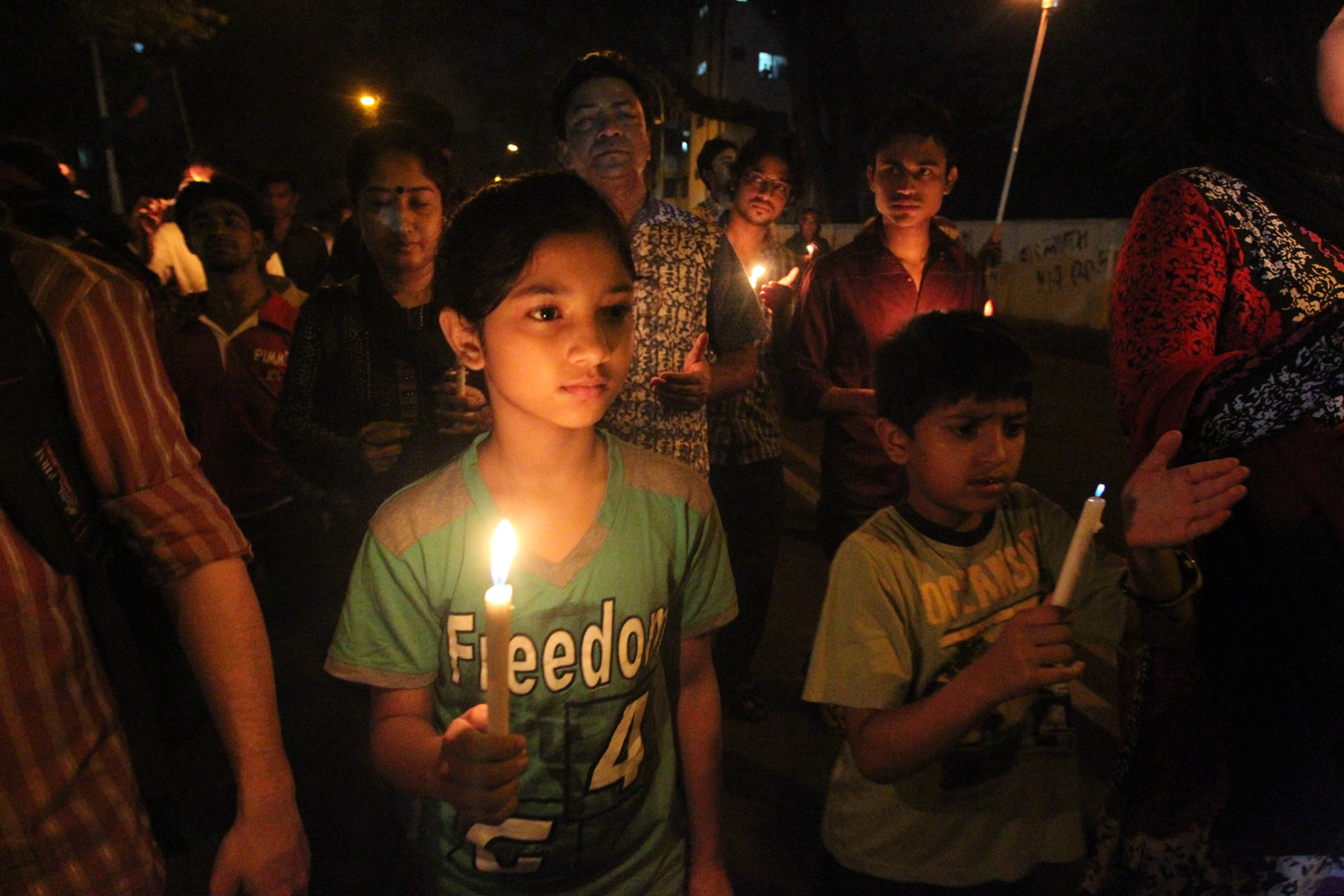
Bangladesh observes March 25 as Genocide Day to commemorate one of the darkest chapters in its history. On this day in 1971, Pakistan launched Operation Searchlight, aimed at crushing the Bangladeshi nationalist movement.
In a social media post a day ahead of Genocide Day, Rahman recalled how the Pakistani military launched the brutal crackdown on innocent people.
"In the history of freedom-loving Bangladesh, March 25, 1971, remains one of the most disgraceful and brutal days. On that dark night, the Pakistani occupation forces carried out one of the most heinous genocides in history against the unarmed people of Bangladesh, under the name 'Operation Searchlight'," he said.
The "genocide" of March 25 was a "pre-planned massacre", he said.
India's victory over Pakistan following the surrender of over 90,000 Pakistani soldiers on December 16, 1971, ended the horrific violence unleashed by the Pakistani army on millions of Bangladeshi people. This victory led to the birth of Bangladesh as an independent country.
In response to a question about Pakistan Army Chief Field Marshal Asim Munir's reported remarks asking Shias to "go to Iran", Jaiswal pointed to the increasing marginalization and oppression of minorities in Pakistan.
"We have seen reports on this issue. Such comments are not isolated incidents, but are part of Pakistan's systematic victimization of minorities, including the Shia minority in that country," he said.
"The shrinking numbers of minorities in Pakistan reflect the decades of fear, marginalization, oppression, and neglect that they have had to endure at the hands of the Pakistani state. The abysmal record of Pakistan when it comes to protecting the human rights of minorities is also well documented," he added.
Asked about External Affairs Minister S Jaishankar's reported "Dalal" comments for Pakistan at an all-party meeting on the West Asia crisis on Wednesday, Jaiswal said it was a "closed door" meeting and he does not have any comments to offer.
"As you are aware, an all-party meeting was held on the ongoing conflict in West Asia. It was a closed door meeting. Therefore, I have no comments," the spokesperson for the external affairs ministry said.
"Regarding Pakistan's longstanding approach to global conflicts and tensions, you may care to listen to criticisms by Defence Minister Khwaja Asif, Member of National Assembly Bilawal Bhutto and former PM Imran Khan," he said.