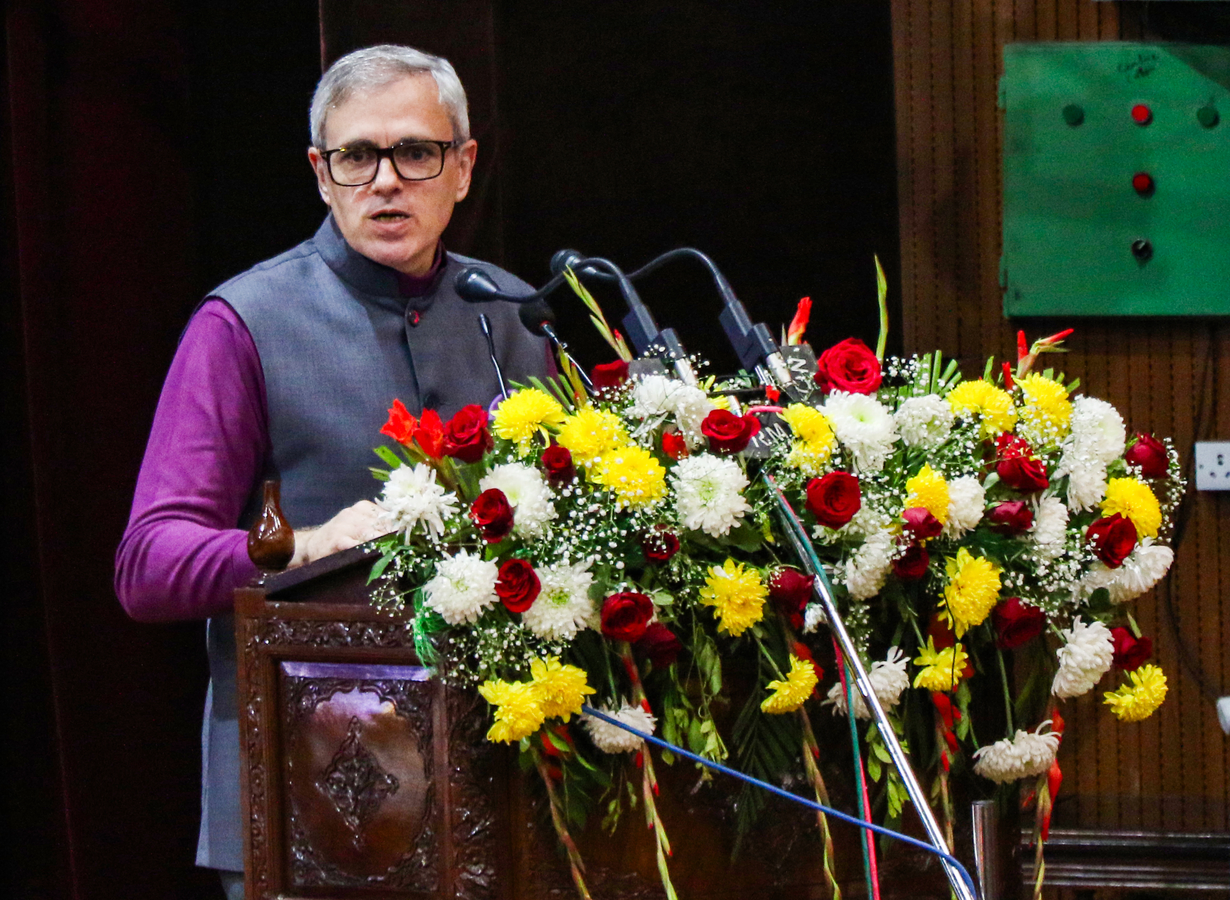
In New Delhi, Mithun Manhas, the BCCI President who had previously served on the Jammu and Kashmir Cricket Association (JKCA) sub-committee, admitted that he felt overwhelmed and found it difficult to articulate the feeling of witnessing his team achieve its first Ranji Trophy title, securing a lead over Karnataka at the KSCA Ground.
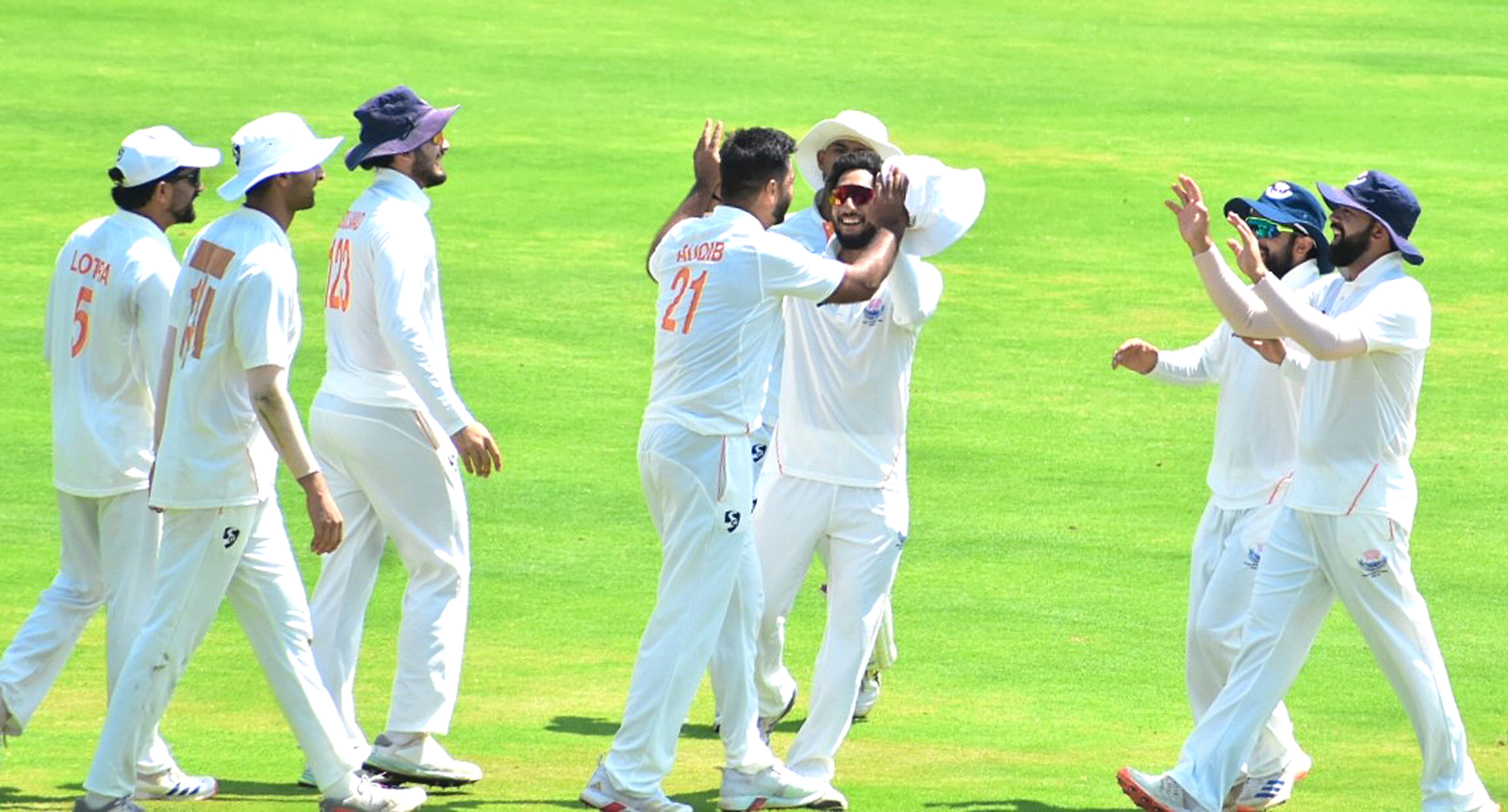
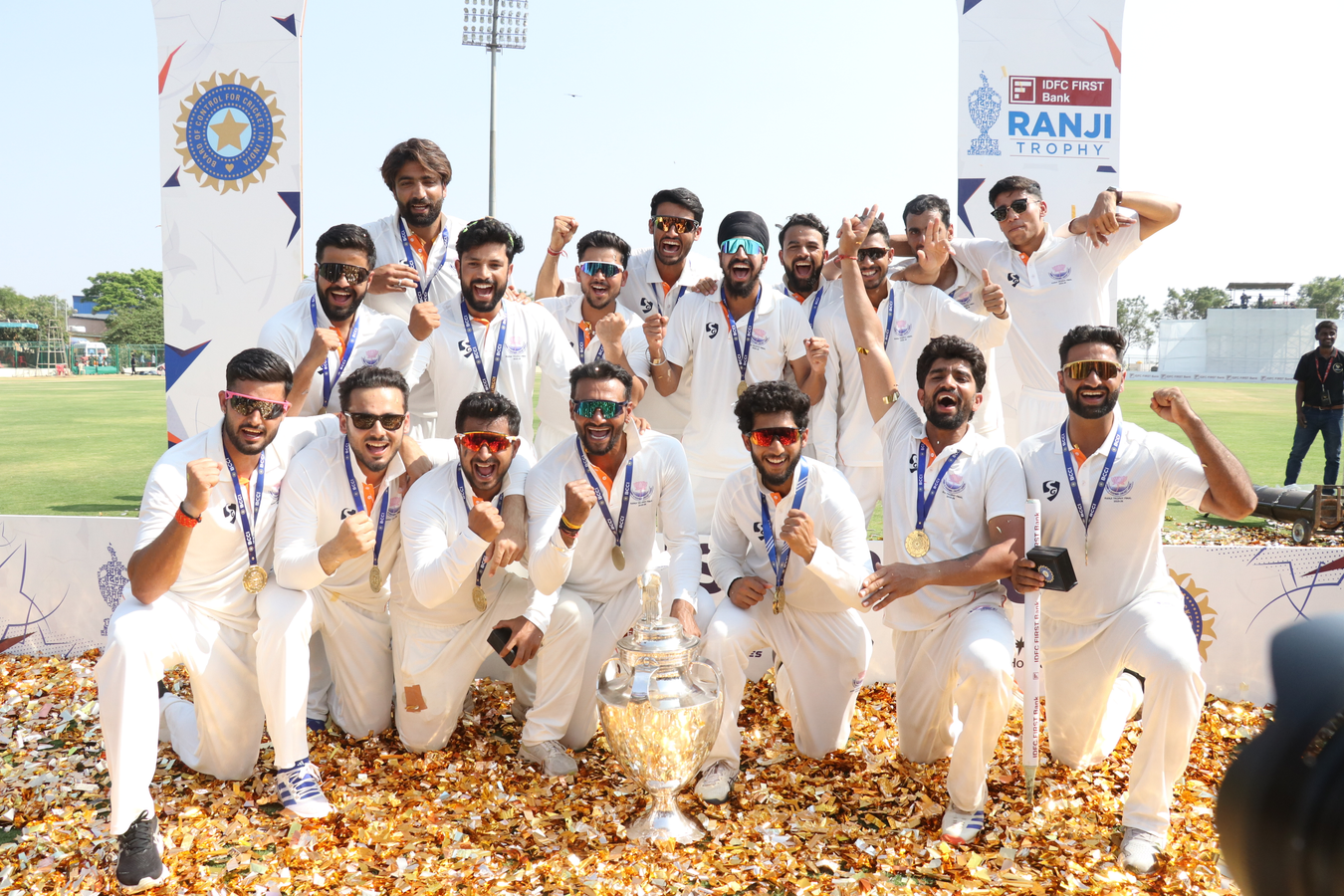
On a sunny Saturday afternoon, the outcome was confirmed when the match ended in a draw, and Jammu & Kashmir were declared the winners of the Ranji Trophy, marking a significant milestone in their cricketing history. The sense of accomplishment was palpable for the team led by Paras Dogra, who had narrowly missed out on the semifinals last year after giving Kerala a one-run advantage in the quarter-finals.
While the players and support staff erupted in jubilation, with cheers and even carrying Manhas on their shoulders, the man himself was still processing the magnitude of the achievement.
"It's hard to put into words. To be honest, I was quite overwhelmed. So, I didn't know what to say or do. I just took some time to absorb it, and then everything – the picture became clear, the players were running around, and it was a dream come true for every cricketer in J&K," Manhas said.
For much of its cricketing history, Jammu & Kashmir had often been overlooked. As a region defined by its conflicts and mountainous terrain, it had only reached the Ranji Trophy quarterfinals three times since 2010 – in 2014, 2020, and the previous season, where a one-run first-innings defeat to Kerala had left many wondering if they would ever have a chance to win the trophy.
However, Saturday's victory emphatically answered that question, with J&K scoring 584 in their first innings – their highest score of the season – without Shubham Khajuria and Vanshaj Sharma, who were ruled out on the eve of the final. Last-minute replacements Qamran Iqbal, Sahil Lotra, and Shubham Pundir seized the opportunity to deliver memorable performances on the biggest stage of their careers.
The tireless Auqib Nabi, who emerged as the Player of the Tournament with 60 wickets, dominated Karnataka's celebrated batting lineup with 5-54. Captain Dogra, the second player after Mumbai's Wasim Jaffer to reach 10,000 Ranji Trophy runs, scored a crucial fifty and finally lifted the trophy after over two decades of domestic competition.
"I think the real turning point was when the BCCI took over, and a sub-committee was formed. It's not possible for anyone to succeed without support, and we found a leader in Jay (Shah), who supported us throughout these four years, and he deserves a lot of credit for this.
"When the sub-committee was formed, it was fantastic because I belong to Jammu & Kashmir and I know what J&K cricket is all about when I was appointed/elected. This was something I always wanted to do, and I wanted to be part of it. Then we had a very able administrator in Brigadier Anil Gupta ji, who had 35 years of administrative experience, and that set the ball rolling.
"Then the CAC was formed, and the selectors were put in place. It was the first time the selectors had contracts. Otherwise, before that, nobody was answerable. You'd be surprised to know that in this day and age, the selectors would get nearly 1,50,000 and 75,000 for junior selectors. So everything that they wanted was answered because contracts were signed, and we started preparing in April.
"We went to all the districts, and the teams used to go out hunting for talent, and that's how this set the ball rolling. Then there were infrastructure problems, and there were other issues. But so again, gradually we started picking up," elaborated Manhas.
What unfolded on the field on Saturday was the result of a transformation that had begun in 2021 and was driven by people like Manhas, who knew J&K cricket not as an outsider's project but as something deeply personal.
"I think the most important thing was to get the right coaches in place and get them to support what they wanted. This is the first time I've seen the selectors and coaches get whatever they wanted. It wasn't that the selectors got something and the coaches were on a different page, but we all got on one page, and everything was well thought out.
"Even the planning that went behind this involved all the teams. Like, teams from different states started coming in, not just for the practice purpose. So it was the process throughout with all the age group teams. We started going out playing a lot of cricket. We started practising with the SG balls that were used in the national tournaments.
"Then we managed to give them a couple of turf balls, so that they get a feel and we got used to playing with those balls, and we started playing well. That was the best thing because the bowlers knew how to operate the ball, and they became comfortable, and so there wasn't a moment when we were not planning or thinking about winning the Ranji trophy and how to get to the next level," added Manhas.
There were naysayers aplenty, but Manhas stated that fighting every day was worth it to see the tagline of ‘Jammu and Kashmir – Ranji Trophy Champions’ become a reality. "We faced a lot of flak for not picking up any eight each from Jammu and Kashmir. But that's the challenge we took on. There was a lot of propaganda against us as a sub-committee.
"But thanks to Jay bhai for this, as we were in constant touch with him. The way he supported us from the vision he had for J&K, I think it all paid off. I think he'll be a happy man today, even though he's ICC chair. But he just called me, and he was congratulating me.
"We all went from BCCI to the groundsmen in J&K, and we even sat with the ground people. You'd be surprised to know that there are no permanent groundsmen. The people who work at the ground level are not even permanent. So there were problems everywhere. But things turned slowly, and the process started working.
"It was like every day was a fight, and I'm sure every player in the team has this feeling too, starting from the U15 team to the men's team winning the Ranji Trophy. I feel very happy and a bit emotional as well, as it took a lot of effort to be here. Hopefully, we will see a lot more from J&K."
Jammu and Kashmir is now the 19th different team to win the Ranji Trophy, which speaks volumes about the game's map expanding in the country. Saturday just redrew it more dramatically than previous instances. Plans to expand cricket facilities in Jammu and Kashmir, along with the prospect of hosting international matches in Jammu and Srinagar, will be a development to keep a close eye on.
But the bigger impact of this seismic win in Indian cricket will be felt when young boys and girls take up the sport in large numbers and view the victorious Ranji Trophy team as their role models.
For now, Manhas, who has watched this team grow over the last five years, winning the Ranji Trophy is only the beginning of what he believes J&K can offer to Indian cricket for a long time to come.
"I think the first ones are always special, and history has been created. It has happened after a span of 67 years. It took a long time to come. But I'm sure there'll be many more occasions, not just in the Ranji Trophy, but also where they'll get the titles in other formats.
"I think with the support of all the people back home, with everybody glued to their TV sets today, they have become the role models. You'll see a lot more kids taking up the game because of them. I'm sure it's not just about playing for the country. They have to think big, and that's what I feel.
"It's about winning games for the country, becoming an athlete, scoring 10,000 runs, taking those 500 wickets. They're going to admire it. It's just the start, and I'm sure there's a lot more J&K can offer to Indian cricket," he added.