Kabul, March 4 – Richard Bennett, the UN Special Rapporteur on the human rights situation in Afghanistan, echoed concerns raised by the United Nations Assistance Mission in Afghanistan (UNAMA) on Wednesday regarding the intensifying clashes along the Afghanistan-Pakistan border, which have resulted in heavy civilian casualties and displacement.
He called on both parties to exercise maximum restraint and adhere to International Human Rights Law (IHRL) and International Humanitarian Law (IHL), stressing that dialogue remains the only sustainable solution.
"Echoing UNAMA's deep concerns about escalating hostilities along the Afghanistan-Pakistan border that have caused significant civilian casualties and displacement. Parties must exercise maximum restraint and fully respect IHRL and IHL. Dialogue is the only sustainable path," Bennett posted on X.
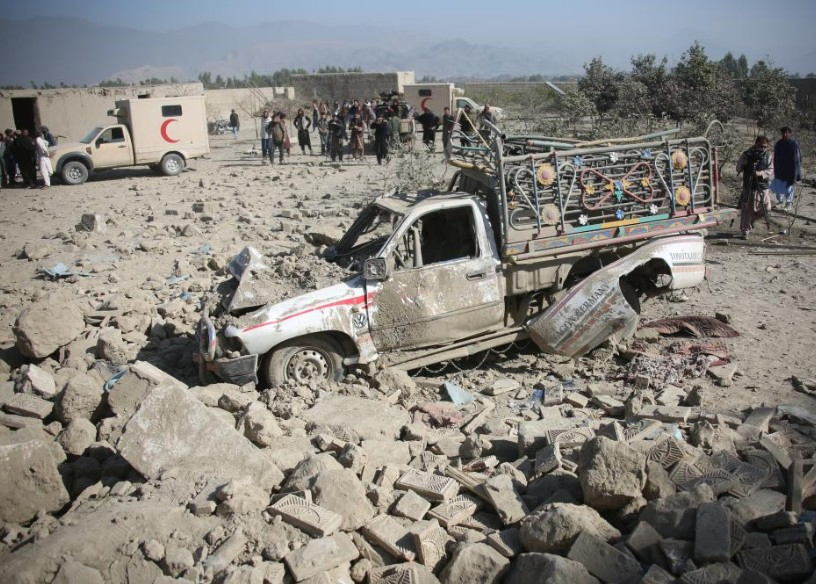
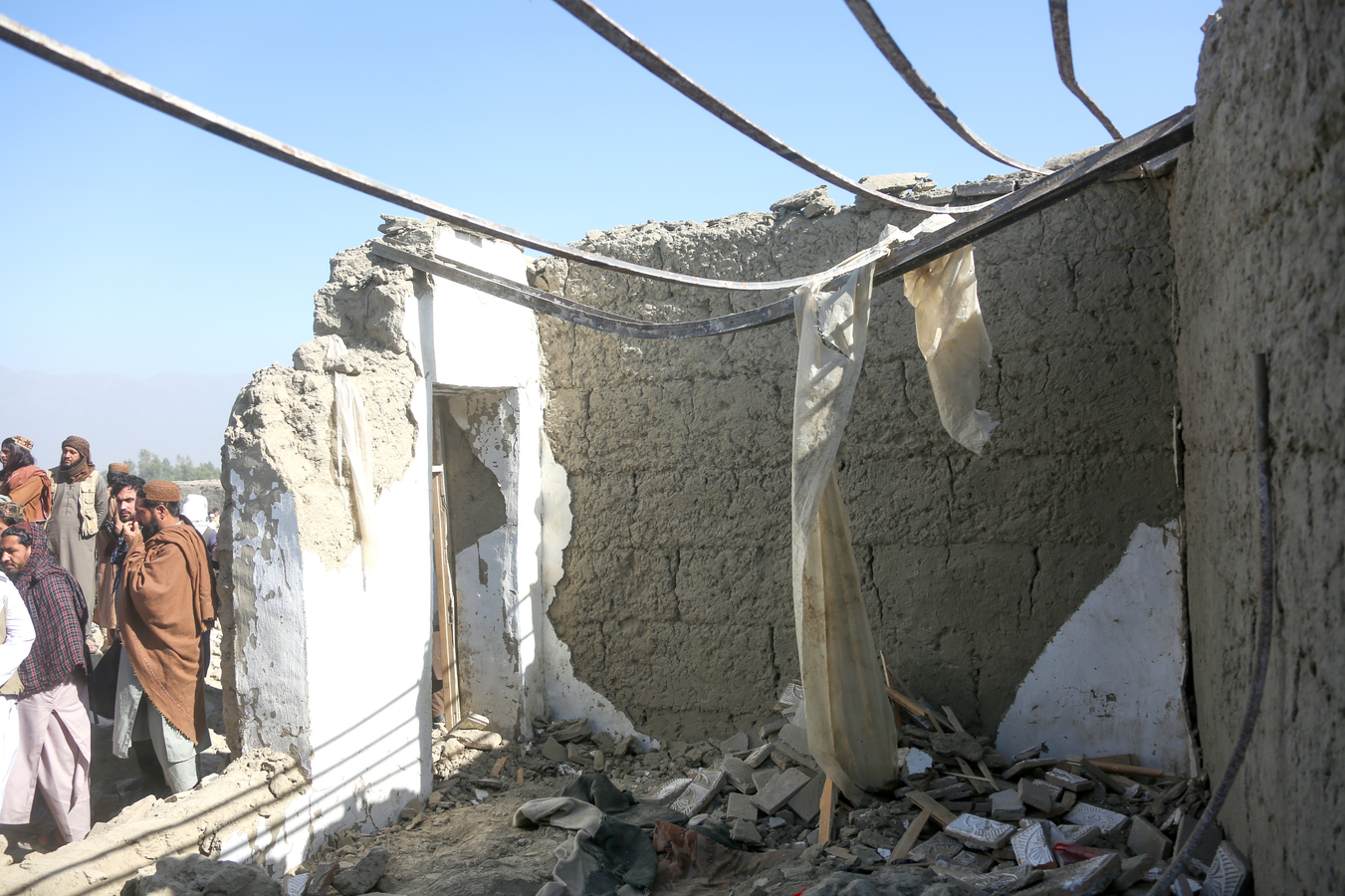
Meanwhile, UNAMA reiterated its call for a halt to cross-border clashes, documenting at least 146 civilian casualties in Afghanistan—42 people killed, and 104 injured, including women and children—between February 26 and March 2.
"The civilian casualties include those caused by indirect fire in cross-border clashes, which impacted residential areas in Paktya, Paktika, Nangarhar, Kunar and Khost provinces in Afghanistan, as well as those caused by airstrikes in Paktika and Nangarhar provinces," it stated.
Citing preliminary data compiled by the United Nations Office for the Coordination of Humanitarian Affairs, UNAMA estimated that around 16,400 households have been displaced across Afghanistan's Paktya, Paktika, Nangarhar, Kunar and Khost provinces following the clashes.
It further noted that hundreds of families still displaced after the August 2025 Kunar earthquake – Afghanistan’s deadliest in nearly 30 years – have been advised to leave the area and return to their place of origin or stay with relatives as a precaution.
"Restrictions on movements in the border area due to the active conflict have reduced the capacity of humanitarian agencies and partners to deliver life-saving and other assistance in the most-affected areas, leaving Afghan returnees from Pakistan particularly vulnerable," UNAMA stated.
The World Food Programme, it said, has paused its activities in the affected areas, with approximately 160,000 people impacted by the suspension of food distributions. Several Afghan provinces affected by the fighting are experiencing critical levels of acute malnutrition.
Stressing that the hostilities have worsened Afghanistan’s already grave humanitarian situation, UNAMA urged all parties to comply with their obligations under international law, including international humanitarian law, and to ensure the protection of civilians.