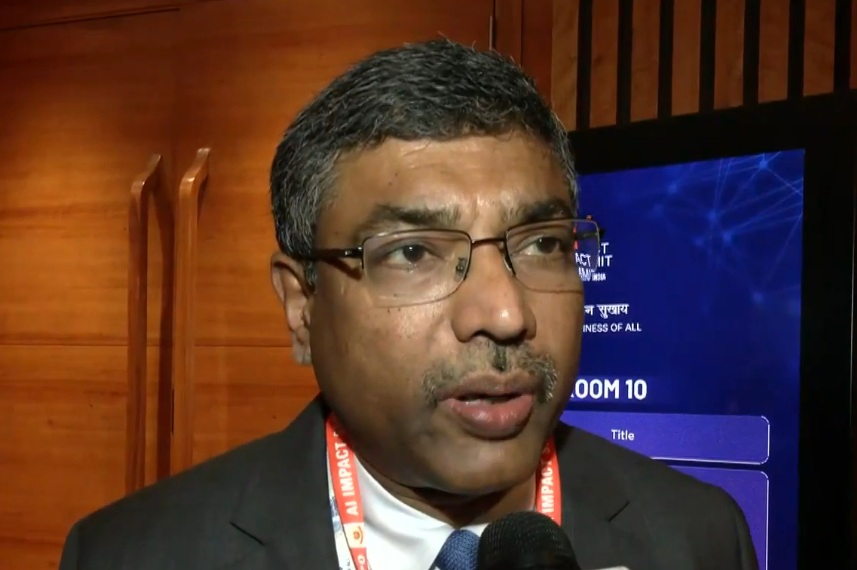
Bengaluru, February 21 Cuba’s Communications Minister Mayra Arevich Marin said on Saturday that the AI Impact Summit 2026 has positioned India as a leading voice of the Global South in advancing a human-centric and equitable artificial intelligence framework.
Addressing the India–Cuba IT Forum launch here after attending the summit in New Delhi on February 19 and 20, Marin described the gathering as a defining moment in global technology governance.
“The AI Impact Summit 2026 has positioned India at the forefront of a human-centric artificial intelligence movement for the Global South,” Marin said.
She added, “Artificial intelligence is extremely important for development, but we must reduce the risks associated with its use. It must be implemented responsibly and equitably,” underlining the need for innovation and regulation to progress together.
Marin said the summit — attended by leaders, ministers and policymakers — reflected an emerging consensus that AI development must be inclusive, risk-aware and socially responsible.
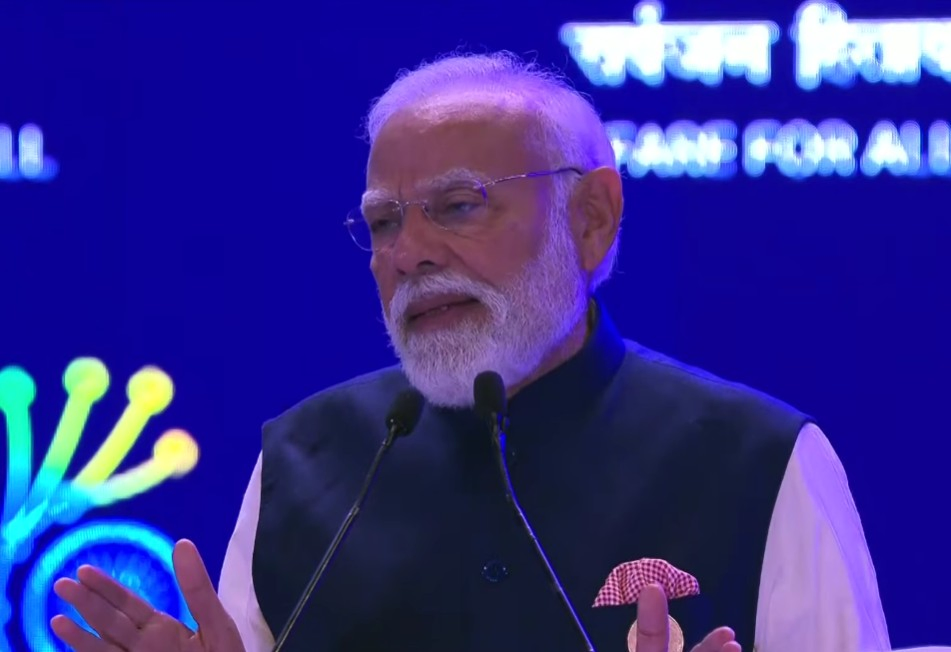
Referring to Prime Minister Narendra Modi’s remarks at the summit, she said the emphasis was on safeguarding societies while ensuring inclusive and sustainable growth.
The Cuban Minister noted that the conference marked the first time a major AI event of such scale had been hosted in the Global South, calling it a significant step towards democratising global technology governance.
According to Marin, three pillars — people, development and planet — emerged from the deliberations, forming the foundation of what she described as a human-centric AI framework.
She said India’s approach demonstrated a willingness to support developing countries in accessing advanced technologies through cooperation and shared growth.
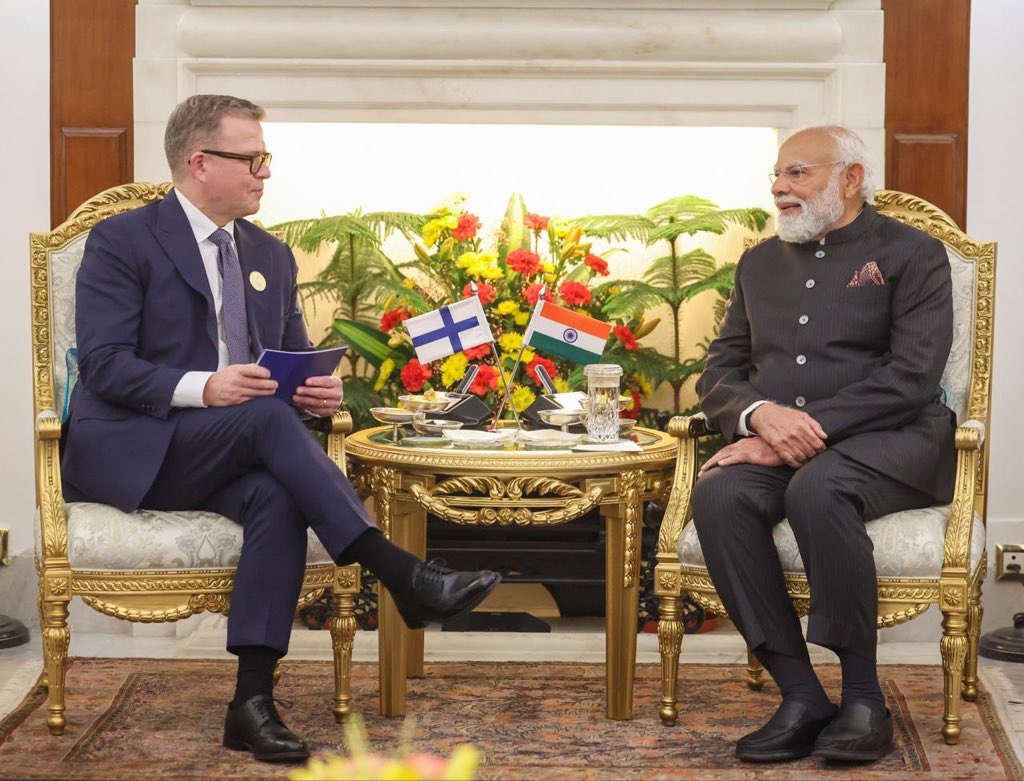
On bilateral engagement, Marin said the Cuban delegation met India’s Minister of State for Communications, Information Technology and Biotechnology to review the 2024 Memorandum of Understanding signed with the Ministry of Electronics and Information Technology.
“Both sides revisited the MoU and discussed steps to operationalise it,” she said.
Cuba’s Ambassador to India, Juan Carlos Marsan Aguilera, said Havana had returned with a high-level delegation to deepen engagement in sectors central to its development strategy.
He said there was broad agreement to strengthen cooperation in IT, telecom and biotechnology.
The delegation visited Bengaluru, India’s leading technology hub, where it met industry leaders and explored partnerships with local firms.
It also held discussions with Karnataka’s Minister for Information Technology and Biotechnology to examine collaboration at the state level.
Recalling the foundations of bilateral ties, the Ambassador noted that diplomatic relations date back to 1959, when Che Guevara visited India soon after the Cuban Revolution.
In 1960, Fidel Castro met India’s first Prime Minister Jawaharlal Nehru in New York, laying the groundwork for cooperation rooted in solidarity and mutual respect, he added.
He said this year marks the 66th anniversary of diplomatic relations and expressed confidence that AI-driven engagements would help expand cooperation beyond politics into trade, finance and innovation ecosystems.
Marin, reflecting on her Bengaluru visit, praised the region’s technological dynamism and the role of young professionals, including women, in driving ICT growth.
Inviting Indian entrepreneurs to collaborate, she said, “This is the first step, but not the only one.”