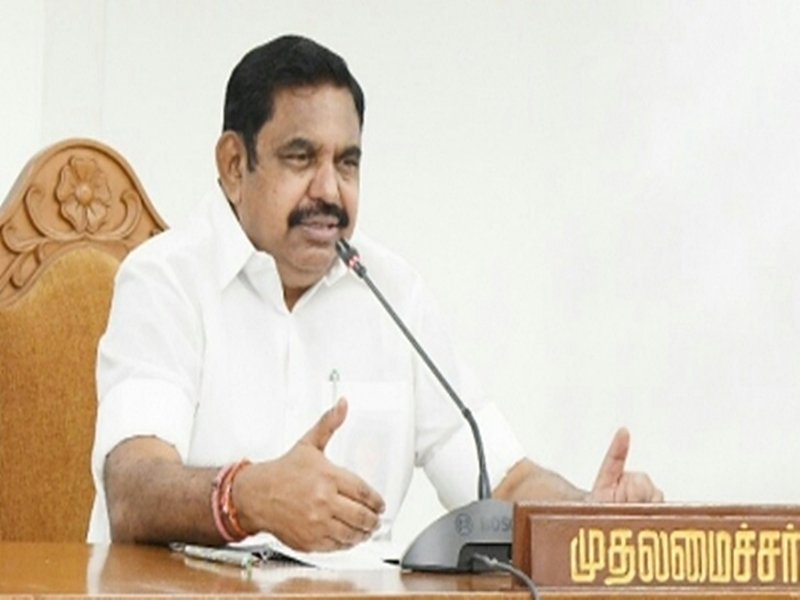
Chennai, March 27 The All India Anna Dravida Munnetra Kazhagam (AIADMK) intensified its preparations for the upcoming Tamil Nadu Assembly elections by releasing its second list of candidates on Friday.
Party General Secretary Edappadi K. Palaniswami announced nominees for 127 constituencies, bringing the total number of declared candidates to 150. This announcement follows the party's first list, which included 23 candidates.
With this latest release, the AIADMK has covered a significant portion of the constituencies it plans to contest, signaling a decisive step forward in its electoral strategy.
A notable feature of the candidate selection is the balance between experience and continuity. Of the 23 candidates announced in the first list, 16 were sitting MLAs, reflecting the party's reliance on established leaders. In the newly released second list, 29 incumbent legislators have been renominated, indicating the leadership's confidence in their performance and local influence.
The AIADMK has also finalized its alliance arrangements, allocating 65 seats to its partners as part of a broader coalition strategy. The party itself is set to contest a total of 169 constituencies in the 234-member Tamil Nadu Assembly, leaving the remaining seats to its allies.
Despite the significant progress, the candidate selection process is not yet complete. The party is yet to announce nominees for 19 constituencies, including several key seats in the Chennai district. These remaining announcements are expected in the coming days and are likely to be closely watched, given the political importance of urban constituencies in shaping electoral outcomes.
The release of the second list comes amid heightened political activity across the state, with major parties accelerating their campaign efforts ahead of the polls. The AIADMK leadership is expected to focus on strengthening grassroots mobilization and consolidating support in both rural and urban segments.
With a majority of candidates now declared, the AIADMK appears to be entering the next phase of its campaign, shifting attention towards voter outreach, alliance coordination, and constituency-level strategies as the election date approaches.