Aizawl, February 27 Mizoram's largest women's organization urged the state government on Friday to withdraw the amendment bill on marriage and inheritance of property, claiming that the legislation is potentially unsafe for Mizo women.
The Mizo Marriage and Inheritance of Property (Amendment) Bill was passed by the state assembly on February 24. A key concern is that while the previous law applied to all Mizo citizens, including those who married outside the community, this amendment excludes Mizo women who marry non-tribal men.
In a statement, the Mizo Hmeichhe Insuihkhawm Pawl (MHIP) described the Bill as "inadequate" and "potentially unsafe" for Mizo women, and called for its review.
Despite their representation on the Mizo Customary Law Committee, the MHIP claimed they were neither consulted nor informed during the drafting of the Bill's specific provisions.
The organization stated that it has rejected the current version and is now looking for an alternative way to provide legal protections and reforms to better safeguard women's rights.
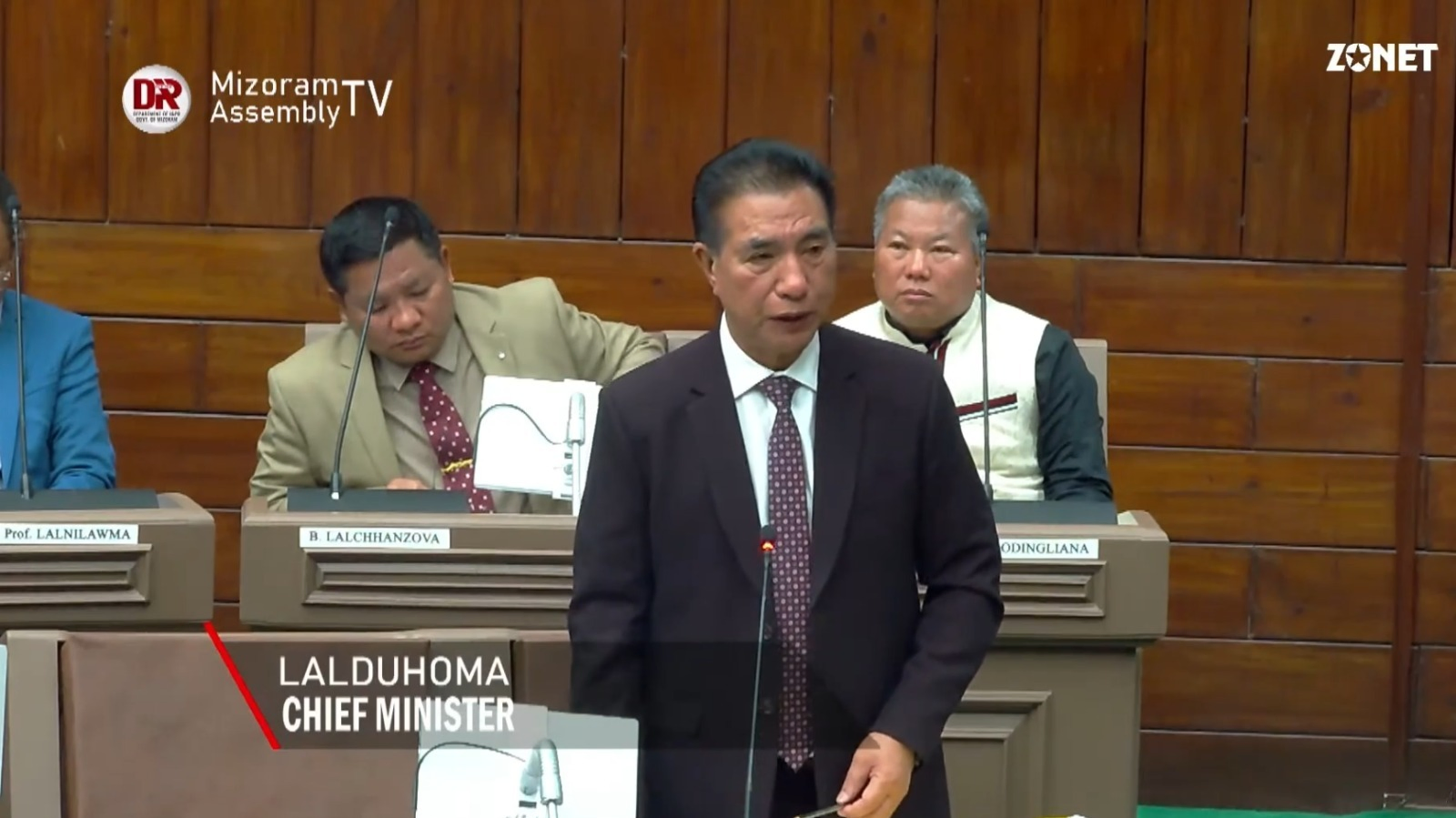
The bill, introduced by Chief Minister Lalduhoma in his capacity as Law Minister, sought to further codify Mizo customary laws.
It aimed to bring transformative changes to traditional practices regarding polygamy, inter-community marriage, and property rights.
The amendment officially bans polygamy and bigamy while seeking to enhance women's property rights upon separation. Lalduhoma had stated that under the new provisions, no individual is permitted to take a second spouse while a previous marriage remains legally valid. Consequently, divorcees intending to remarry must now produce a "divorce certificate" as proof that their previous separation is legally finalised.
However, a major point of contention lies in a clause that says, "If a Mizo woman marries a non-Mizo, she will cease to retain her Mizo identity, and her children will not be eligible to claim Scheduled Tribe (ST) entitlement."
On the other hand, the legislation seeks to strengthen financial security for women within the community. It allows women to claim up to 50 per cent of matrimonial properties and assets jointly acquired during a marriage if they divorce their husbands.
Since its passing, the bill has triggered a polarised debate across social media, drawing intense scrutiny and mixed responses from the public.
While some viewed the amendment as a necessary step to regulate the increasing trend of women marrying outside the tribe, critics argued that it institutionalised gender discrimination.
Opponents of the bill argued that a woman's ethnic identity is an immutable birthright following her parents' bloodline and cannot be revoked through the codification of customary laws.
Others questioned the legal validity of the act, citing Supreme Court rulings which state that a woman's caste is determined by birth and does not change upon marriage, ensuring her children remain eligible for SC or ST status.