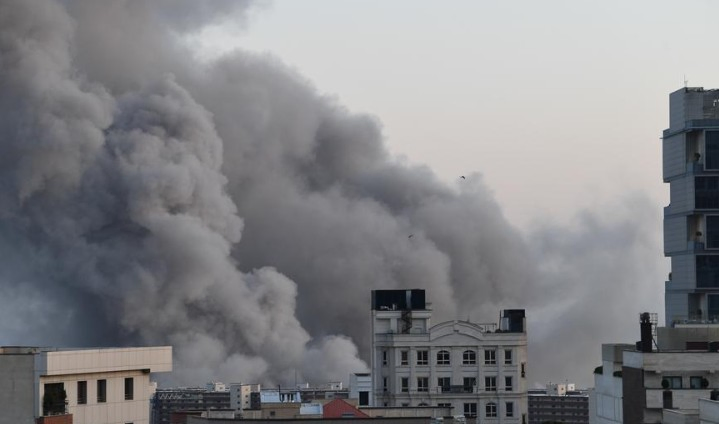
Kuala Lumpur, March 24. Economists have revised their forecast for the ASEAN-6's gross domestic product (GDP) growth to 4.5 per cent in 2026, down from 4.8 per cent, and to 4.7 per cent in 2027, also down from 4.8 per cent, due to the impact of the conflict in West Asia.
The ASEAN-6 countries refer to Indonesia, Singapore, Thailand, Vietnam, the Philippines, and Malaysia.
Maybank Investment Bank stated in a recent report that the downgrades are most significant for the Philippines (-0.4 percentage points), Vietnam (-0.4 percentage points), and Thailand (-0.3 percentage points).
"Rising energy prices and disruptions in commodity supplies will be negative for most ASEAN countries, which are net oil and gas importers," the research firm said.
According to Maybank, Malaysia is the only country in the region that stands out as a net energy exporter, which will help mitigate the impact of the Middle East crisis.
It also stated that a sharp increase in energy prices will worsen the current account balances and weaken the currencies of ASEAN's net energy importers, according to Xinhua news agency.
Maybank has also raised its forecast for ASEAN-6 inflation to 2.7 per cent in 2026 (from 2.2 per cent) and 2.7 per cent in 2027 (from 2.5 per cent), with higher adjustments for Thailand (+0.8 percentage points in 2026), the Philippines (+0.5 percentage points), and Indonesia (+0.5 percentage points).
"The energy price shock has disrupted the monetary easing cycle... Higher energy prices and fuel subsidies will add to the fiscal burdens of Indonesia, Thailand, and Malaysia. Indonesia's 3 per cent fiscal deficit ceiling may be tested if the oil shock is prolonged," it added.
Countries worldwide are taking drastic measures to conserve fuel and ensure continued energy access for their people in the wake of the disruption in oil and gas supplies triggered by the escalation in the Middle East conflict.
The impact of the current disruptions in West Asia is equivalent to the two major oil crises in the 1970s and the 2022 natural gas crisis after Russia invaded Ukraine, all put together, according to a top official of the International Energy Agency (IEA).
Nations across Asia, Africa, and Europe have adopted a range of extraordinary measures, including additional public holidays, work-from-home mandates, fuel rationing, and industrial shutdowns to extend limited fuel reserves.