Gopeshwar, March 1: Avalanches are a frequent occurrence in Uttarakhand’s Badrinath and Mana Valley, particularly between January and March following fresh snowfall. This recurring natural phenomenon has influenced the centuries-old practice of residents in Mana and its adjoining villages to migrate to lower areas during winter.
Environmental activist and Chipko movement leader Chandi Prasad Bhatt highlighted the high vulnerability of Badripuri, apart from the main Badrinath temple, to avalanches. Citing past incidents, he noted that Badripuri faces avalanche-related damages almost every decade.
"In 2014, a major avalanche in the Narayan Parvat area of Badrinath caused heavy damage," said Bhatt, a recipient of the Gandhi Peace Prize. He further emphasized that past avalanches have not only led to property destruction but have also claimed lives in Badripuri, Mana, and neighboring villages.
Pradhan Pitambar Singh Molfa explained that Mana’s tribal community, comprising over 400 families, has long followed the tradition of shifting to lower areas in winter due to extreme cold. Their ancestors, who engaged in sheep rearing and trade with Tibet, had to abandon trade after the 1962 India-China war. The community returns to Mana in April-May to farm and cultivate potatoes and vegetables before relocating again in November.
Bhatt stressed that the entire Badrinath valley, from Devdarshini to the Satopanth glacier, forms a flat bed highly susceptible to avalanches. The valley, flanked by Nar and Narayan mountains, includes Bamni, Nagni, Gajkoti, Indradhara, Pattaya, and Mata Murti. However, he warned that rampant construction is worsening the region’s vulnerability to avalanches.
Authorities continue to monitor the situation closely as they assess the damage and risks associated with future avalanches in the region.
Environmental activist and Chipko movement leader Chandi Prasad Bhatt highlighted the high vulnerability of Badripuri, apart from the main Badrinath temple, to avalanches. Citing past incidents, he noted that Badripuri faces avalanche-related damages almost every decade.
"In 2014, a major avalanche in the Narayan Parvat area of Badrinath caused heavy damage," said Bhatt, a recipient of the Gandhi Peace Prize. He further emphasized that past avalanches have not only led to property destruction but have also claimed lives in Badripuri, Mana, and neighboring villages.
Call for Scientific Measures to Identify High-Risk Zones
Bhatt recalled that scientists from DRDO’s SASA (Snow and Avalanche Study Establishment) in Himachal Pradesh were earlier urged to identify the most avalanche-prone areas and ensure safe shelters for those deployed in high-altitude regions.Friday’s Avalanche Near Mana Village
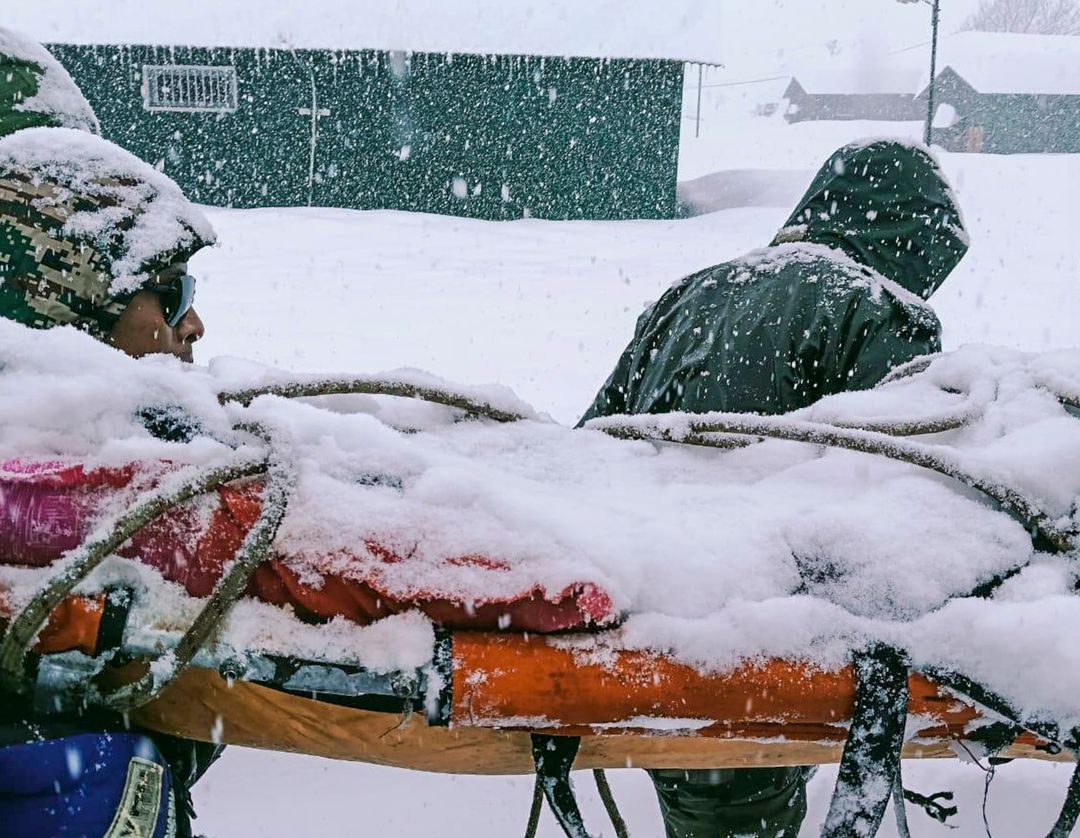
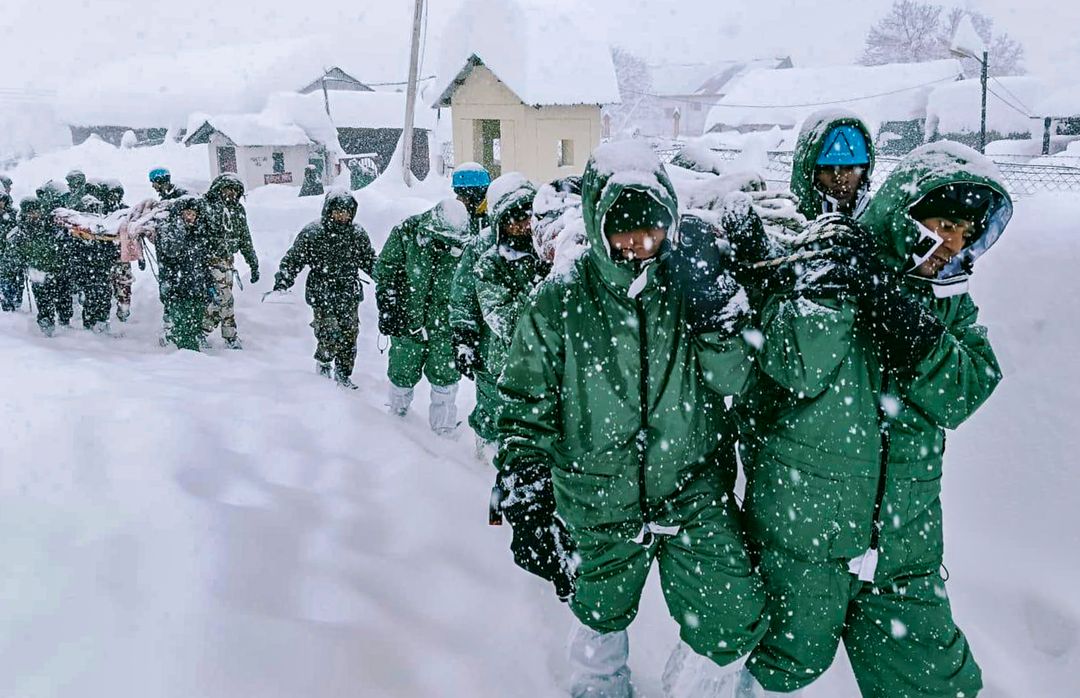
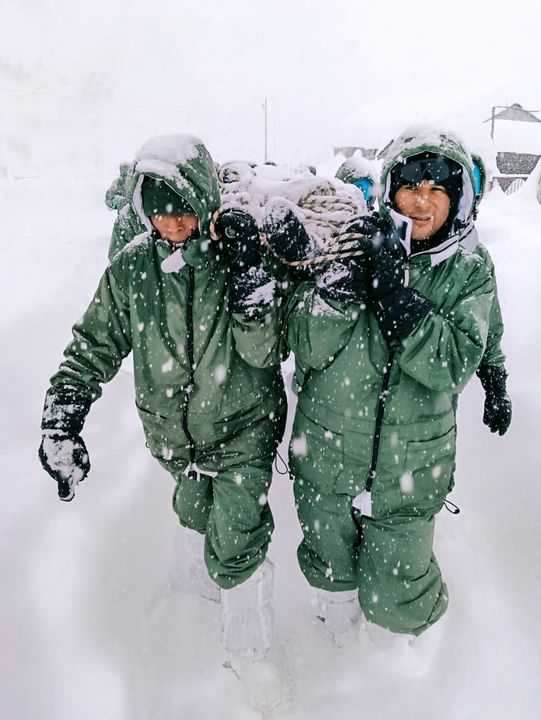
On Friday, an avalanche struck less than a kilometer from Badrinath, near Mana village, the first village on the India-China border. A labourer lost his life, while 49 others were rescued from the snow-covered site that engulfed a Border Roads Organisation (BRO) camp.Pradhan Pitambar Singh Molfa explained that Mana’s tribal community, comprising over 400 families, has long followed the tradition of shifting to lower areas in winter due to extreme cold. Their ancestors, who engaged in sheep rearing and trade with Tibet, had to abandon trade after the 1962 India-China war. The community returns to Mana in April-May to farm and cultivate potatoes and vegetables before relocating again in November.
Historical Avalanche Disasters in Mana
Molfa recalled a devastating avalanche in February 1968, when an Indo-Tibetan Border Police (ITBP) camp near Mana village was struck, killing 18 soldiers.Bhatt stressed that the entire Badrinath valley, from Devdarshini to the Satopanth glacier, forms a flat bed highly susceptible to avalanches. The valley, flanked by Nar and Narayan mountains, includes Bamni, Nagni, Gajkoti, Indradhara, Pattaya, and Mata Murti. However, he warned that rampant construction is worsening the region’s vulnerability to avalanches.
Labourers Trapped in Makeshift Containers
Molfa reported that the labourers affected by Friday’s avalanche were living in container accommodations near the road to Mana Pass. Eight containers had been set up by a contractor, some of which were swept away into the Alaknanda valley due to the avalanche’s impact.Authorities continue to monitor the situation closely as they assess the damage and risks associated with future avalanches in the region.