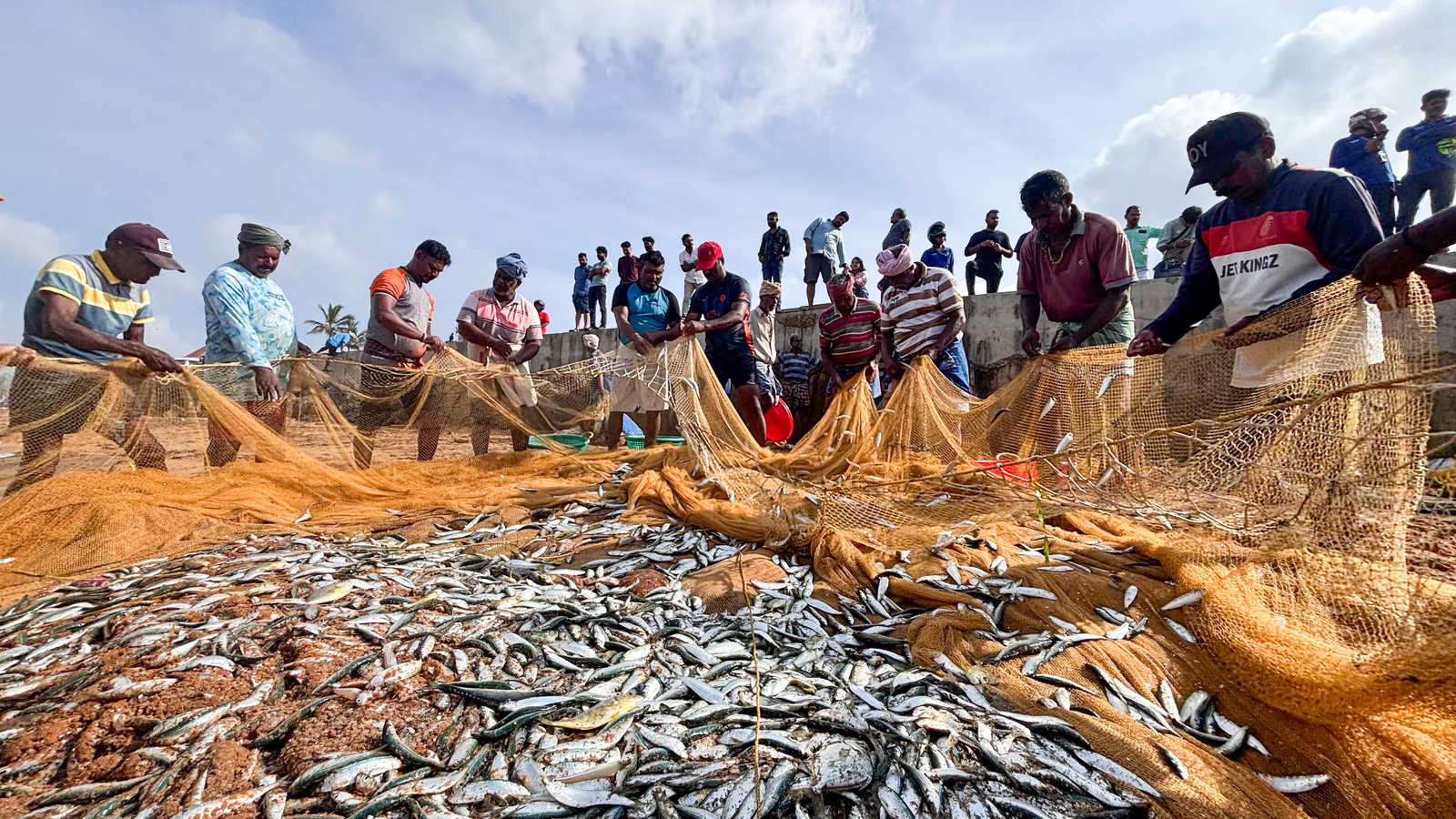
Kochi, February 27. Countries in the Bay of Bengal region are preparing for a significant overhaul of fisheries governance, with a renewed focus on strengthening policy frameworks for the small-scale fisheries sector that supports millions of coastal households.
At the recent Sub-Committee on Fisheries Management (COFI-FM) meeting organized by the Food and Agriculture Organisation in Reykjavik, the Bay of Bengal Programme Inter-Governmental Organisation (BOBP-IGO) outlined a roadmap for FAO regional collaboration aimed at transforming governance systems in India, Bangladesh, the Maldives, and Sri Lanka.
A key proposal is the development of nationally-owned National Action Plans dedicated to small-scale fisheries.
For India, which has over four million marine fishers and millions more engaged in inland fisheries, the shift towards inclusive governance, social protection, and practical management tools could directly influence upcoming policy and regulatory interventions.
BOBP-IGO highlighted an urgent structural concern: a significant portion of the region's fishing fleet is nearing the end of its operational life.
Director Dr. P. Krishnan called for time-bound plans to phase out ageing vessels, promote circular economy practices, and introduce safer, more durable boat-building materials.
He noted that the transition is essential not only for sustainability but also for safeguarding livelihoods dependent on coastal resources.
Beyond infrastructure, the reform agenda emphasizes social dimensions, safety at sea, insurance coverage, decent working conditions, and diversified livelihood support.
Particular emphasis has been placed on expanding women's participation across fisheries value chains, signaling a broader shift toward gender-inclusive growth.
On the management front, the roadmap advocates translating scientific stock assessments into simplified, actionable guidelines to enable faster policy implementation.
Strengthened regional cooperation on shared and transboundary fish stocks through joint assessments and coordinated strategies is also central to the proposal, aimed at curbing overfishing and stabilizing long-term fish availability.
Countries are also expected to intensify coordinated action against illegal fishing, leveraging digital tools and artificial intelligence-based monitoring systems to modernize compliance and reporting.
If implemented effectively, the proposed governance reforms could reshape the economic and ecological future of the Bay of Bengal's fisheries sector, improving incomes, enhancing safety standards, and reinforcing sustainability across one of the world's most densely populated marine regions.