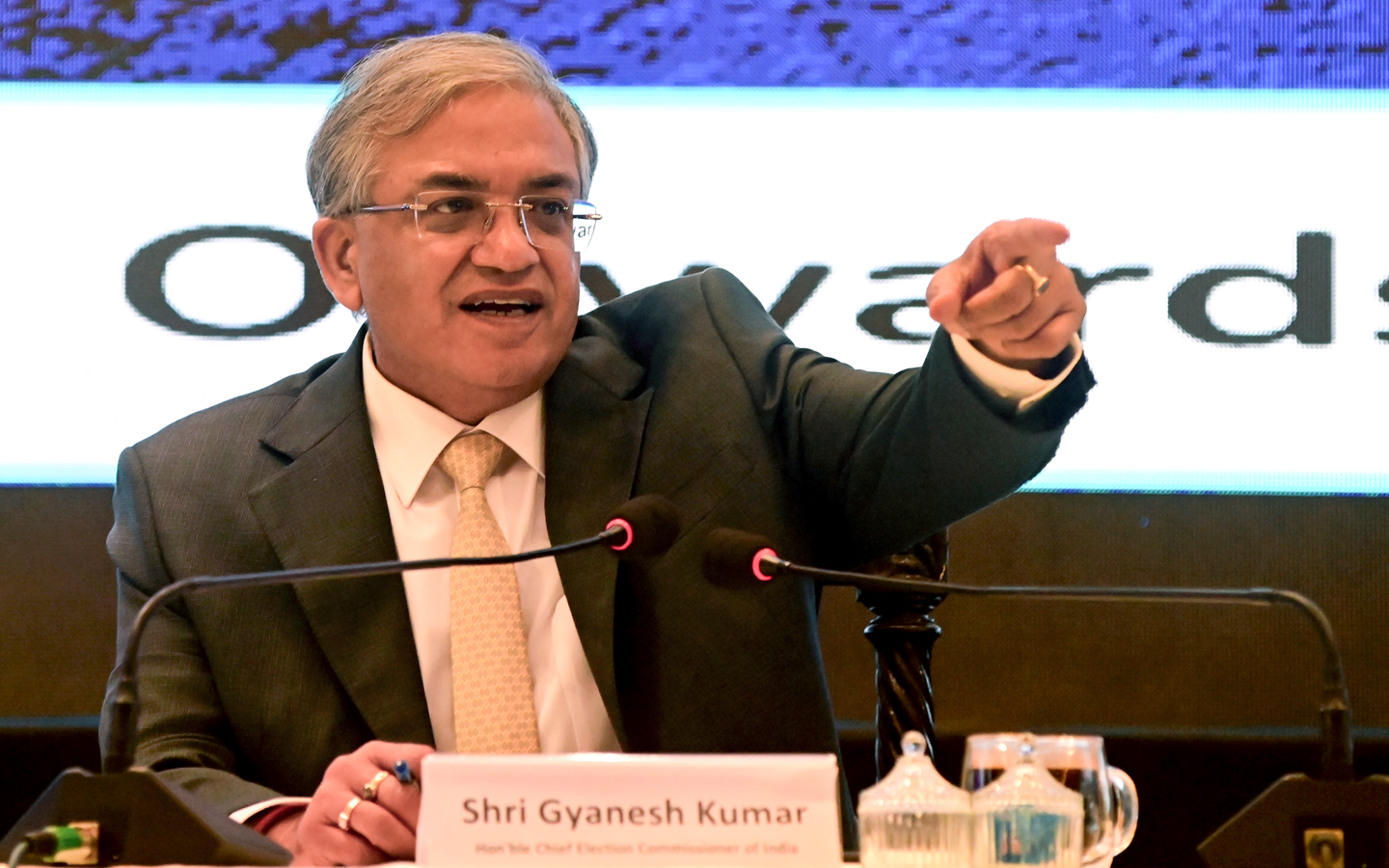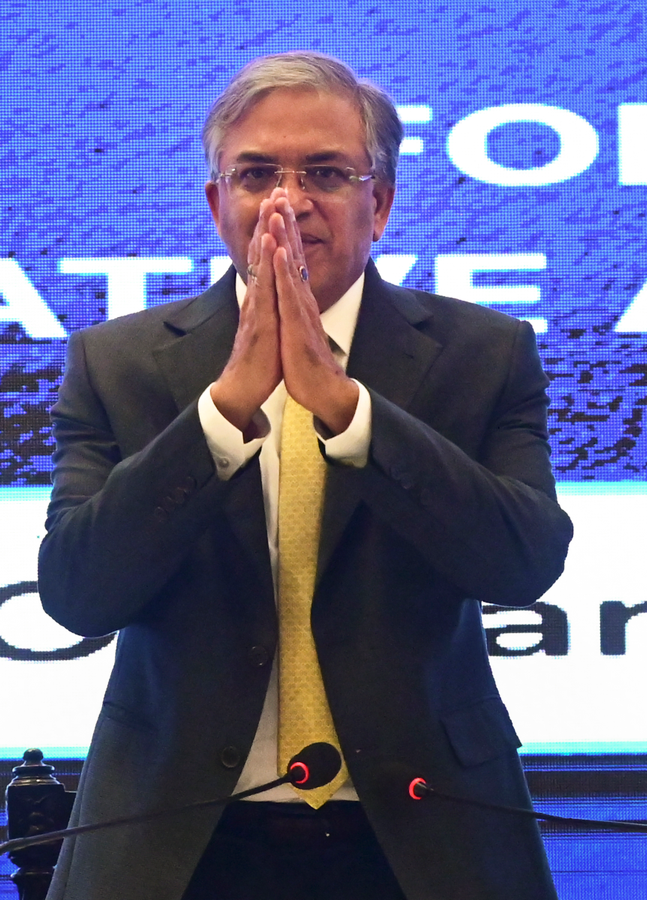
Kolkata, March 10 As West Bengal prepares for crucial assembly elections, Chief Election Commissioner Gyanesh Kumar stated on Tuesday that the controversy surrounding the Special Intensive Revision (SIR) would be addressed, assuring that no eligible voter's name would be removed from the electoral rolls, and vowed to conduct peaceful and fair elections in the state.
This assurance came amid growing tension between the Election Commission (EC) and the ruling Trinamool Congress (TMC) over allegations of widespread voter deletions during the SIR exercise, which has raised legal concerns, protests, and strong political reactions.
With the 294-member West Bengal assembly elections expected to be announced within a week, Kumar did not provide a direct answer when asked whether the Commission would announce the election schedule despite the ongoing scrutiny of nearly 60 lakh voters.
Addressing a press conference here after two days of meetings with political parties and senior state officials, Kumar also issued a strong warning against any attempts to intimidate voters or election officials during the election process, highlighting the EC's concern regarding West Bengal's history of poll-related violence.
"Any attempt by political leaders to intimidate electors or election personnel will not be tolerated," Kumar said.
Emphasizing that the EC's primary priority is ensuring every eligible citizen retains the right to vote, he stated, "Our aim is to ensure free, fair, and peaceful elections in Bengal. No eligible voter's name will be removed."
He explained that the sole purpose of the SIR is to ensure "accurate electoral rolls," which is fundamental to democracy. "This ensures that no eligible voter is excluded from the list, but no ineligible person is included."
He stressed that all officials involved in election duties would function strictly under the EC's instructions and warned that any lapse in neutrality would invite disciplinary action.
"There will be no tolerance for laxity in the election process. All agencies have been instructed to work with absolute impartiality," he said. To enhance transparency, the commission will ensure 100 per cent webcasting of polling stations across the state, he added.
He also noted that "democracy runs deeply in West Bengal. Voter turnout in the state has consistently been high. Voters and the public at large respect the Constitution and believe in peaceful and participatory elections."
The EC appealed to all voters in the state to ensure that polling takes place in a "violence-free and intimidation-free atmosphere," coining the EC slogan 'Chunao porbo, paschimbanger gorbo' (election festival is the pride of West Bengal).
He also refuted reports that "Logical Discrepancy" (LD) cases were introduced only in West Bengal, stating that such cases were flagged in all 12 states where the SIR exercise was held. He added that Booth Level Officers (BLOs) checked cases where voters remained unmapped with the 2002 rolls, whether deliberately or by mistake, using the documents provided.
Explaining the patterns that emerged during the revision in the state, Kumar said that around 4–5 per cent of electors failed to map themselves with the 2002 rolls after submitting enumeration forms, while an additional 7–8 per cent of voters were found to have mapped themselves incorrectly, either deliberately or due to unintentional errors.
According to the EC data released after the publication of the revised rolls on February 28, around 63.66 lakh names – about 8.3 per cent of the electorate – have been deleted since the revision began in November last year, reducing the voter base from roughly 7.66 crore to just over 7.04 crore.
Additionally, nearly 60 lakh electors have been placed in the "under adjudication" category, with their eligibility to be decided following scrutiny by judicial officers.
Kumar was repeatedly asked whether the commission could proceed with announcing the election schedule even if the scrutiny of these cases by judicial officers was not completed.
"The process is underway according to the Supreme Court's directions. Judicial officers are examining these cases, and supplementary lists will be published accordingly," Kumar said, without providing a direct answer.
According to officials, judicial officers have already completed scrutiny of documents for about 10 lakh voters whose cases were placed under adjudication, while the fate of the remaining nearly 50 lakh electors is yet to be decided.
In response to a question on the deployment of micro-observers to deal with LD cases, Kumar said they were deployed because a large number of cases remained undecided at the level of Electoral Registration Officers (EROs) and Assistant Electoral Registration Officers (AEROs) before the publication of the draft rolls.
"In Bengal, many cases remained pending at the ERO and AERO level before the publication of the draft rolls. Therefore, micro-observers had to be appointed for stringent document verification," he said.
The deployment of micro-observers was ordered in December last year, just three days after the draft electoral roll was published, underscoring the scale of the revision exercise in the state.
Meanwhile, the Supreme Court, which is also seized of the matter, has ordered the setting up of independent appellate tribunals, headed by former high court judges, to hear appeals against exclusions from voter lists during the SIR of electoral rolls in West Bengal.
The top court has also issued a stern warning against attempts to undermine the integrity of judicial officers who are deployed to deal with claims and objections of those facing deletion from voter lists in the SIR process.
Kumar said voters whose names have already been deleted from the rolls can still apply for re-inclusion by submitting Form 6.
He added that the schedule for the assembly elections, including the number of phases in which the state would vote, would be finalised after the commission returns to Delhi and reviews the outcome of the consultations held during the past two days.
"The phases of polls will depend on the law-and-order preparedness of the state machinery. We will take a decision after returning to Delhi and reviewing the outcome of the meetings held here," he said.
Kumar said the commission had reviewed the law-and-order situation with the state’s top administrative leadership and received assurances that the electoral process would remain peaceful.
"The entire government, led by its chief secretary, the DGP and senior police officers, has assured the commission that the election will remain free of violence and intimidation," he said.
Reiterating that the Election Commission would not respond to political attacks, Kumar said, "India is a democratic country, and everyone has the freedom of speech. Political parties may say what they want, but the Election Commission works according to the Constitution."
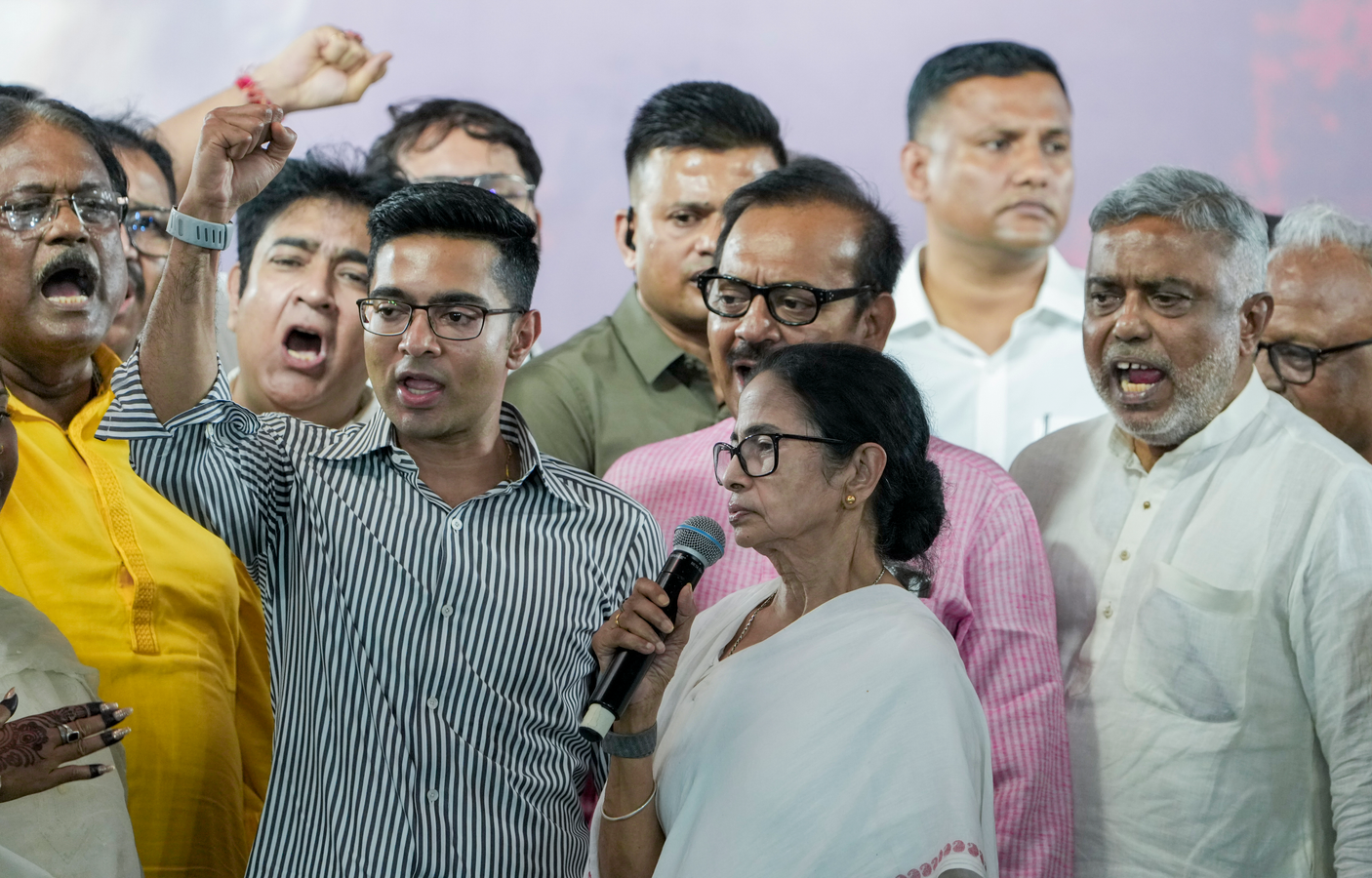
Reacting to EC's press conference, TMC leader Kunal Ghosh accused the poll panel of attempting to undermine the voting rights of the people of Bengal.
"Those who believe they can trample upon the voting rights of Bengal’s people will face a united and determined resistance," he said.
Senior BJP leader Tapas Roy said he hoped the commission would uphold its commitment and ensure a free and fair electoral process in the state.
The CEC also highlighted the scale of the electoral exercises. West Bengal has nearly 80,000 polling stations, about 61,000 of which are located in rural areas, he said.
Kumar said that over 6,000 centenarian voters and 5.23 lakh new electors in the 18-19 age group will be eligible to vote in the upcoming assembly polls in the state. About 1.31 crore voters in the state are between 20 and 30 years old.