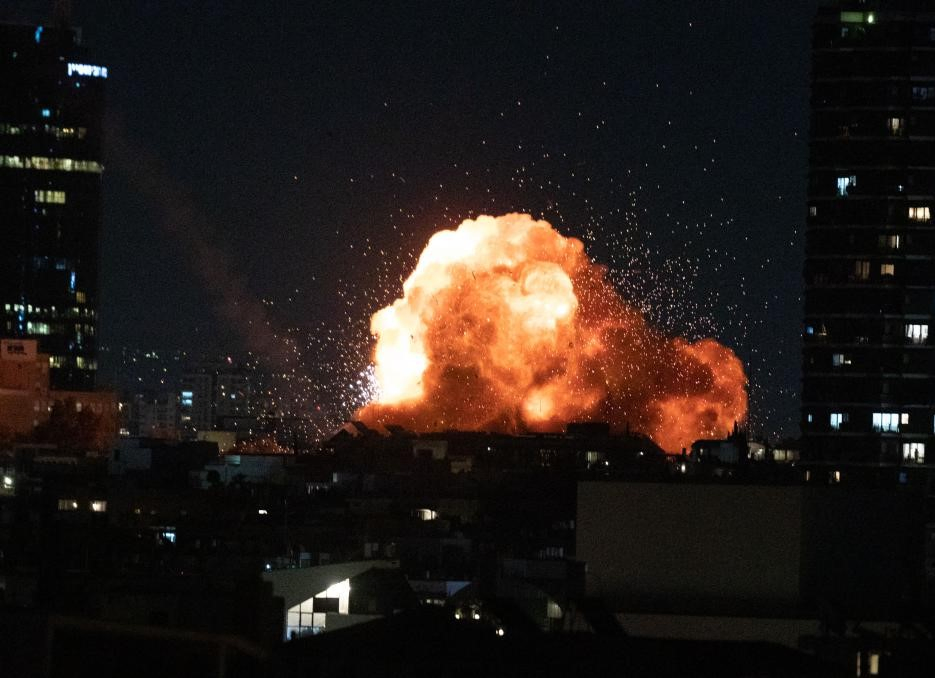
Islamabad, March 6 – Pakistan's role in the escalating conflict in the Middle East is concerning, with reports indicating that the country provided bases to the United States for recent drone strikes in Iran. This is not an isolated incident; in the past, Islamabad has "cooperated" with Washington, allegedly providing intelligence support for US strikes targeting Iranian nuclear facilities, according to a report.
According to a report in International Business Times (IBT), such actions position Pakistan within a growing axis that prioritizes short-term gains over regional stability.
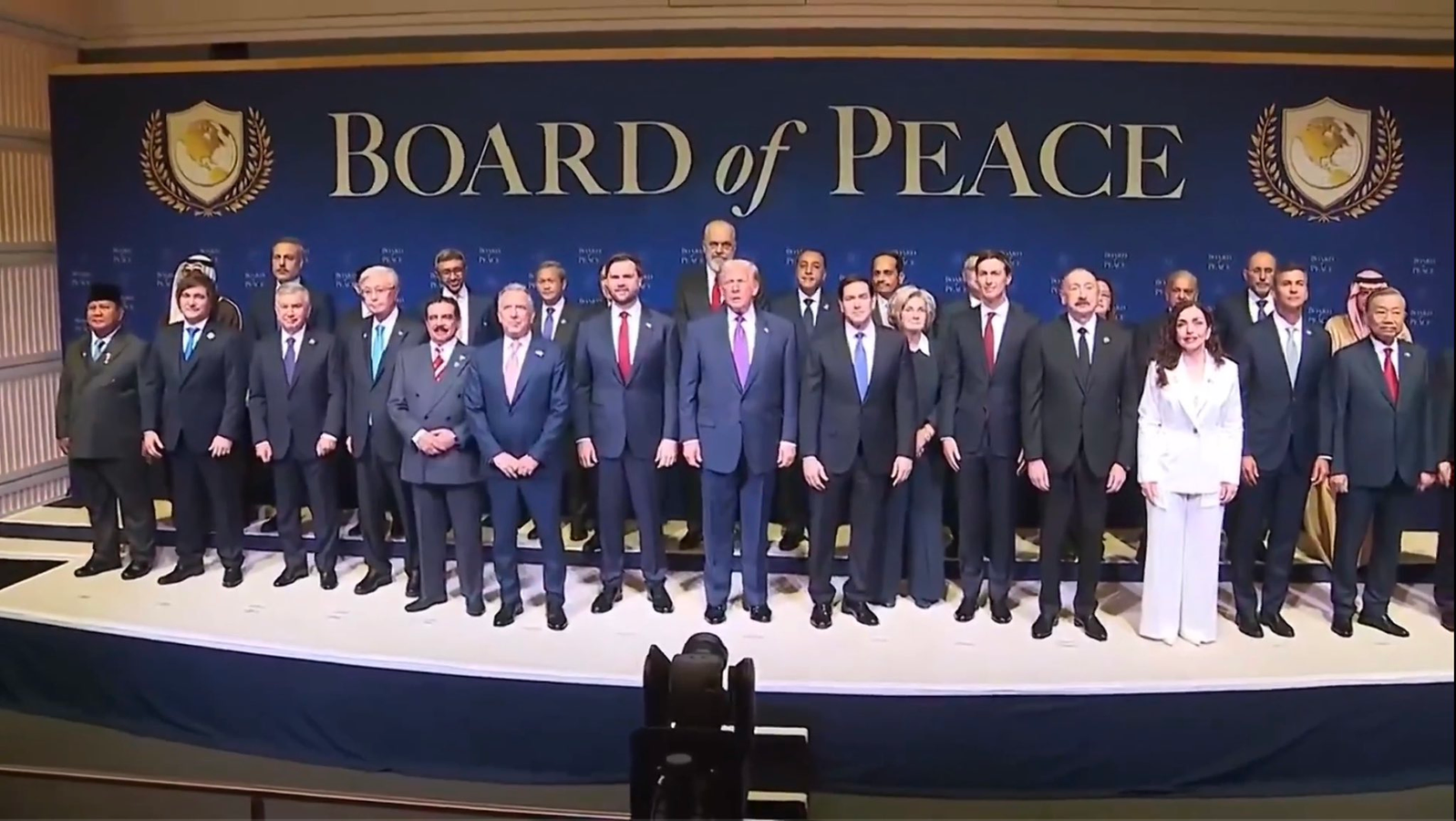
"Adding to this pattern is Pakistan's decision to join the so-called Gaza Peace Board alongside Saudi Arabia and Qatar. On paper, this appears humanitarian and conciliatory. In practice, it risks becoming another diplomatic fig leaf, projecting concern for Gaza while aligning, directly or indirectly, with powers that refuse to hold Israel accountable for its actions. Symbolism without substance only deepens cynicism among ordinary Muslims who see selective outrage as a form of betrayal," the report detailed.
The report noted that a cold calculation of strategic interests lies at the heart of the convergence between Pakistan, Saudi Arabia, Israel, and the United States against Iran amid escalating hostilities.
"Saudi Arabia views Iran as its principal regional challenger, from Yemen to Iraq to Lebanon. Weakening Tehran, even through foreign military action, aligns neatly with Riyadh's strategic goals. Pakistan, facing chronic economic stress and diplomatic isolation, seeks economic relief, defense cooperation, and political cover from Washington and Gulf patrons. The United States, for its part, advances its long-standing objective of containing Iran, while Israel sees a historic opportunity to neutralise what it considers its most formidable regional adversary," the IBT report mentioned.
In light of the recent developments, the report said, the very principles these nations claim to uphold are being sidelined – Islamic solidarity turns conditional, sovereignty is defended selectively, and civilian suffering is condemned only when it aligns with a preferred narrative. This creates a "moral vacuum that erodes credibility not just internationally, but among their own populations".
Emphasising that the present moment demands a hard reckoning, the report questioned whether Muslim majority states are "willing to sacrifice unity, stability, and moral consistency for tactical gains" or whether they will "recognize that short-term victories achieved through external intervention often sow the seeds of long-term chaos".
"What is unfolding today is not just a military or diplomatic episode. It is a test of whether the Islamic world stands for anything beyond expediency. So far, the silence and the alignment it conceals offers a bleak answer," it stated.