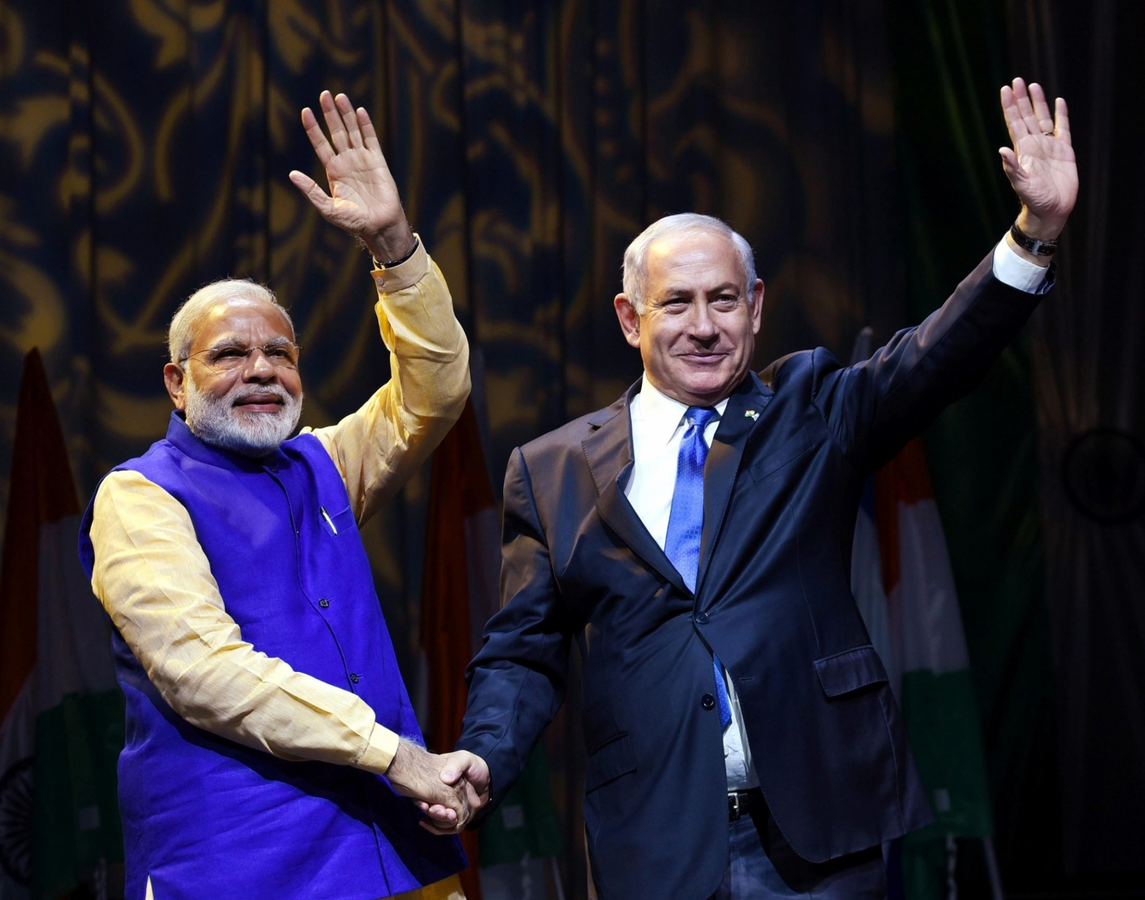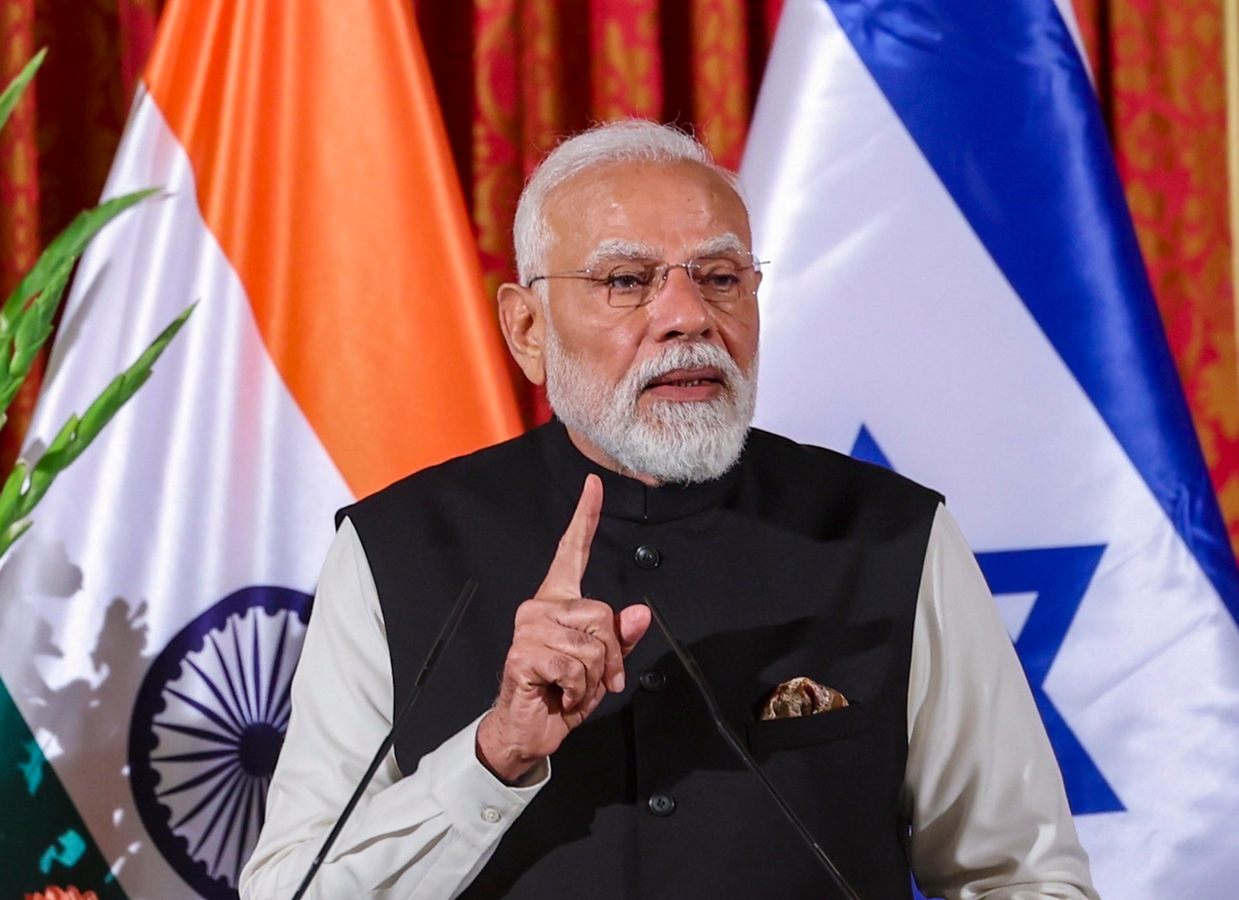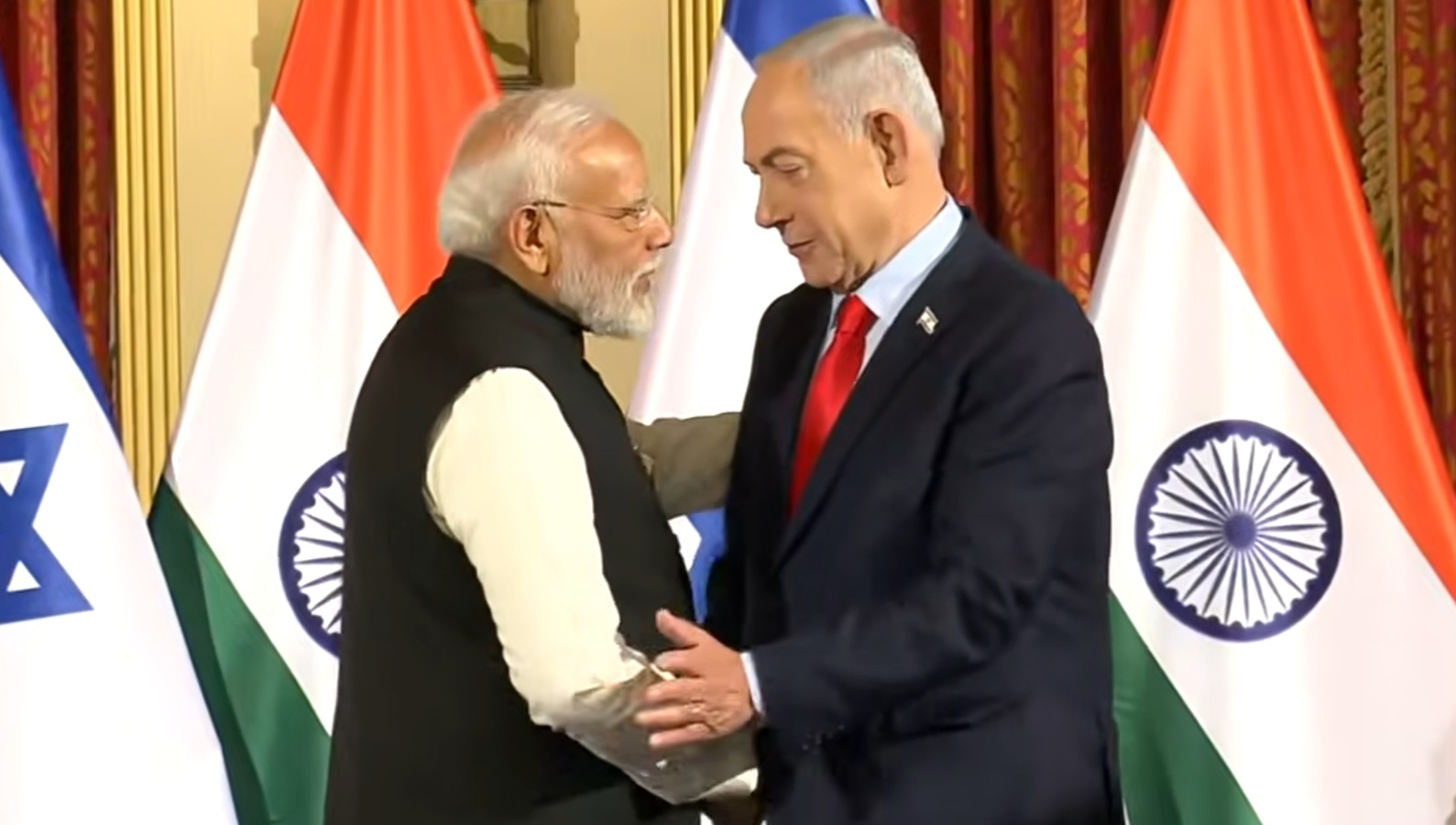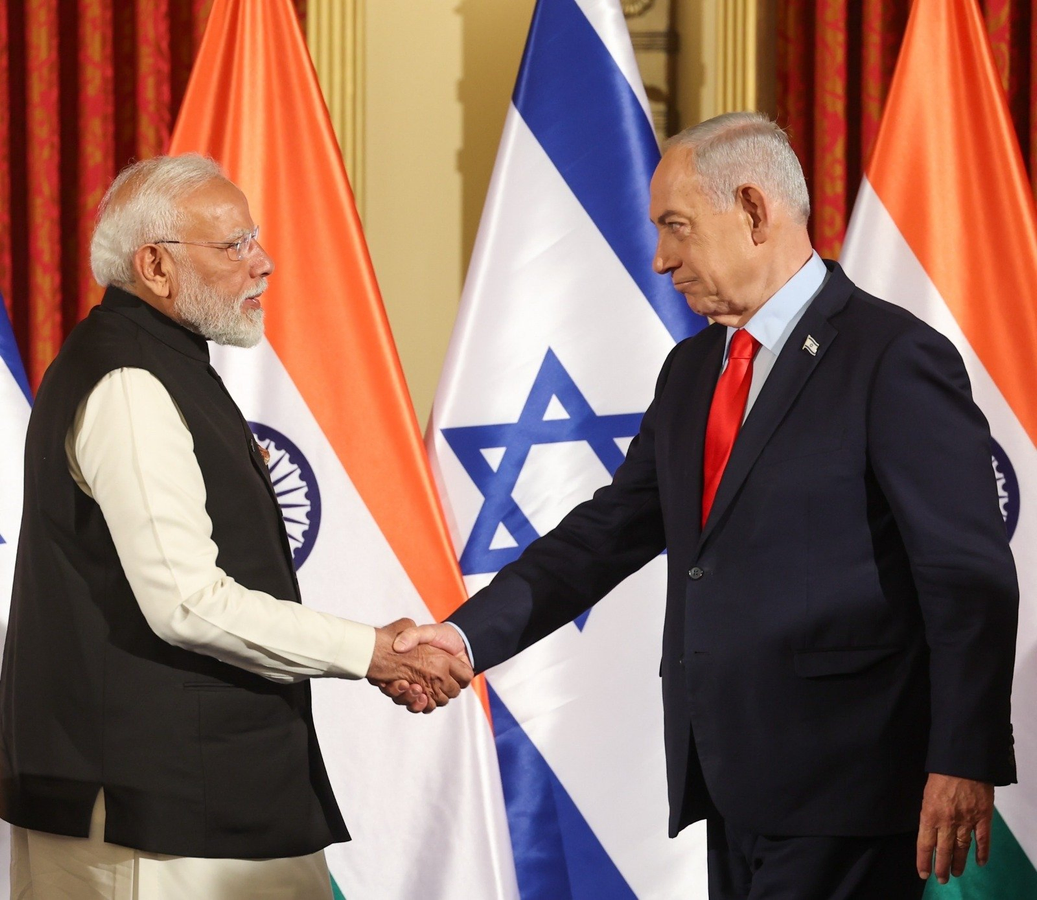
Jerusalem, February 26 – Prime Minister Narendra Modi and his Israeli counterpart, Benjamin Netanyahu, discussed the India-Middle East-Europe Economic Corridor (IMEC) on Thursday, expressing their intent to promote regional connectivity, stability, and shared prosperity through the initiative and explore Israel's role within its framework.
The leaders of India, the European Union, France, Germany, Italy, Saudi Arabia, the UAE, and the US announced a Memorandum of Understanding (MoU) to jointly develop a new India-Middle East-Europe Economic Corridor (IMEEC) during the 2023 G20 Leaders’ Summit held in New Delhi.
The IMEEC will comprise two separate corridors: one connecting India to the Gulf, and the other connecting the Gulf to Europe. The project aims to enhance connectivity, increase efficiency, reduce costs, secure regional supply chains, increase trade accessibility, and generate jobs, leading to a transformative integration of Asia, Europe, and the Middle East.
PM Modi and Netanyahu also reaffirmed their shared vision for a robust and strategic partnership based on mutual aspirations for peace, security, and prosperity through technological innovation and entrepreneurship.
According to the joint statement released following the bilateral discussions, the two leaders emphasized the importance of institutionalizing bilateral mechanisms across Government-to-Government, business-to-business, and people-to-people domains to ensure sustained collaboration and meaningful impact.
"In an era of global uncertainties, Prime Minister Modi and Prime Minister Netanyahu reaffirmed their commitment to advancing transformative initiatives such as the I2U2 quadrilateral partnership. This framework serves as a vital instrument for fostering deeper engagement, trade, investment, innovation, and leveraging the complementary strengths of both nations," the statement stated.
Both leaders also condemned terrorism in all its forms and manifestations, including cross-border terrorism, and called for decisive and concerted international efforts to combat terrorism in a comprehensive and sustained manner.
"Expressing grave concern over this common challenge, the Prime Ministers reaffirmed their collective resolve to combat this menace as the leaders of two vibrant and resilient democracies. They strongly condemned the heinous terror attack on Israel on October 7, 2023, the savage terror attack on Indian tourists at Pahalgam in Jammu & Kashmir on April 22, 2025, and the terror incident near Red Fort, New Delhi on November 10, 2025," the Joint Statement reflected.
The two leaders reiterated their commitment to advancing global peace and security and welcomed US President Donald Trump’s 'Comprehensive Plan to End the Gaza Conflict.' During the meeting, PM Modi and Netanyahu discussed regional developments, including the peace process, and stressed the need for establishing a just and durable peace, security, and freedom of navigation and trade in the region through dialogue and mutual understanding.