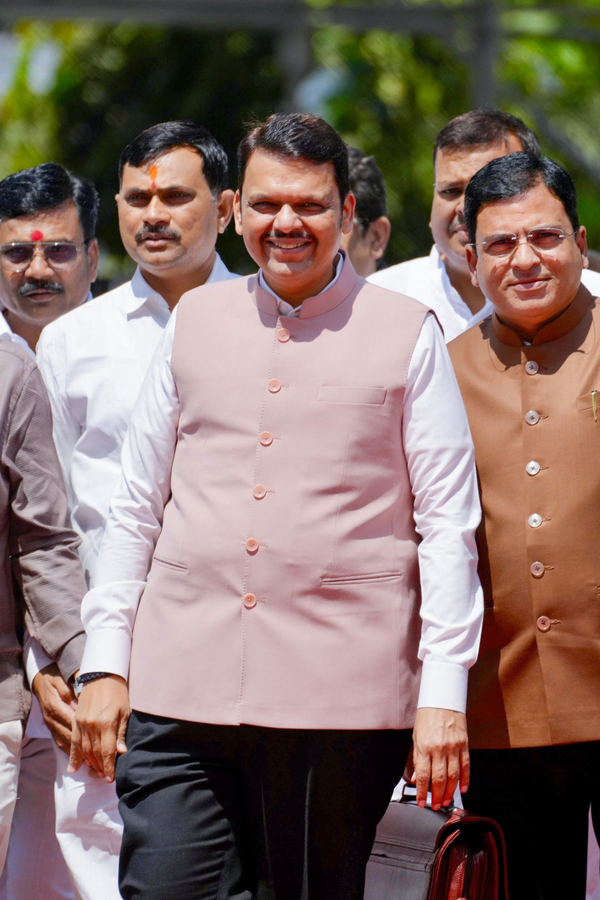
Mumbai, March 6: Maharashtra Chief Minister Devendra Fadnavis, while presenting the annual budget for 2026–27, identified the energy sector as the "foundation of Viksit Maharashtra" (Developed Maharashtra). The strategy focuses on achieving energy independence and grid stability by transitioning from thermal-heavy generation to a mix of solar, wind, and pumped storage.
The overarching goal is to add 45 GW of capacity by 2032, with renewable energy's share in the state's energy mix rising from 13 per cent to 52 per cent by 2030.
Maharashtra is currently implementing Asia's largest decentralized solar programme. The state is on track to generate 16 GW of solar power by the end of 2026, adding nearly 500 MW every month. The government has proposed shifting the entire agricultural load to solar power.
This would reduce the cost of electricity for farmers from Rs 8 per unit to less than Rs 3, easing the cross-subsidy burden on industries. The government has finalized plans to install over 10 lakh solar pumps soon.
Maharashtra already accounts for 60 per cent of all solar pumps in India.
To address the "intermittency" problem associated with solar and wind power, the budget prioritizes pumped storage projects.
The government is fast-tracking 55 MoUs for pumped storage projects with a total potential of 78,215 MW and an investment of Rs 4.16 lakh crore.
These projects will act as "reservoirs of energy," storing surplus power during the day and releasing it during peak night hours.
According to the Chief Minister, Maharashtra aims to become a national hub for green hydrogen. The budget supports the creation of specialized green hydrogen hubs, likely in coastal regions such as Raigad and Ratnagiri, to supply zero-emission fuel to the chemical and steel industries. Maharashtra currently leads India in bioenergy capacity at around 3,000 MW. The budget incentivizes compressed biogas (CBG) plants to convert agricultural waste into fuel.
The government has also proposed expanding high-voltage transmission lines to evacuate power from solar-rich zones in Marathwada and Vidarbha to industrial hubs in western Maharashtra.