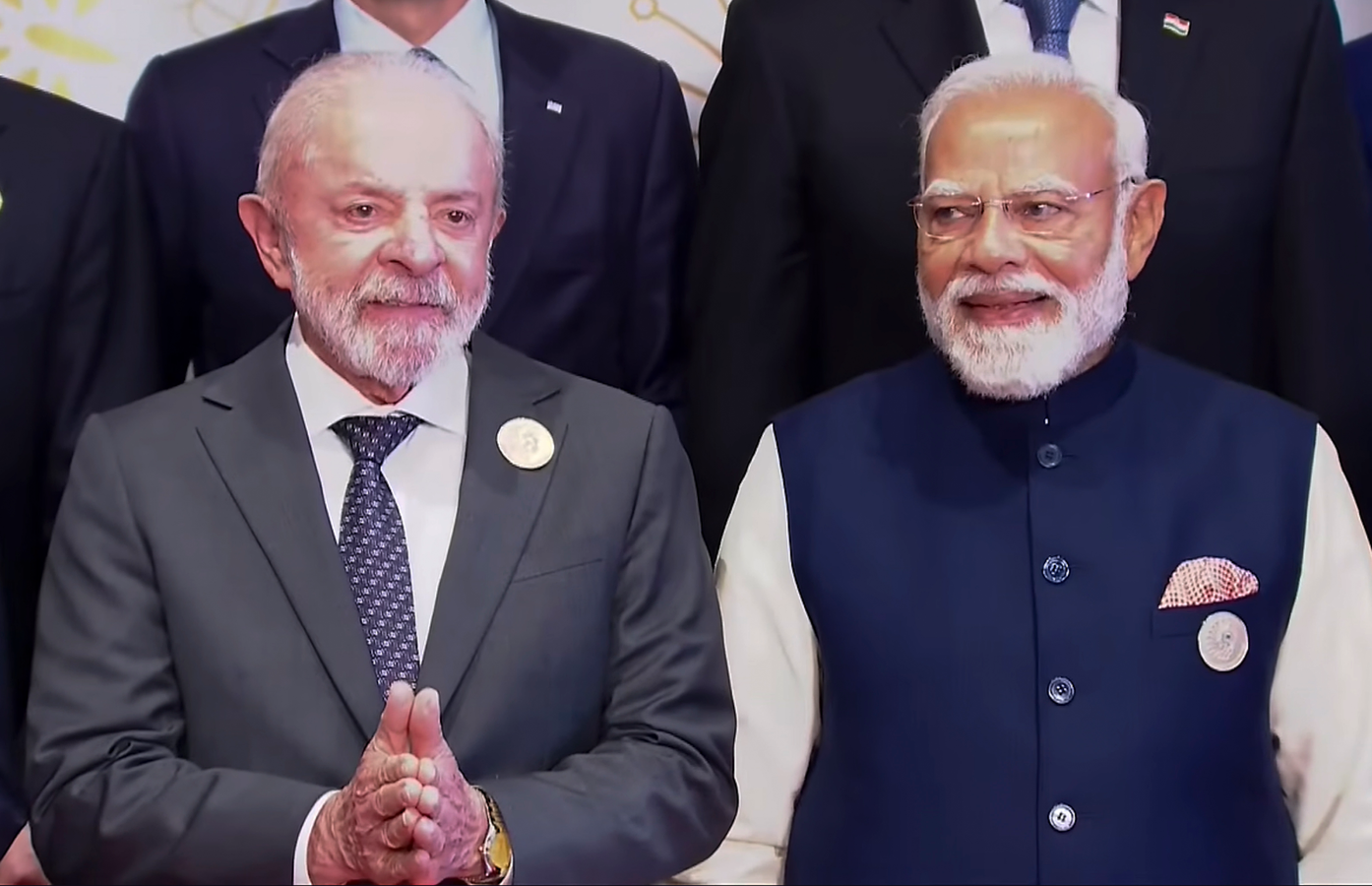
Prime Minister Narendra Modi stated that India continues to be a beacon of hope for the world due to its strong economy. He said that as India emerges as a beacon of hope, rapid economic development has become the cornerstone for realizing the vision of "Viksit Bharat" (Developed India).
Addressing a post-budget webinar on the theme "Sustaining and Strengthening Economic Growth" through video conferencing, Mr. Modi said that today, the world is looking for reliable and resilient manufacturing partners. He said that India has the opportunity to become a key player in this direction.
Prime Minister Modi stated that the government's intention and resolve are clear: to build more, produce more, connect more, and export more. He said that India has entered into free trade agreements with many countries, opening up vast opportunities for the nation. He emphasized that everyone has a responsibility to maintain quality, and products should meet global standards.
Prime Minister Modi urged industries to increase investment in research and development and focus on quality. He said that to bring about ground-level changes, industry, financial institutions, and state governments must work together to make this a reality. He mentioned that the budget includes provisions for the "Biopharma Shakti" Mission, which aims to establish India as a global hub for biologics and next-generation therapies. He said that the mission seeks to position the country as a leader in advanced biopharma research and manufacturing.
Prime Minister Modi said that a major transformation is taking place in the world economy today. He said that markets are no longer solely focused on cost but also on sustainability. He added that industries that invest early in clean technologies will gain better access to emerging markets in the years ahead.
Mr. Modi said that the reforms introduced by the government in the MSME sector are showing a wide impact. He said that the development of a high-capacity transport system, better coordination between railways, highways, ports, airports, and waterways, and the expansion of multi-modal connectivity are essential to reduce logistic costs.