New Delhi, March 17 The 2027 Census will be conducted in two phases, with the first phase focusing on house listing and housing census, and the second phase dealing with population enumeration, which would include disability data, the Lok Sabha was informed on Tuesday.
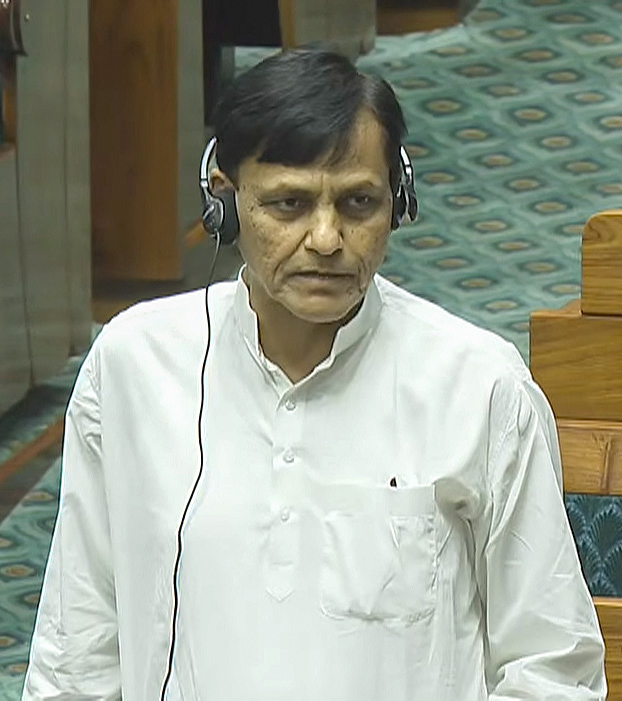
In a written reply, Minister of State for Home Affairs Nityanand Rai said that the questions for the first phase of the 2027 Census have been notified.
In previous Censuses, disability data were collected in the second phase of the Census. The questions for the second phase of the Census will be notified in due course before the conduct of this phase, said Rai.
Explaining the various steps, the Minister of State said that once the questions of the second phase are finalized and notified, the instruction manual and training tool kits are prepared in consultation with concerned stakeholders, and training is organized for census functionaries, including enumerators and supervisors.
He said that enumerators will undertake house-to-house field visits in their allotted enumeration block for the collection of census data.
The provision of self-enumeration is an additional facility for respondents to submit data. Data on the self-enumeration portal can be filled by any member of the household, he said.
Earlier, Union Minister of State for Social Justice and Empowerment, Ramdas Athawale, said on Tuesday that the upcoming 2027 Census is a great opportunity to recognize all 21 categories of disabilities through trained enumeration and vastly improved data collection.
Speaking at the launch of India's first-ever handbook on disability for Parliamentarians, titled 'Beyond the Visible: A Handbook on Disability Inclusion for Parliamentarians', prepared by the National Centre for Promotion of Employment for Disabled People (NCPEDP), the Union Minister noted that the 2027 Census will be the first such exercise after the enactment of the Rights of Persons with Disabilities (RPwD) Act, 2016.
Arman Ali, NCPEDP Executive Director, said, "The Handbook is a commitment to ensure that Parliamentarians become active partners in breaking every barrier faced by persons with disabilities. This book will help translate the RPwD Act into real legislative action and make inclusion a lived reality in Indian democracy."
Athawale congratulated Ali, the NCPEDP team, the National Disability Network, and Bajaj Finserv CSR for this timely and practical contribution, saying that the handbook will serve as a valuable guide for Parliamentarians to strengthen inclusive policymaking across the country.