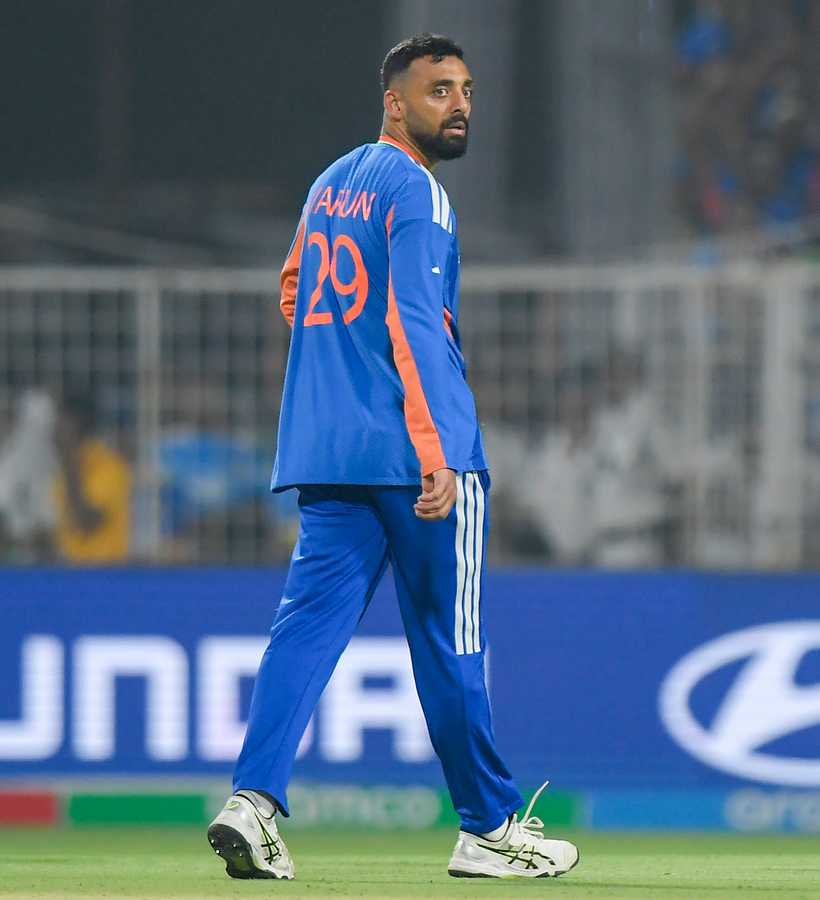
New Delhi, March 7 – Former New Zealand cricketer Simon Doull believes that India has no reason to drop Varun Chakravarthy in favor of Kuldeep Yadav for the Men's T20 World Cup final against Sri Lanka on Sunday, adding that the crafty wrist-spinner is still effective despite his struggles in the Super Eights stage.
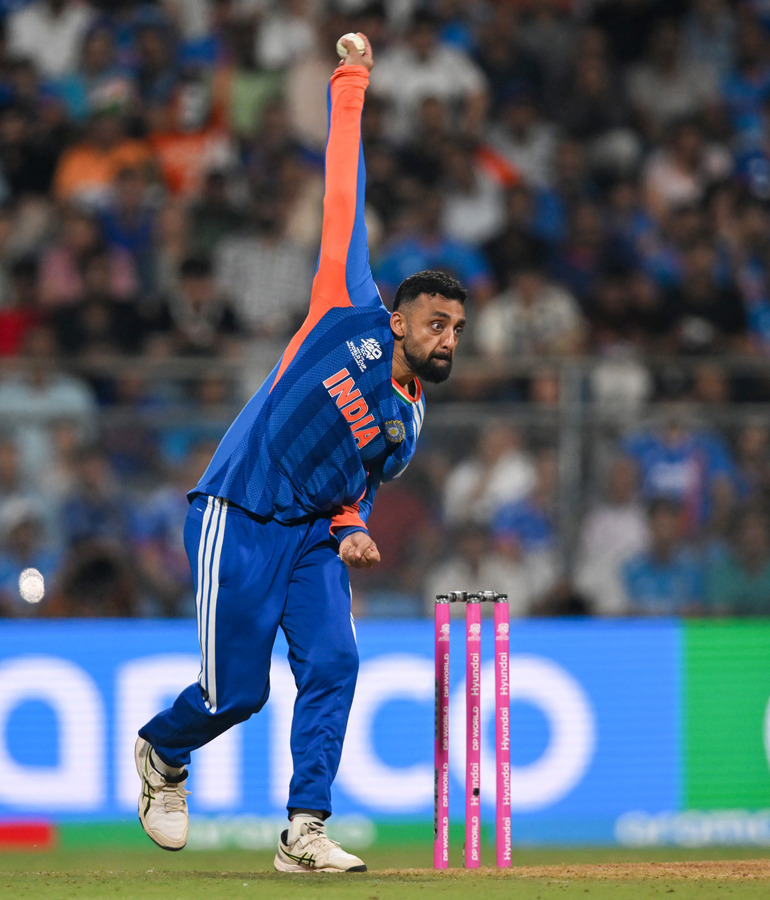
Chakravarthy, who is ranked as the top T20I bowler, had a good performance in the group stage, taking nine wickets in four matches at an economy rate of 5.2. However, his performance has been inconsistent since the Super Eight phase, taking only four wickets in as many games, and his economy rate has increased to 11.6.
In the semi-final against England at the Wankhede Stadium in Mumbai, Chakravarthy, despite being the joint leading wicket-taker in the tournament, had figures of 1-64 – his most expensive T20I spell and the second-most expensive in tournament history. Furthermore, eight of Chakravarthy's 11 most expensive T20I spells have occurred since December 2025.
"No, I don't think Varun Chakravarthy is at all vulnerable. He's a superbly talented bowler, and you can watch as many videos as you like, and teams can watch as many replays and slow-motion replays as they like. But you still have to trust your instincts when you're out there in the heat of the moment and under pressure," Doull said.
"I don't see any reason to bring Kuldeep in, and he'd probably play for pretty much every other team in the competition if he were part of their country. But I just don't see India looking to Kuldeep ahead of Varun Chakravarthy in this situation."
"Looking back at the series against New Zealand, there were a couple of times when New Zealand used Kuldeep effectively. I just don't see them changing that at all, and I don't see Varun Chakravarthy being as easy to read, even though some players in the tournament have been able to get to him. He will and probably should play," said Doull in an exclusive conversation with
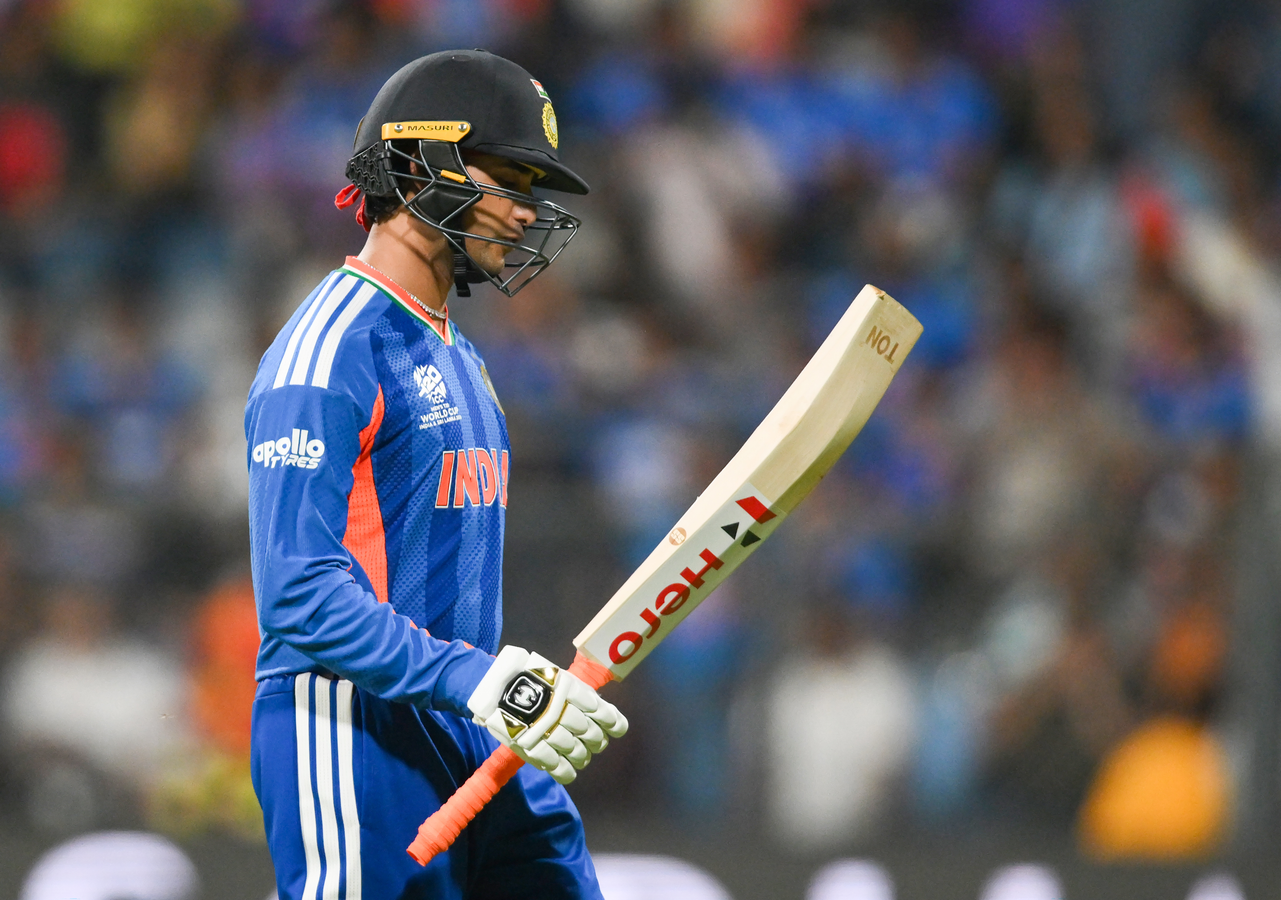
Just like Chakravarthy, questions are also being raised about left-handed opener Abhishek Sharma’s form. Impacted by a stomach infection in the early phase of the competition, Abhishek has struggled for rhythm, even as his partner Sanju Samson has been in blistering touch at the other end by hitting epic fifties against West Indies and England.
Abhishek has managed just 89 runs in seven innings at an average of 12.7, with off-spinners proving particularly effective against him – he has scored only 29 runs in five innings against them and been dismissed thrice.
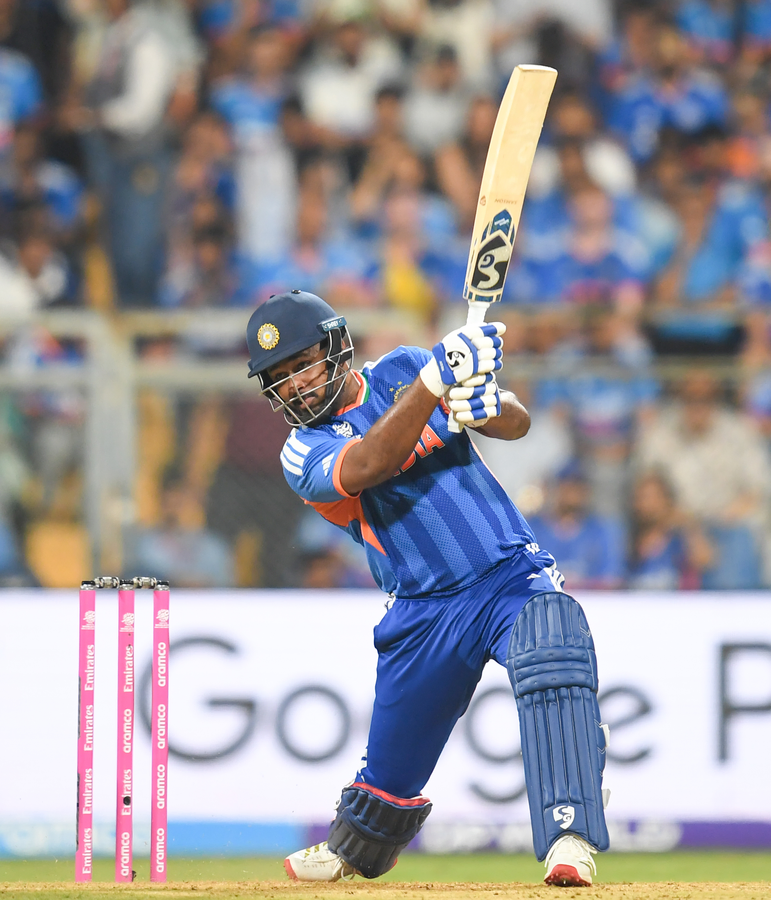
Samson, by contrast, has scripted a redemption story. Left out of India’s playing eleven at the start of the tournament after a lean patch, he has emerged as one of the most explosive batters in the competition. In four innings, he has piled up 232 runs at an average of 77.3 and a strike-rate of 202, including two half-centuries and 16 sixes.
Samson’s intent has been clear from ball one. He has struck at 198 in the Power-play and 205 thereafter. In his first 10 deliveries in the World Cup, Samson has a strike-rate of 208, the highest by a batter who has played 30-plus balls in the competition. He also boasts of the highest boundary percentage (79 percent) among batters with 200-plus runs.
"In terms of the two at the top of the order, Sanju's been superb. I mean, kind of watching Sanju now for a long, long time through IPL and his limited opportunities in an Indian jersey, and you would think that in the last couple of innings, that's the Sanju Samson that we've known.
“The ability that he has just hasn't produced it on a regular basis at the international level. So it's been really good to watch. I love watching him watch the way he plays, and he's a really nice gentleman as well. Anytime I've had to do an interview with him through the IPL, he's always very, very friendly, always has a smile on his face, or most of the time. I'm pleased with the success he's had,” added Doull, who played 32 Tests and 42 ODIs for New Zealand.
On how New Zealand might look to counter India's line-up full of big hitters, Doull said the focus would first fall on neutralizing the in-form Samson while taking care of a struggling Abhishek at the other end. "How will New Zealand counter him and Abhishek? I think you'll see a similar plan to what happened against South Africa. They'll use Matt Henry, obviously, for the first over.
“I think the ball nipping back into Sanju Samson will cause him problems, and with Matt Henry moving the ball both ways, he exposes the inside and the outside edge. So length will be key. Early on, I think, you know, very early on, Sanju can just maybe push a little bit hard at one, and Henry will look to exploit that.
“Then they'll go with Cole McConchie against Abhishek in that second over, if the left-hander is on strike. That's how New Zealand will look to counter that opening combination. It doesn't guarantee success, but they've both had success in those roles before in Matt Henry and Cole McConchie, so that's how they'll be looking to do it," he concluded.