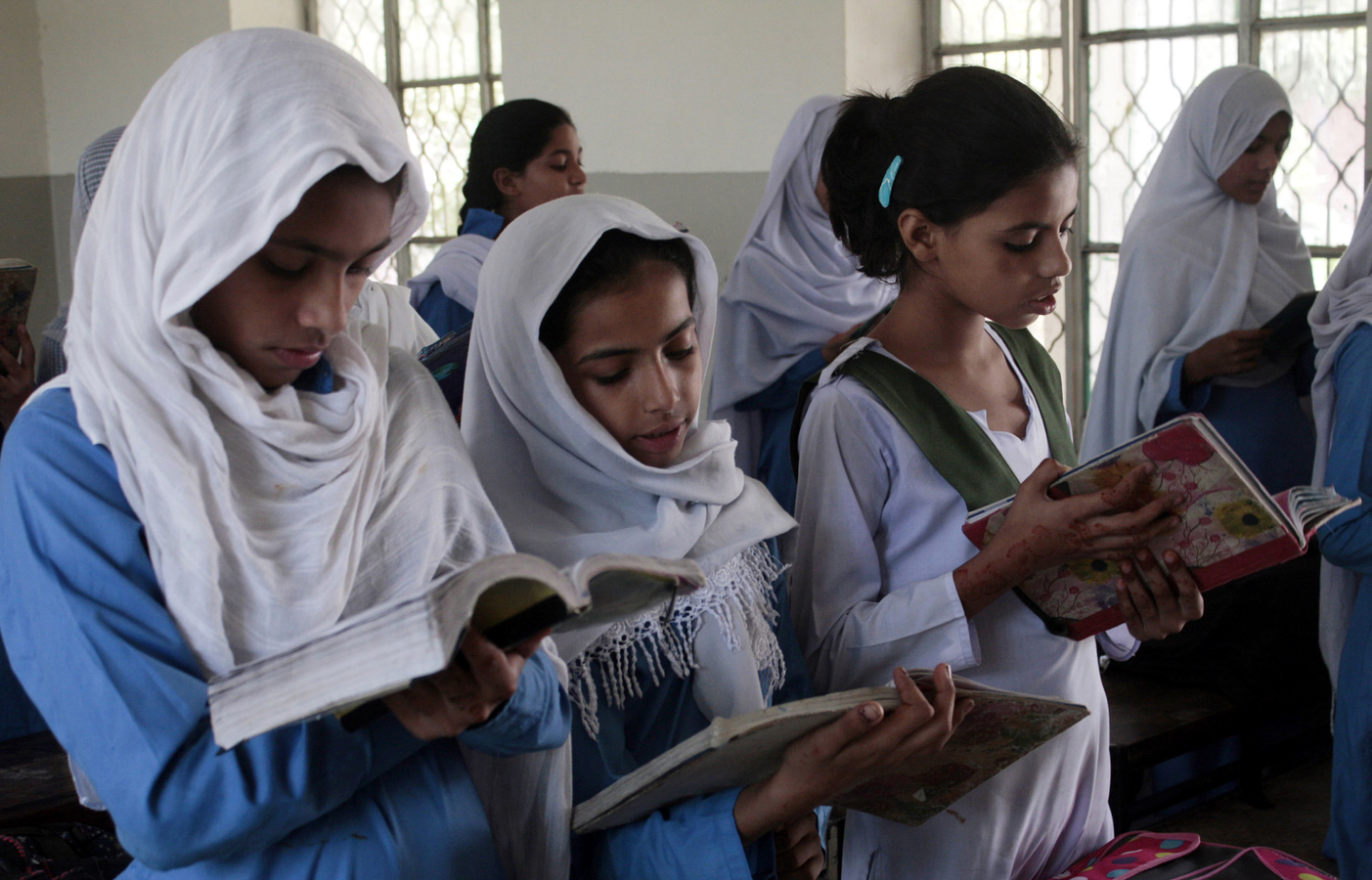
Islamabad, March 18 – Nearly 28 per cent of children in Pakistan, aged between 5-16 years, are out of school. Alarmingly, girls are disproportionately affected, with 34 per cent of girls not enrolled in schools compared to 22 per cent of boys, according to local media reports on Wednesday.
These disparities are particularly evident in rural areas of Pakistan, especially for girls, where access to education is limited, highlighting how gender and geography affect educational opportunities.
According to a report by The Express Tribune, citing a Gallup Pakistan survey, two-thirds of Pakistanis aged 10 years and above have attended school at some point. This indicates that access to education remains highly unequal in Pakistan, with a national literacy rate of 63 per cent, 73 per cent for males, and 52 per cent for females.
The report also states that literacy rates are higher in urban areas (77 per cent) compared to rural areas (56 per cent). While 68 per cent of children are enrolled in primary school, the numbers decrease significantly at higher levels of education. Only 40 per cent attend middle school, and around 30 per cent attend matriculation. This significant drop in the number of students continuing their education in schools highlights the challenges they face, particularly in rural and disadvantaged areas, such as safety concerns, school distance, and rising opportunity costs, especially for rural girls.
According to the report, financial pressure, domestic responsibilities, and limited options for post-primary schooling contribute to children not continuing their education in schools. These challenges are further exacerbated for girls due to social expectations and early marriage, according to The Express Tribune. The report indicates that Punjab has the highest literacy rate in Pakistan (66 per cent), followed by Sindh (61 per cent). Khyber Pakhtunkhwa has a literacy rate of 55 per cent, while Balochistan has a literacy rate of only 43 per cent.