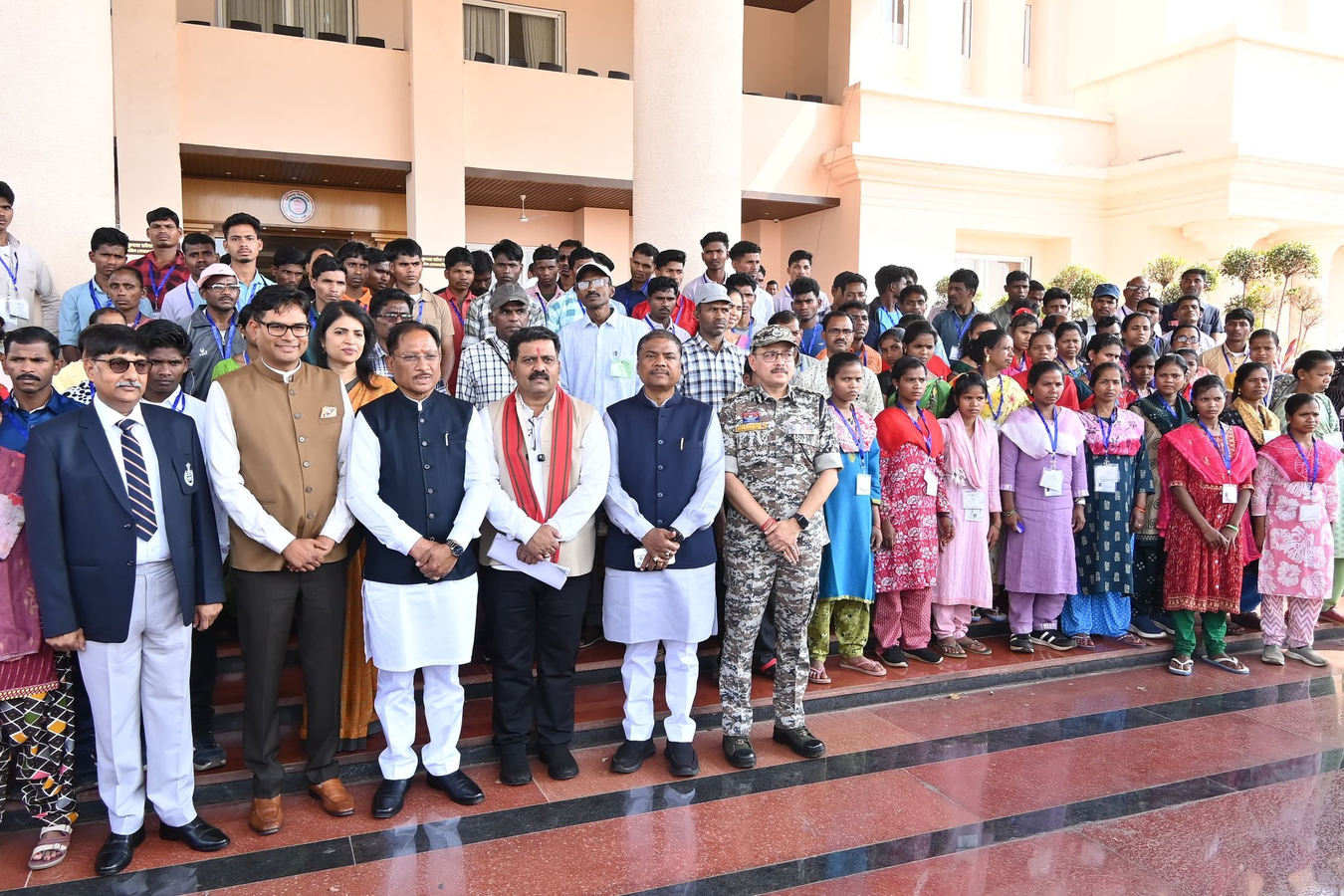
Raipur, February 27 – In a remarkable display of transformation in Chhattisgarh's long struggle against Maoism, 120 former Maoists were present in the visitors' gallery of the state Assembly, observing the democratic process firsthand.
Among those in the gallery were former "feared" Maoists whose surrenders carried significant weight. Rupesh, who once carried a bounty of Rs 1 crore, and Chaitu, also known as Shyam Dada with a Rs 25 lakh reward, were present and attentive. Chaitu's name remains associated with the tragic 2013 Jhiram Valley attack in Bastar, which claimed the lives of several prominent Congress leaders.
Having surrendered in Jagdalpur just three months earlier, he now observed House debates while wearing a simple cap, a quiet yet profound symbol of how the power of the ballot is gradually eclipsing the influence of the gun. These individuals, once committed to armed rebellion, now embody a powerful narrative of surrender and reintegration into mainstream society.
Chief Minister Vishnu Dev Sai personally met with them during the session and addressed their "future with optimism." He explained that the government remains deeply committed to their rehabilitation through a dedicated policy.
Under this framework, surrendered Maoists receive monthly financial assistance of Rs 10,000 for three years, along with opportunities for skill development to help them build sustainable livelihoods. To support permanent settlement, the policy provides four decimals of land in urban areas for constructing houses and one acre in rural regions for agricultural purposes.
The Chief Minister used the occasion to appeal to those still in the forests, urging them to lay down their arms and choose the path of peace and progress.
The evening before their Assembly visit, Deputy Chief Minister Vijay Sharma hosted these former insurgents at his residence in Nava Raipur. The gathering was far from a stiff official event; it featured a warm welcome, showers of flowers, and a shared meal that fostered personal connection.
Sharma spoke individually with each person, listening to their stories and guiding them about the experience ahead in Raipur. Such gestures aimed to strengthen trust between the administration and those stepping away from violence. The following morning, after a thorough security screening, the group entered the visitors' gallery, filled with visible excitement.
For many, it marked their first close encounter with the workings of democracy. As they followed Question Hour, legislative discussions, and procedural debates, a sense of inclusion replaced their earlier opposition to the system.
This moment showcased the effectiveness of Chhattisgarh's rehabilitation efforts, which combine security operations with compassionate outreach, steadily drawing insurgents back to civilian life and contributing to the broader goal of eradicating Maoist influence in the region.