Washington, February 18 – US lawmakers moved to tighten controls on advanced American chips to prevent their diversion to China and other countries of concern, even as Washington and Beijing held drug enforcement talks focused on fentanyl and synthetic opioids.
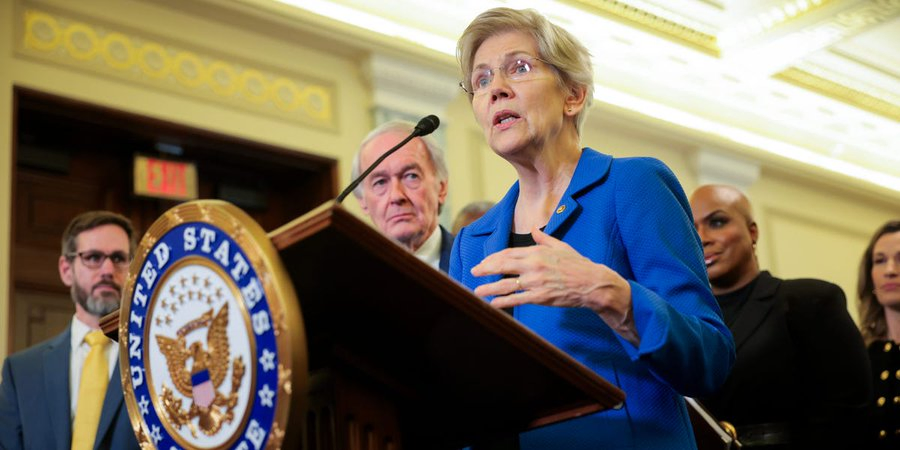
US Senator Elizabeth Warren, Ranking Member of the Senate Banking Committee, co-sponsored Senator Tom Cotton's Chip Security Act. The legislation aims to prevent advanced American chips from falling into the hands of China and other countries of concern by improving oversight of advanced AI chips and directing the Secretary of Commerce to require chip security mechanisms.
"We have a responsibility to ensure our most advanced technologies do not end up putting American economic and national security at risk. This bill is a commonsense fix to the long-standing challenges of chip smuggling, ensuring our export enforcement officials can stay one step ahead of smugglers," Warren said.
Cotton said: "We must do better at maintaining and expanding our position in the global market, while safeguarding America's technological edge. With these enhanced security measures, we can continue to expand access to US technology without compromising our national security."
The bill reflects growing bipartisan concern in Washington over technology transfers and export enforcement, particularly involving advanced AI chips.
As lawmakers advanced the measure, US and Chinese officials met in Colorado Springs for the Bilateral Drug Intelligence Working Group from February 10 to 12.
The meeting between the US Drug Enforcement Administration and China brought together law enforcement, prosecutors, customs, border security, public security, financial supervision, and technical experts to advance cooperation against illicit synthetic drugs, including fentanyl.
"The shared, urgent, and life-saving priority to stem fentanyl and other synthetic opioids has been emphasized by both President Trump and President Xi," the DEA said.
Participants reviewed recent progress and agreed on "concrete next steps to disrupt chemical supply chains, prevent diversion, and target illicit finance tied to transnational criminal organisations."
The talks examined drug trafficking trends in both countries. They also addressed the impact of precursor chemicals on the drug supply, pill presses and related equipment, and the role of online advertising.
"Recognising the terrible human toll of synthetic drugs, in particular fentanyl, the United States and China are committed to working together, in line with the guidance from both countries' leaders, to save lives, protect communities, and uphold the rule of law," the statement said.
Fentanyl has been central to US efforts to curb opioid overdoses, which have claimed tens of thousands of lives annually in recent years. Washington has repeatedly urged Beijing to strengthen controls over precursor chemicals and illicit supply chains linked to transnational criminal groups.