New Delhi, March 10 Prime Minister Narendra Modi met with several key ministers on Tuesday and asked them to work together to ensure that Indian consumers do not suffer from the impact of the conflict in West Asia on the supply and price of petroleum products, sources said.
Amid rising tensions in West Asia following the attacks by the United States and Israel on Iran, oil prices have risen substantially, and there are concerns about a possible shortage of petroleum products, including LPG, in India.
Sources said that Prime Minister Modi has been proactive in ensuring that Indian consumers do not bear the brunt of higher petroleum prices, as India is a net importer of crude oil and natural gas.
They said that the Prime Minister told the ministers to work in coordination and ensure that there is no shortage of petroleum products and LPG.
PM Modi met with External Affairs Minister S Jaishankar, Oil Minister Hardeep Singh Puri, Finance Minister Nirmala Sitharaman, and Commerce Minister Piyush Goyal, and discussed the energy situation in the country.
Sources said that India, which sources a significant portion of its energy products from West Asia, has now diversified its procurement from other countries, including the US, Russia, Venezuela, Australia, and other Oceanic countries.
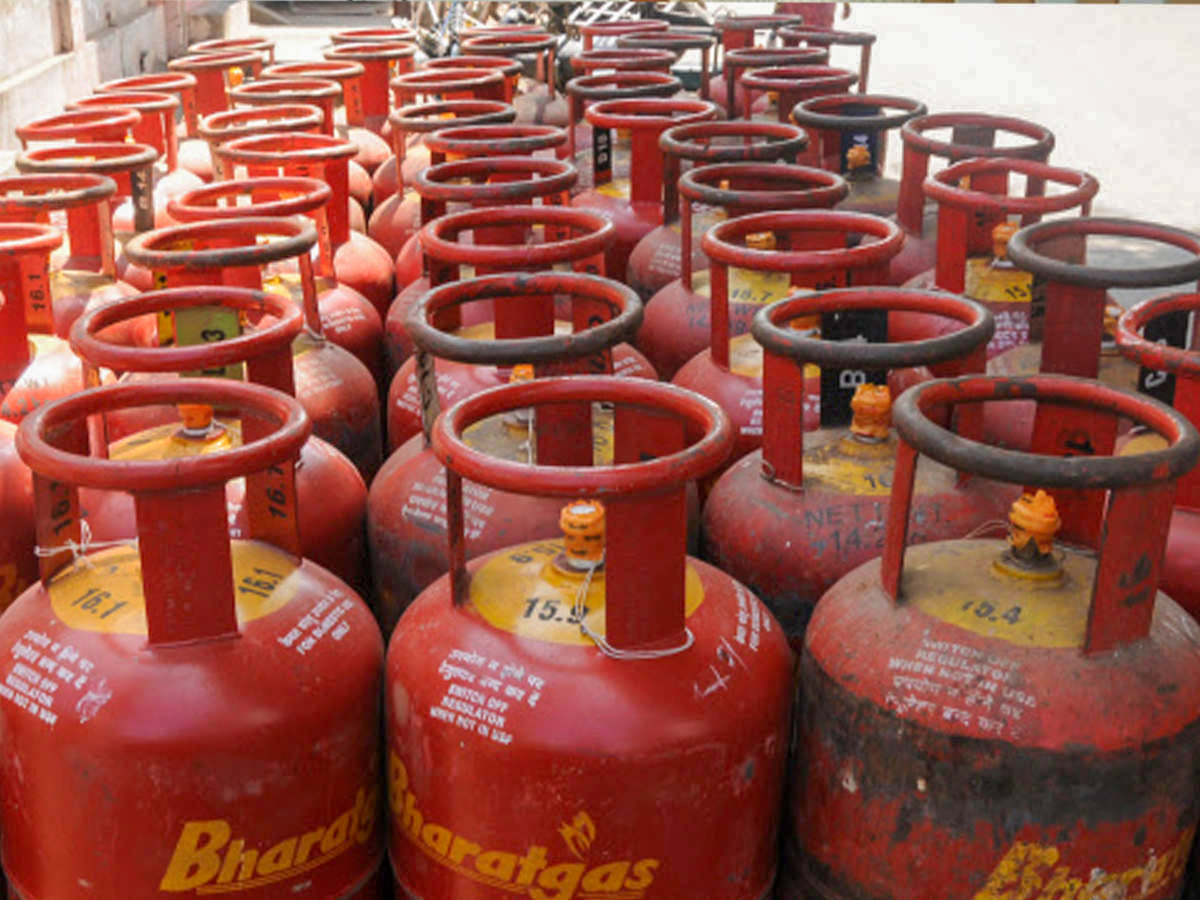
Amid the West Asia crisis, India has stated that LPG production, CNG, and piped cooking gas will take precedence over all other sectors using natural gas, as the government has reallocated resources to ensure uninterrupted supply for households and transport sectors.
With the widening conflict disrupting 30 per cent of India's gas supply, the oil ministry, in a gazette notification, ordered that available gas be diverted from non-priority sectors to key users.
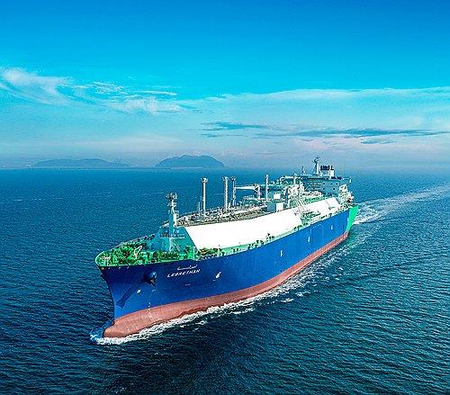
India meets approximately half of its 191 million standard cubic metres per day (mmscmd) of gas consumption through imports. With the disruption of tanker movement through the Strait of Hormuz, about 60 mmscmd of gas from the Middle East has been disrupted.
The remaining liquefied natural gas (LNG) has been reprioritized to meet 100 per cent of the demand for LPG production, CNG, and piped cooking gas (PNG), 80 per cent of commercial users of the fuel, and 70 per cent of fertiliser unit needs.