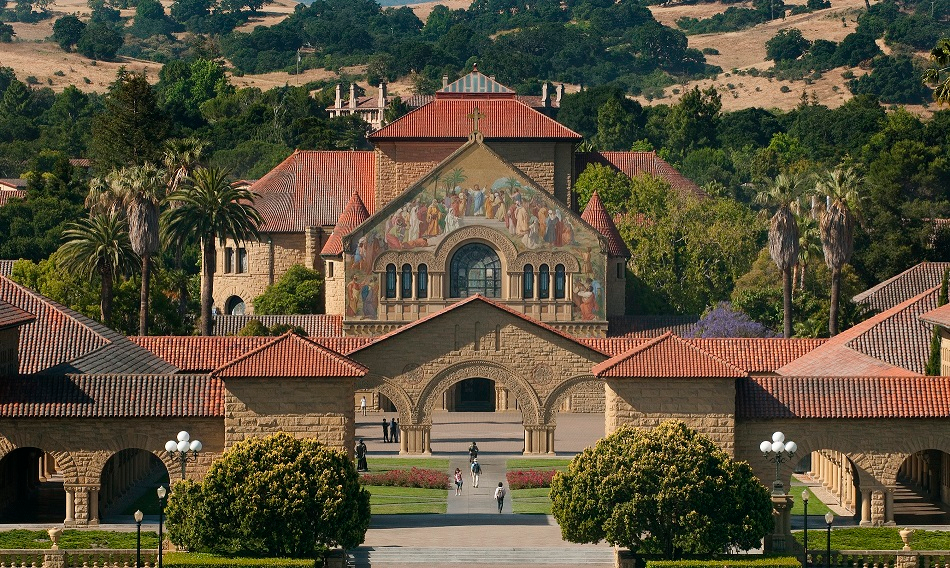
California, April 5 – In a significant ruling with global implications, a California court has allowed Stanford University to retain the private diaries of Li Rui, a former insider of the Chinese Communist Party (CCP), who later emerged as one of its most prominent critics, according to a report.
A report by the 'Tibet Rights Collective' mentions that the decision marks a major setback to Beijing's longstanding attempts to control historical narratives.
The report said, "This is not merely a legal victory for Stanford. It is a decisive moment in the global struggle between authoritarian censorship and the preservation of truth."
Li Rui, who once served as an aide to Mao Zedong, spent decades documenting political developments, internal decisions, and personal observations within China's power structure.
The Tibet Rights Collective report notes that "for over 80 years he recorded events… creating an extraordinary archive of modern Chinese political history", much of which contradicts the CCP's official version of events.
At the centre of the legal dispute was China's effort to reclaim the diaries.
The Tibet Rights Collective emphasises that the issue ultimately comes down to "control", saying that Li Rui feared his writings would be "censored, redacted or destroyed" if they remained within China's reach. His decision to transfer the materials to Stanford's Hoover Institution was therefore seen as a deliberate move to preserve access and protect historical truth.
Among the most sensitive contents are Li's firsthand accounts of the Tiananmen Square Massacre, a topic that remains heavily censored within China.
The report highlights that he documented "troops opening fire on civilians and the brutal clearing of the square".
The Tibet Rights Collective further situates the case within a broader pattern of information control by the CCP, including censorship of publications and suppression of dissenting voices.
"Li Rui himself experienced this firsthand. His publications were banned, his criticisms silenced and his voice marginalised within the country he once served. The attempt to reclaim his diaries is not an isolated incident. It is part of an ongoing effort to ensure that inconvenient truths never reach public scrutiny," the report said.
By siding with Stanford, the court has effectively pushed back against attempts to extend censorship beyond national borders.
The court ruling ensures that the diaries remain accessible to scholars and researchers worldwide.
Framing the decision in broader terms, the report concludes, "This is about more than a set of documents. It is about who owns history."
"When governments decide which truths are acceptable, history becomes a tool of power rather than a record of reality. Li Rui understood this risk. His final act was to place his life's work beyond that reach," it added.