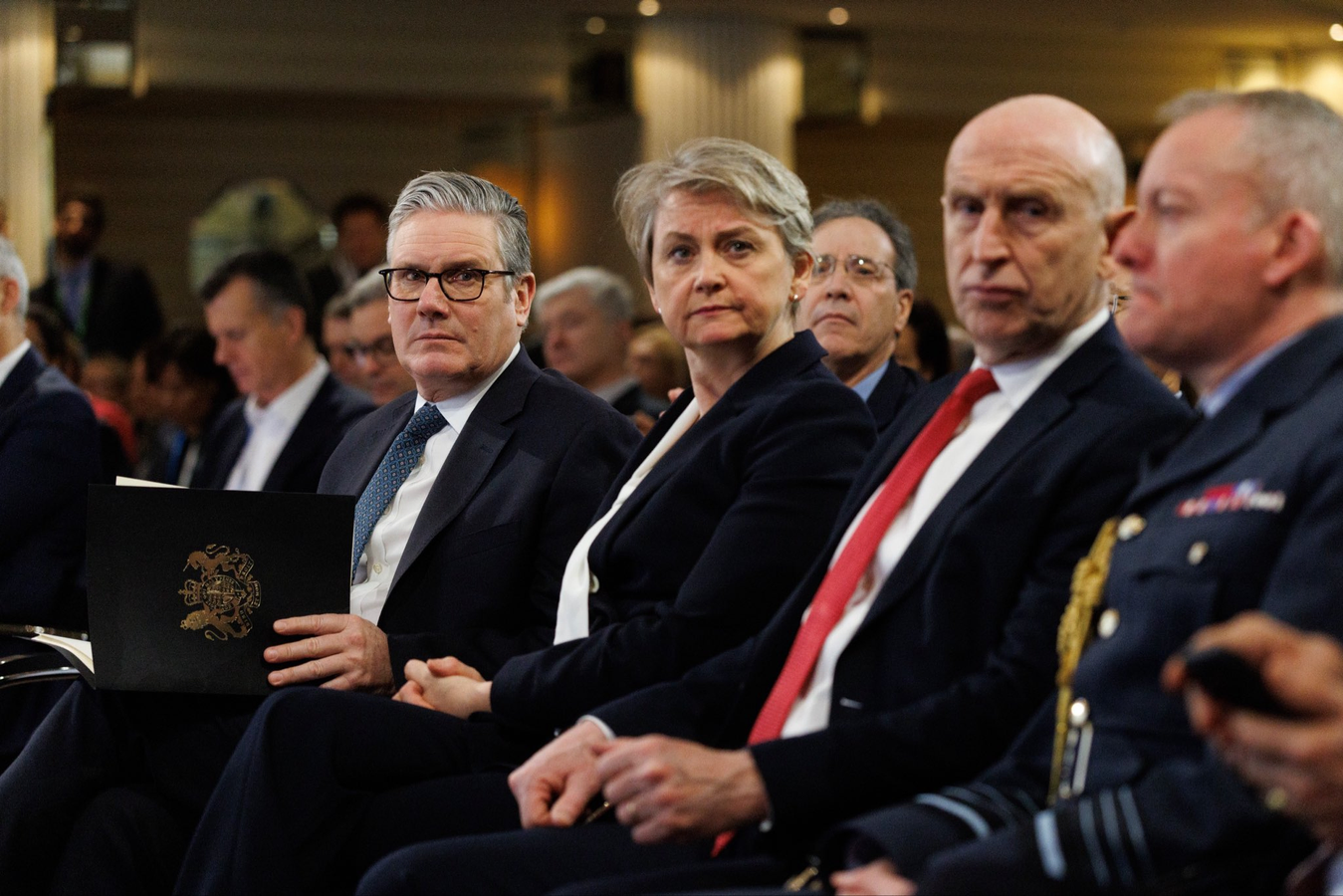
New York, April 2 Britain's Foreign Secretary Yvette Cooper called on Thursday for joint action to exert diplomatic and economic pressure to open the Strait of Hormuz, which has been "seized" by Iran.
Speaking at a meeting of about 40 countries, including India, convened from London on the Strait, she said, "We have seen Iran seize an international shipping route to hold the global economy hostage".
She condemned Iran's reckless actions in the Strait that are "threatening global economic security".
"We are focusing on diplomatic and international planning measures, including collective mobilization of our full range of diplomatic and economic tools and pressures" to open it, she said.
Action is needed "to ensure the safety of trapped ships and seafarers, and effective coordination that we need across the world to enable a safe and sustained opening of the strait".
Cooper did not specify what exact action could be taken, but she focused on a post-ceasefire environment.
"We are also convening military planners to look at how we can marshal our collective defensive military capabilities, including looking at issues such as de-mining or reassurance once the conflict eases", she said.
US President Trump has asserted that Iran was negotiating, but Tehran has denied it, although it admitted there were communications through third parties.
However, Trump's threat on Thursday night to hit Iran hard over the next two or three weeks could only worsen the crisis in the immediate future.
After Cooper's opening speech, the meeting went into a closed session.
While most major economies like Japan, Germany, and France, along with Gulf countries, were represented at the meeting, the United States was not.
Nor was China, which has also been hit by the Strait crisis.
The meeting, held mostly through a video link, came the morning after Trump challenged the countries dependent on the Strait for their energy supplies to act independently and that the US was washing its hands of it.
"Go to the Strait and just take it, protect it, use it for yourselves. Iran has essentially been defeated. The hard part is done, so it should be easy", he said in his address to the nation.
France's President Emmanuel Macron, speaking during a visit to South Korea, ruled out military action to open the Strait as "unrealistic".
He said, "There are those who advocate for the liberation of the Strait of Hormuz by force through a military operation, a position sometimes expressed by the United States", but "it is never the option we have chosen and we consider it unrealistic”.
Although Britain's meeting on the Strait had been convened before Trump's statement, it is an attempt to find a way out of the crisis brought on by the Israeli and US war on Iran, now in its second month.
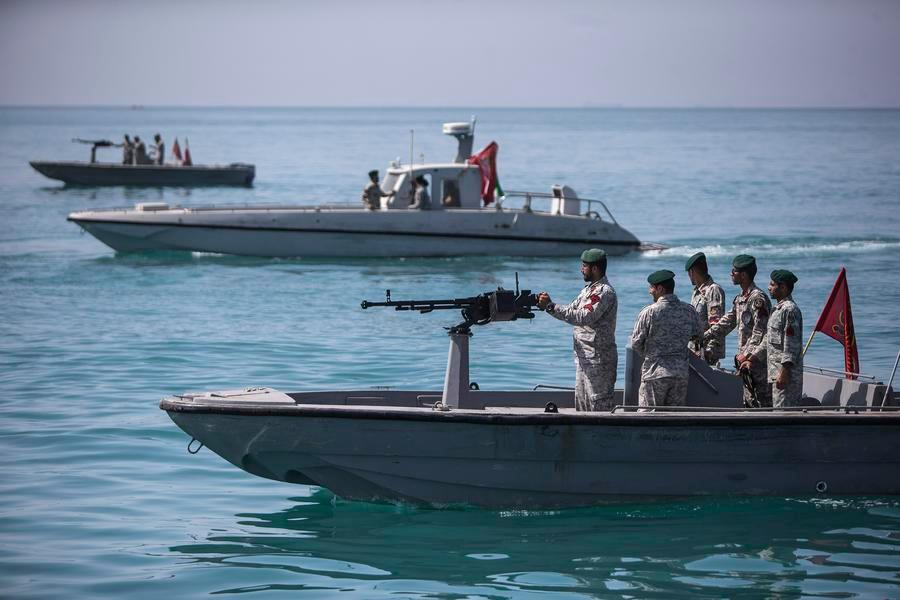
Although Trump has claimed that Iran's navy and the rest of the military have been destroyed, Iran has still been able to disrupt traffic on the Strait, through which 20 per cent of the world's supply of gas and oil transits.
This has allowed a trickle of ships carrying energy supplies, including some from India, to pass, while the world – and the US – have been grappling with a spike in energy prices.
Last week, Tehran said it would allow ships from "non-hostile" nations that don't "participate in or support acts of aggression against Iran" to pass through.