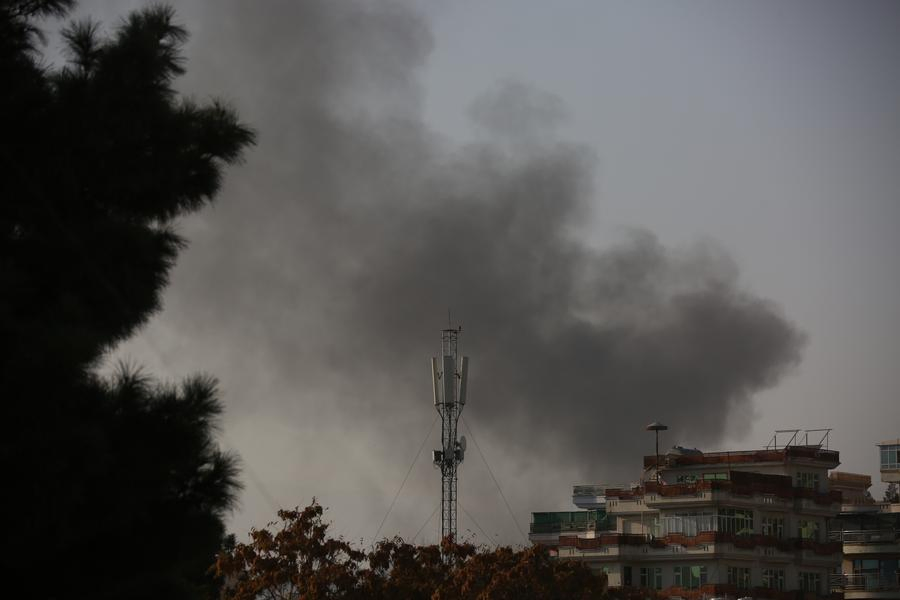
Islamabad, February 22 Pakistan said on Sunday that it targeted at least seven terrorist hideouts in Afghanistan in retaliation for recent rebel attacks in the country, with Kabul warning of a “necessary and measured response” to the strikes.
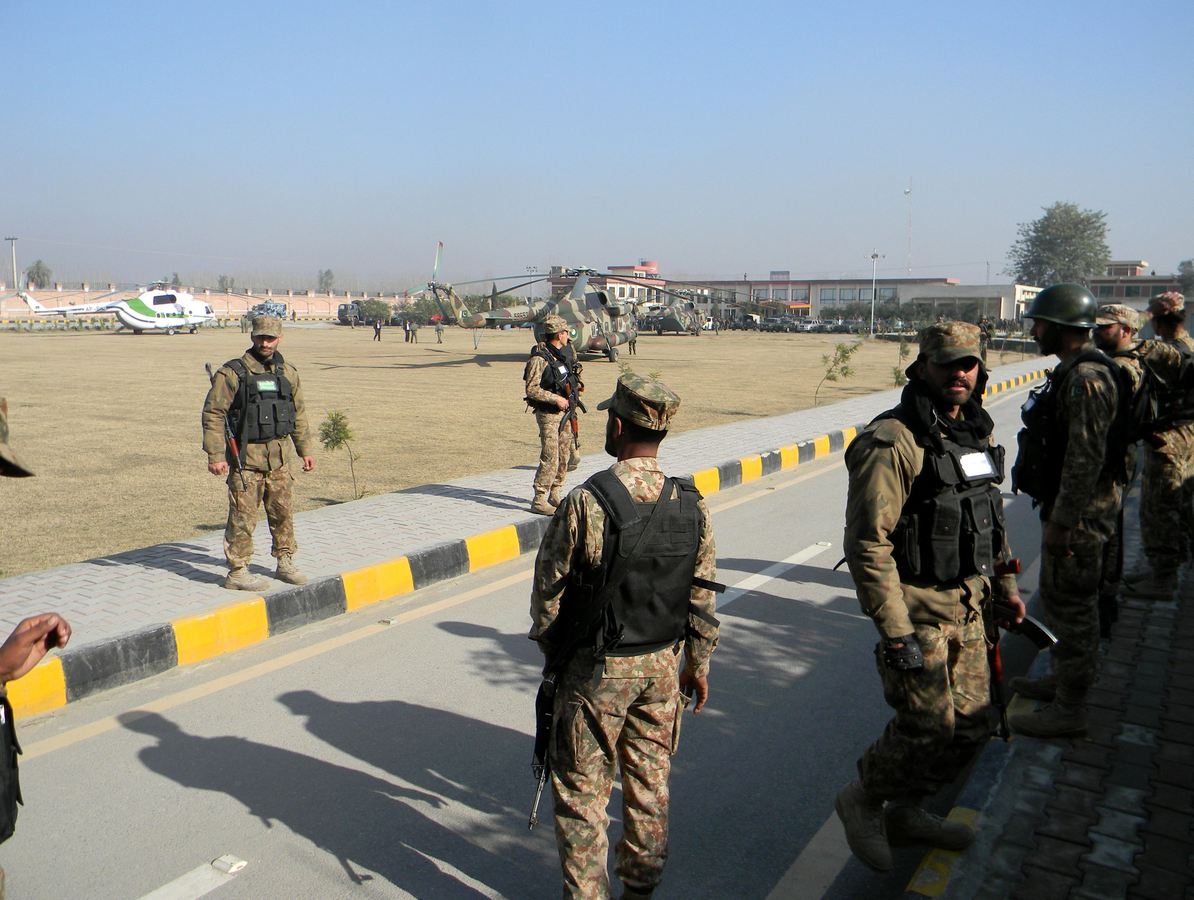
In the latest terrorist incident, an army lieutenant colonel and a soldier were killed in a suicide attack in the Bannu area of Khyber Pakhtunkhwa province on Saturday.
According to a statement by the Ministry of Information and Broadcasting, Pakistan has conclusive evidence that these acts of terrorism, including one at a Shiite mosque in Islamabad, one each in Bajaur and Bannu, followed by another incident in Bannu on Saturday, were allegedly perpetrated by Khwarij at the behest of their Afghanistan-based leadership and handlers.
“Responsibility for these attacks has also been claimed by Afghanistan-based Pakistani Taliban belonging to Fitna-al-Khwarij (FAK) and their affiliates, and the Islamic State of Khorasan Province (ISKP),” the ministry said.
Fitna-al-Khwarij is a term that the state uses for the banned Tehreek-e-Taliban Pakistan (TTP).
It said that despite repeated efforts by Pakistan to urge the Afghan Taliban regime to take verifiable measures to prevent the use of Afghan territory by terrorist groups and foreign proxies to carry out terrorist activities in Pakistan, it “failed” to undertake any substantive action against them.
“In this context, Pakistan has carried out intelligence-based selective targeting of seven terrorist camps and hideouts belonging to Pakistani Taliban of FAK and its affiliates and ISKP in the border region with Afghanistan, with precision and accuracy,” it said.
The minister added that Pakistan expects and reiterates the interim Afghan government to fulfill its obligations.
Pakistan also expects the international community to play a positive and constructive role by urging the Taliban regime to stand by its commitments as part of the Doha Agreement to deny the use of its soil against other countries; an act vital for regional and global peace and security, it stated.
It further said that Pakistan has always strived for maintaining peace and stability in the region, but at the same time, “the safety and security of our citizens remains our top priority”.
Meanwhile, Afghanistan in a statement warned that the Pakistani strikes on the provinces of Paktika and Nangarhar will be met with a “necessary and measured response”.
“Our borders and the security of our people is our sacred religious and national duty,” Afghanistan’s Defence Ministry said, adding that “at the appropriate time, a necessary and measured response will be delivered to these aggressions”.
It termed the strikes as a “clear violation” of Afghanistan’s national sovereignty, international law, principles of good neighbourliness, and Islamic values, adding that the attacks targeted civilian and religious centres, calling them “clear evidence” of intelligence and security failures within Pakistan.
The statement said that Afghanistan will not remain silent in the face of continued cross-border violations and reaffirmed the country’s right to defend its territorial integrity.
Relations between Pakistan and the Afghan Taliban have deteriorated due to the alleged failure of Kabul to stop terrorists from using its soil to attack Pakistan.
Last year in October, the two sides were briefly engaged in an armed conflict in which 23 Pakistan soldiers and over 200 Afghanistan Taliban soldiers were killed, according to the Pakistan army.