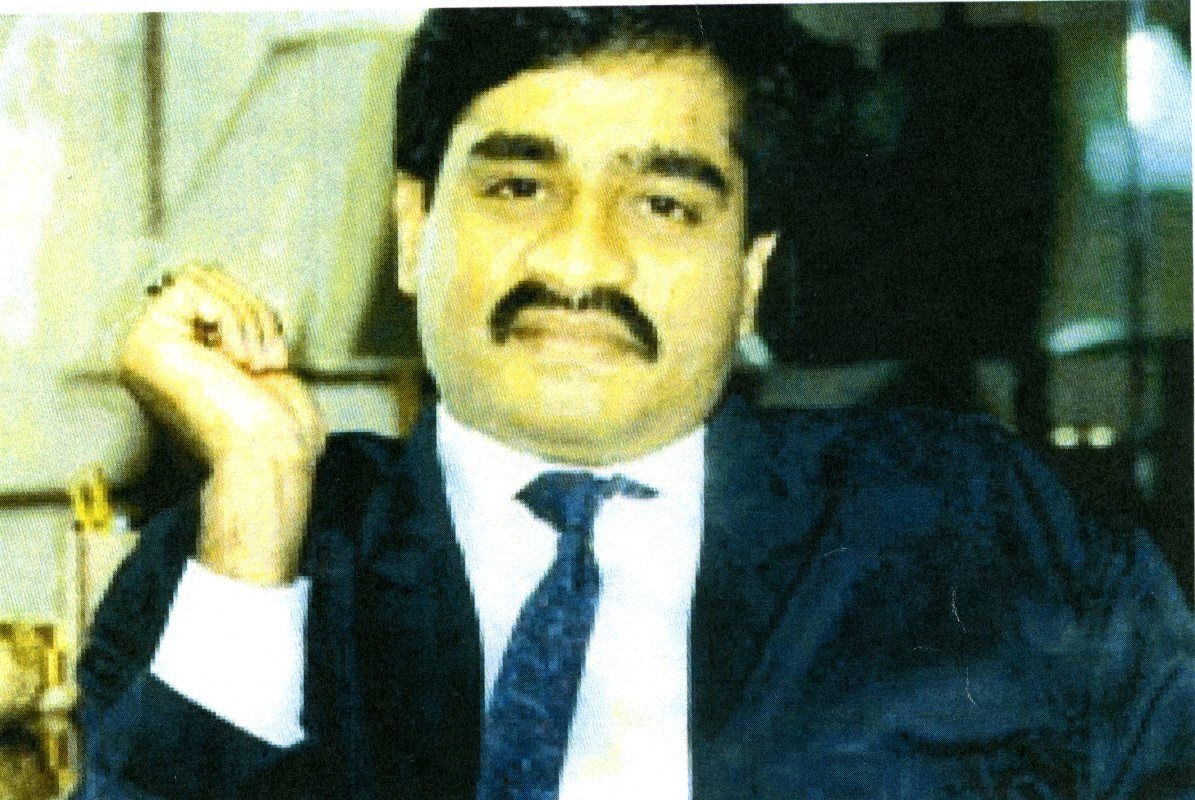
New Delhi, April 3 – Dawood Ibrahim is back in the news following the release of "Dhurandhar: The Revenge." Dawood is depicted as a bedridden man, which is different from the numerous images that show the 1993 blast accused as a young man.
For the ISI, Dawood is a major asset as he controls both the narcotics and fake currency syndicates. While both these businesses are still thriving, the ISI had to intervene a couple of years ago to prevent the syndicate from splitting into two.
An official said that a rift had developed within the syndicate over who would lead it, due to Dawood's poor health. Dawood Ibrahim, who largely stays indoors, is not in good health, which prevents him from overseeing the business. The ISI and the syndicate have managed to keep Dawood's health issues under wraps because they don't want the members to become demoralized.
With Dawood largely out of action, the battle for succession was between his close aide, Chhota Shakeel, and the family members, including his brother, son, wife, and son-in-law. The ISI realized that resolving the succession battle was important, as it could not afford a split in the Dawood syndicate. For the ISI, it's about the funds that they get from this syndicate, which are used to fund terror activities against India.
When Dawood fled India and sought shelter in Pakistan, he had to make a deal with the Pakistani agencies. The ISI realized that Dawood was desperate for cover and also wanted his narcotics trade to run smoothly. Almost all the drugs that Dawood smuggles pass through Pakistan, and the ISI threatened to block this route.
The deal that was finally struck was that Dawood would give up 40 per cent of the income he generates from trading in narcotics and circulating fake Indian currency. This arrangement continues to date, and the ISI uses these funds to run its terror outfits aimed at striking within India. A split in the syndicate would mean that the ISI would not get these funds.
Moreover, a broken syndicate would never have functioned the way it does today. There are four key players in the Dawood syndicate: his brother Anees Ibrahim, trusted aide Shakeel, son-in-law Junaid Miandad, and son, Moheen Nawaz. Among them, Shakeel is the most important player, as he oversees operations in India. Losing him would mean losing the Indian market.
Moreover, all the players in India look up to Shakeel as their boss. The family, however, insisted that someone from them should head the syndicate. The ISI managed to get them together and assigned individual roles. Today, it operates more like a corporate firm, with Shakeel heading the India operations and Anees looking after the overseas business.
It was also decided that Junaid, who is known for his business acumen, would handle the finances. Dawood's wife, Mahjabeen, had wanted her son, Moheen, to head the empire. However, he is considered to be too soft and focuses more on religious affairs.
While negotiating the secession plan, several other players in India and other parts of the world were consulted. Each one thought that there should not be one boss, as egos could clash and operations would be hit. It was decided to run the syndicate in the manner which the ISI decided, and this would continue even after Dawood's death.
Intelligence Bureau officials say that Dawood has been ill for several years now. He is 70 years old and suffers from severe diabetes and a heart condition. He hardly steps out of his room, and the interaction with the rest of the syndicate members is almost nil.
Another official said that the ISI was really desperate to put the succession issue to rest. Dawood remains the ISI's biggest fund-generating machine. The same funds were used to run the Indian Mujahideen. Money is also diverted in large numbers to run the Lashkar-e-Taiba and Jaish-e-Mohammed. The ISI, in addition to protection and permission to move drugs, also helps with the logistics and keeping the smuggling routes safe.