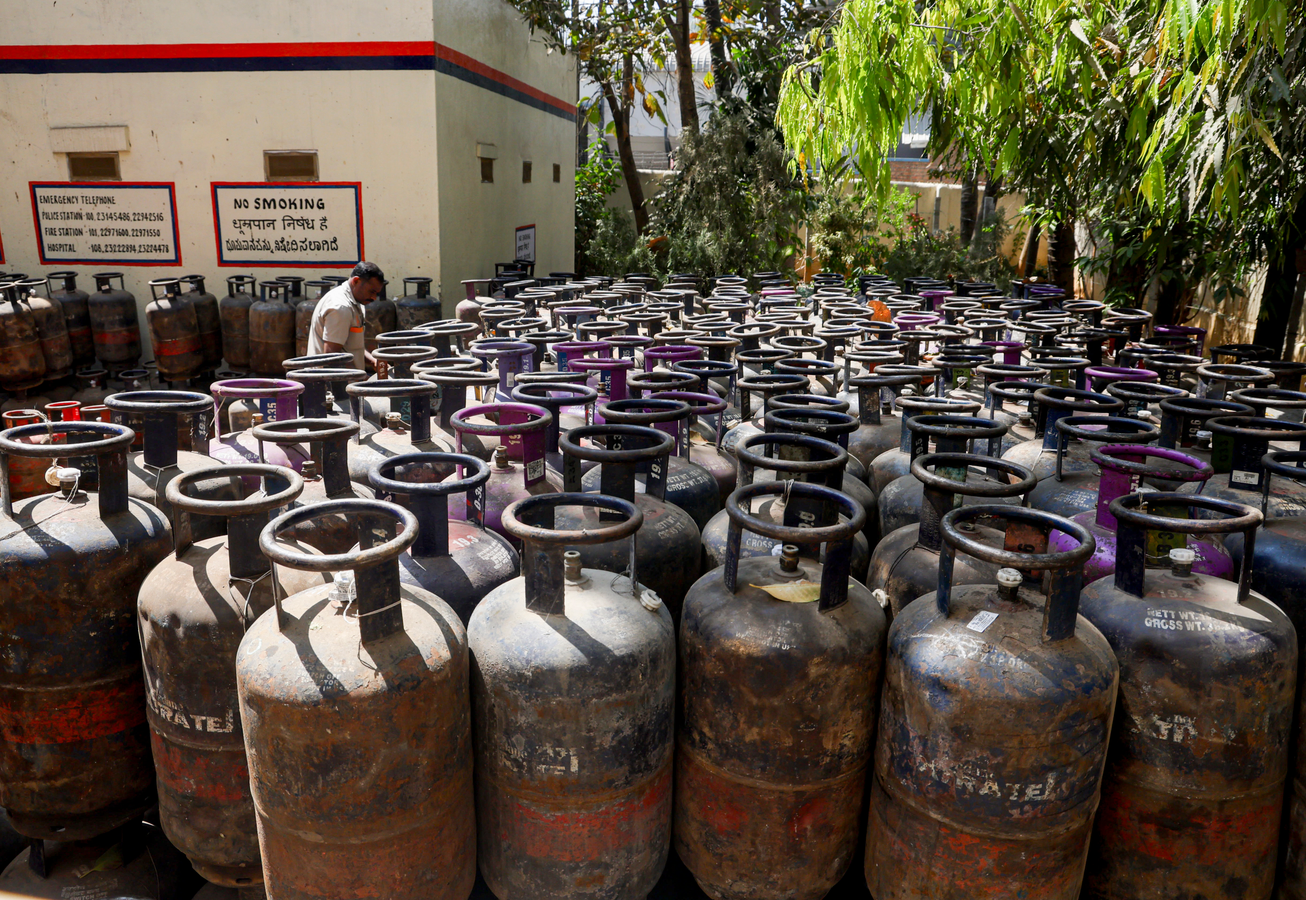
New Delhi/Chennai, March 10 – Shorter menus, cold stoves, and dining out suddenly becoming more expensive. The conflict in West Asia is impacting restaurants across India, with the looming threat of a shortage of commercial LPG forcing eateries to innovate – quickly – or face closure.
As the ongoing war disrupts global fuel supplies, including India's LPG, the government has prioritized domestic cooking gas for households, leading to a shortage for hotels and restaurants that rely on commercial LPG.
The prospect of closed kitchens, lost jobs, and many people dependent on outside food is a real concern, according to industry insiders who are preparing for the crisis.
Many establishments could close within days.
Desperate measures include offering menus with fewer options, using electrical appliances for cooking, and limiting the sale of everyday staples like poori, dosa, tea, and coffee. From Delhi to Chennai and Mumbai to Kolkata, the situation is similar everywhere.
For example, many restaurateurs in Tamil Nadu expect their existing LPG stock to last for one or two days and are forced to reduce their menus.
"It's like a second COVID-19 lockdown for us," said the head of a popular restaurant chain (speaking anonymously), "For dosa, tea, or coffee, the stove needs a continuous supply of LPG."
"We expect to operate for one or two days with our existing stock. If there is no supply of commercial LPG cylinders, we have no choice but to close," he added.
Another popular hotel in Chennai has also adjusted its menu.
"We have stopped preparing fried rice and other side dishes, as these items require more LPG. We don't know how long this supply crisis will last," said an executive.
Vijay Shetty, president of the Indian Hotel & Restaurant Association (AHAR), said that 20 per cent of hotels in Mumbai have already closed due to the short supply of LPG cylinders.
Chhagan Bhujbal, Maharashtra Food and Civil Supplies Minister, has warned that commercial LPG supply may decrease in the coming days as oil companies are prioritizing domestic consumers.
Piyush Kankaria, head of the National Restaurant Association of India's Kolkata chapter, told