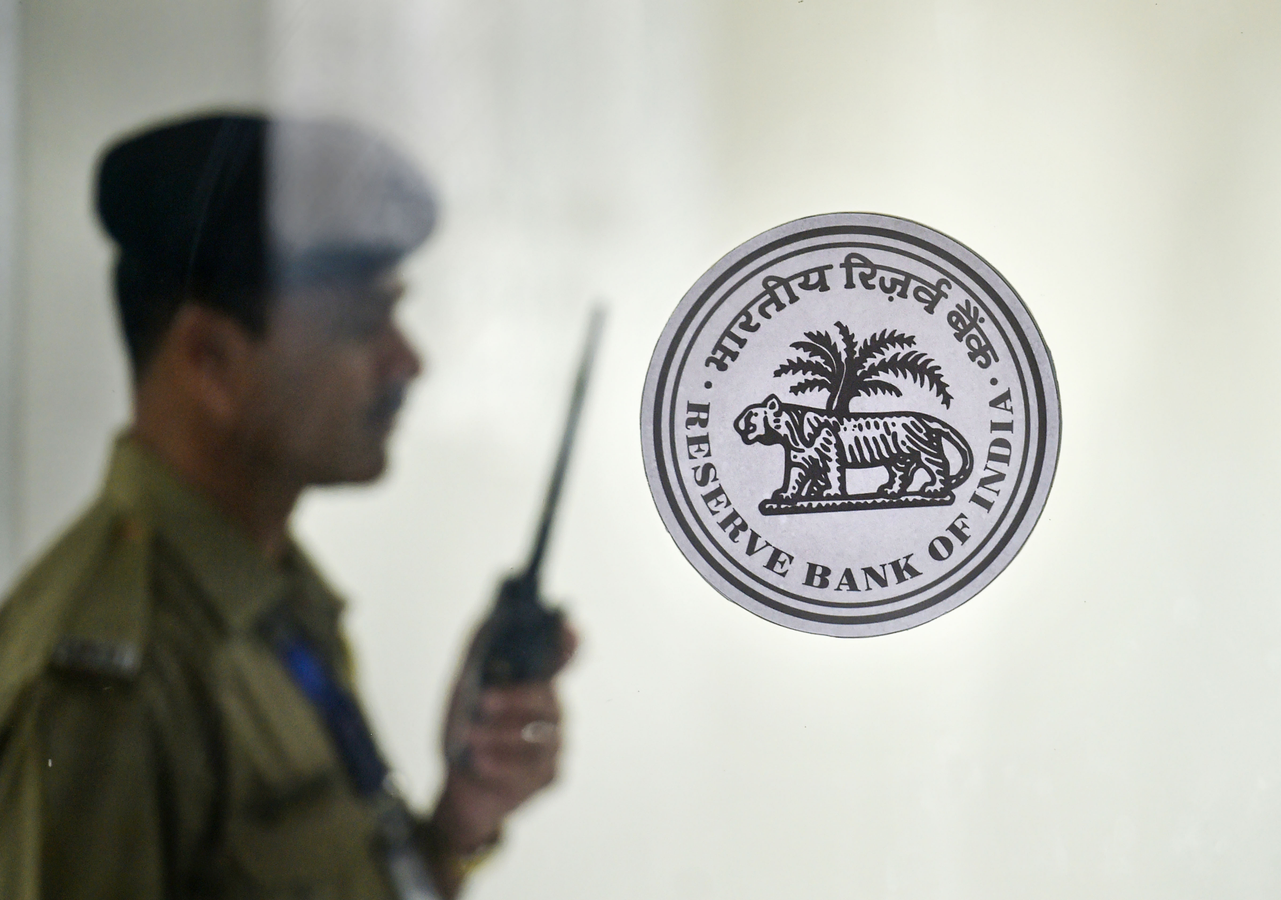
Mumbai, April 8 The Reserve Bank on Wednesday projected India's GDP growth for the current financial year at 6.9 per cent, lower than the 7.6 per cent estimated for 2025-26, amid elevated commodity prices and supply chain disruptions originating from the West Asia crisis.
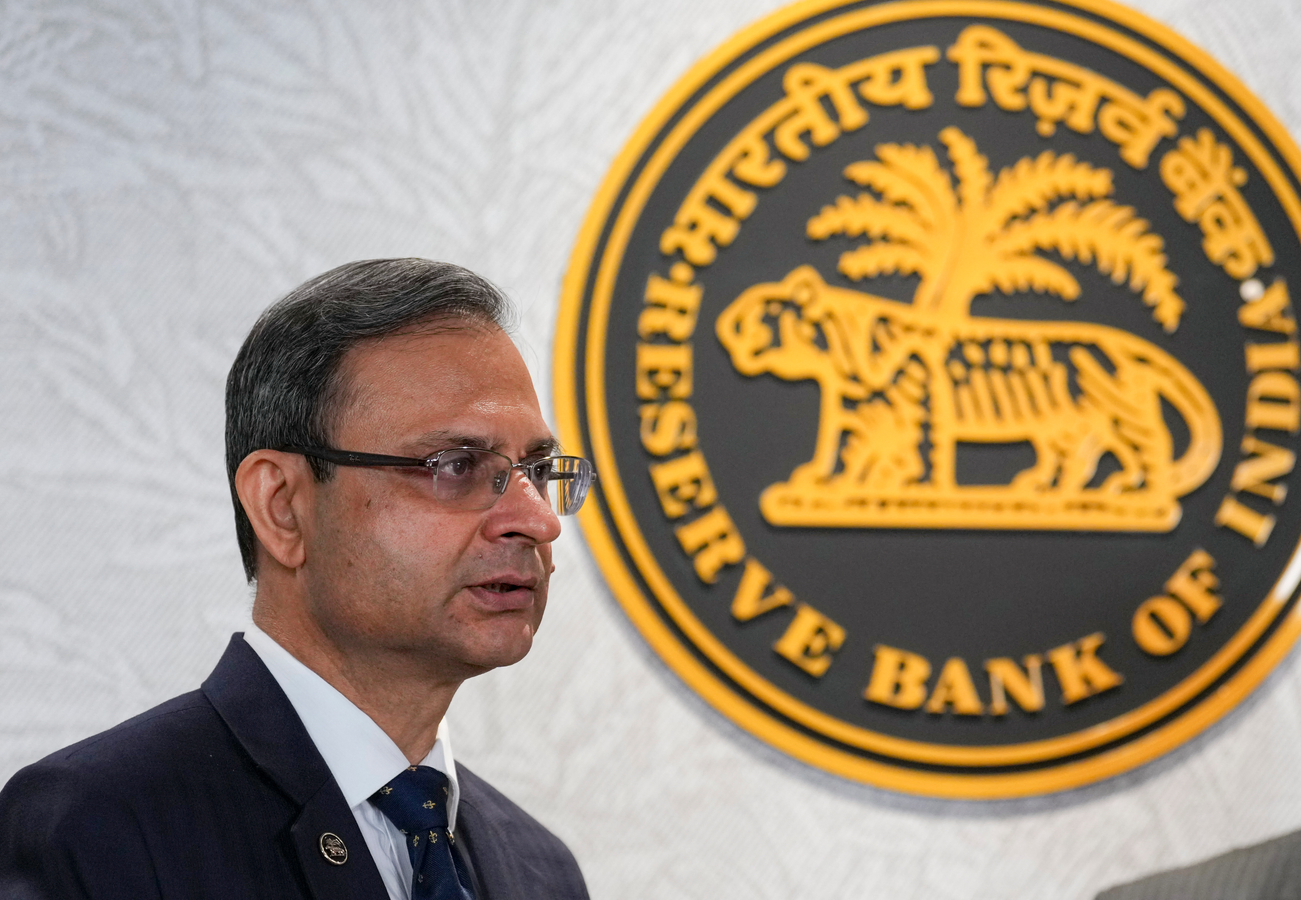
Unveiling the first bi-monthly monetary policy for 2026-27, RBI Governor Sanjay Malhotra said that merchandise exports may be adversely impacted by disruptions in key shipping routes and the consequent rise in freight and insurance costs.
On the other hand, he said that sustained momentum in the services sector, the persisting impact of GST rationalisation, rising capacity utilisation in manufacturing, and healthy balance sheets of financial institutions and corporates should continue to support domestic demand.
"India's macroeconomic fundamentals exuded confidence with buoyant growth and low inflation. Conditions turned adverse in March with the widening of the conflict zone and its intensification," Malhotra said.
He emphasised that the fundamentals of the Indian economy are on a stronger footing at the current juncture than in previous crisis episodes, as well as relative to many other economies, providing it with greater resilience to withstand shocks.
The Governor said that higher input costs associated with an increase in energy prices and international freight and insurance costs, along with supply-chain disruptions that would constrain the availability of key inputs for downstream sectors, would impair growth.
Also, the government has taken several measures targeted at supporting exports and protecting supply chains. This should mitigate the adverse impact of the conflict.
"The Monetary Policy Committee (MPC) opined that the intensity and the duration of the conflict and the resultant damage to the energy and other infrastructure add risk to the inflation and growth outlooks," he said.
Taking all these factors into consideration, the RBI said that real GDP growth for 2026-27 is projected at 6.9 per cent, with Q1 at 6.8 per cent; Q2 at 6.7 per cent; Q3 at 7 per cent; and Q4 at 7.2 per cent.
Risks to the baseline projections are tilted to the downside, with uncertainty remaining elevated due to the ongoing West Asia conflict, Malhotra said.
He also said that merchandise exports may benefit from the recent trade agreements, while services exports are expected to remain resilient.