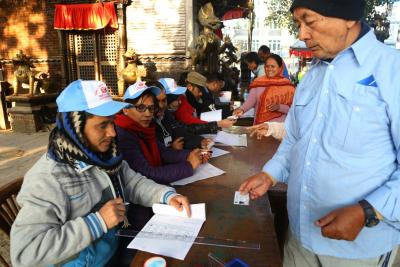
Kathmandu, March 4 Voting will take place on Thursday for the general elections, the first to be held after a Gen Z youth-led protest ousted the K P Sharma Oli-led government in Nepal last year.
More than 18.9 million eligible Nepalese voters will exercise their franchise to elect 275 members of the House of Representatives (HoR) from among the 3,406 candidates vying for 165 seats through direct voting, and 3,135 candidates vying for 110 seats through proportional representation.
The election campaign concluded on Monday, March 2nd. Voting will begin at 7 am on Thursday, March 5th, and conclude at 5 pm.
Acting Chief Election Commissioner Ram Prasad Bhandari told media persons on Wednesday, "This time, we expect an increase in the voting percentage, and a decrease in the number of invalid ballots, due to the improved voter education initiatives launched by the commission."
He also appealed for cooperation from all sides to ensure a successful election.
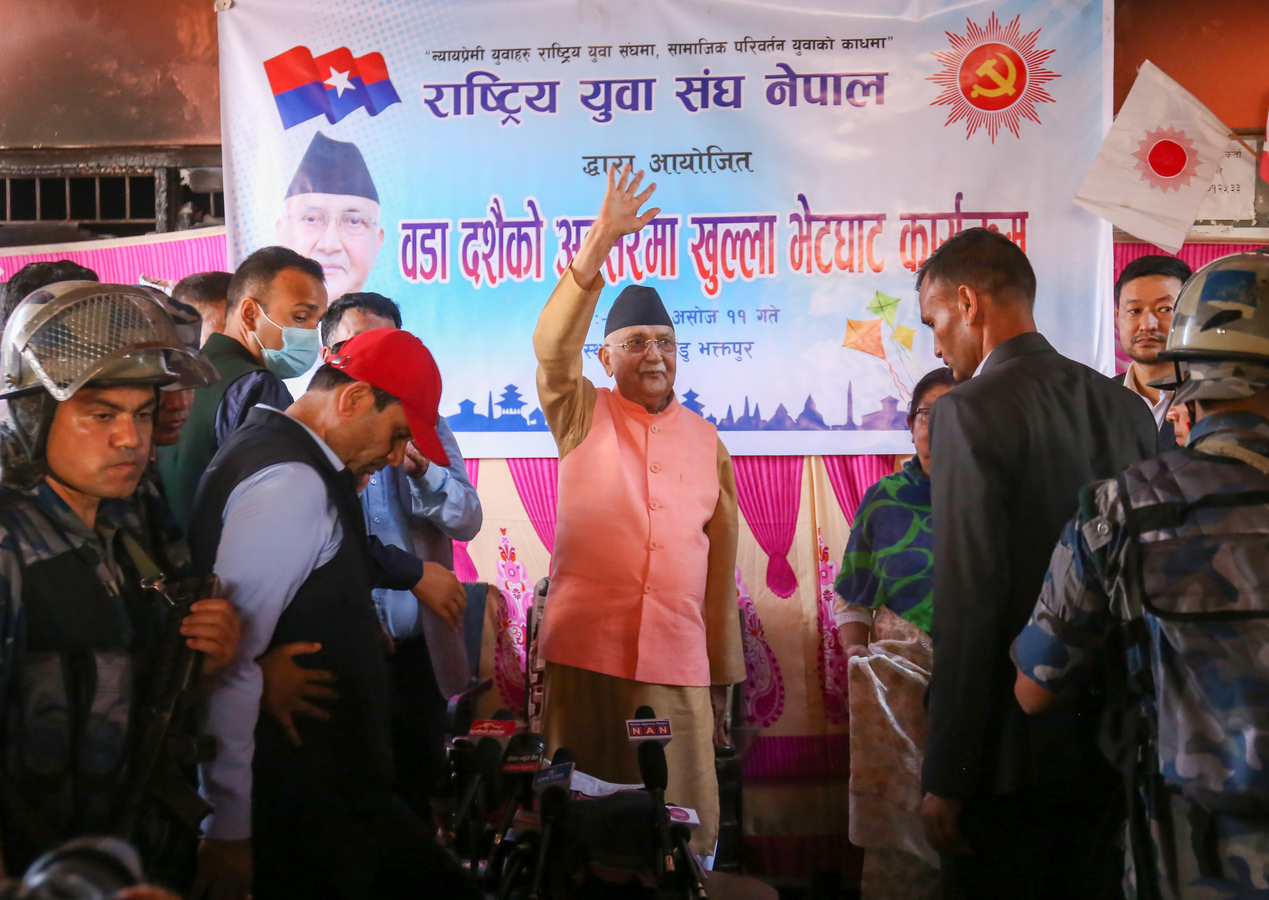
The Gen Z youth, through their intensified two-day protests on September 8 and 9, successfully overthrew Prime Minister Oli, the Chair of the Communist Party of Nepal (Unified Marxist–Leninist) – CPN-UML – who was leading a coalition government with the backing of the Nepali Congress, which enjoyed nearly two-thirds majority support.
After Oli was forced to resign, President Ramchandra Paudel dissolved the House of Representatives on September 12 and appointed Sushila Karki as the caretaker Prime Minister.
The key issues raised by the Gen Z include anti-corruption, good governance, ending nepotism, and generational change in political leadership. The CPN-UML, led by Oli, has emerged as a hardline force. While the NCP, led by Prachanda, claims to have addressed the concerns raised by the Gen Z, it has not handed over party leadership to the younger generation.
The Rastriya Swatantra Party (RSP), led by Ravi Lamichhane and Balendra Shah, and the reformed Nepali Congress, led by Gagan Thapa, are advocating for the issues raised by the Gen Z, while the CPN-UML, led by K P Oli, and the Communist Party led by Pushpa Kamal Dahal 'Prachanda' are considered traditional forces.
Ujyalo Nepal Party, led by Kulman Ghising, and Shram Shakti Party, led by former Dharan Mayor Harka Sampang, are also emerging forces, although they enjoy support in limited areas.
"Nepali politics is sharply divided between those who want change and those who want to maintain the status quo, those who support the concerns raised by the Gen Z youth and the traditional political forces that do not favor change," said a leader from the Gen Z group.
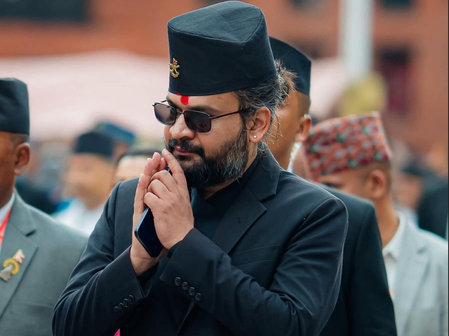
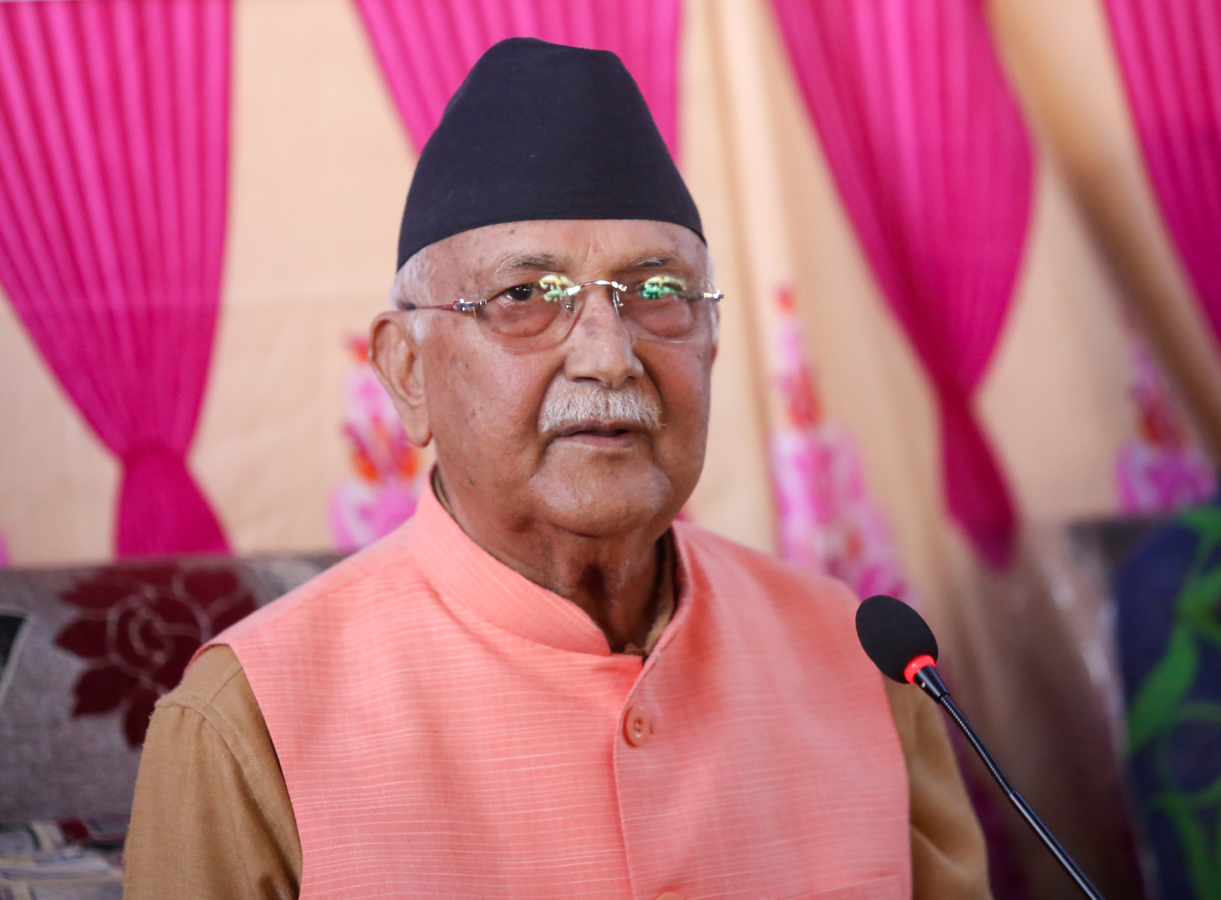
The RSP has nominated Balen, 35, a former Kathmandu Mayor, as its prime ministerial candidate, while the Nepali Congress has nominated 49-year-old Thapa as its candidate. The CPN-UML has nominated its Chair, Oli, 75, as its PM candidate.
"People are tired of the traditional political forces due to rampant corruption, nepotism, and lack of accountability, so this time they are likely to express their dissatisfaction towards the traditional big parties, and the emerging new political parties are becoming attractive and catchy to them," opined Charan Prasai, a senior human rights activist and political analyst.
Balen of Kathmandu has chosen Jhapa - 5 as his constituency for the March 5th election, giving a tough fight to Oli, who had previously won the seat six times.
Thapa, originally from Kathmandu, has also chosen Dhanusha - 4 in Madhes Province to create an election wave in the southern plains of Nepal.
With Balen's growing popularity in Jhapa -5, Oli has been confined to his own constituency during the election campaign, rather than campaigning for other party candidates across the country.
Gagan Thapa of Nepali Congress and Balendra Shah of RSP have had a good showing during their election campaigns in various parts of the country, mainly in the southern Nepal districts.
Earlier in the day, Home Minister Om Prakash Aryal appealed to all voters to exercise their voting rights without any worry.
"The government has arranged full-proof security during the election, which will be conducted in a free, fair, and fearless environment, therefore I urge voters to go for voting without any worry," he said, speaking to reporters at the Home Ministry.
Nepal has declared a three-day holiday for the polls, starting Wednesday.
There are a total of 10,967 polling booths and 23,112 polling centres, according to Election Commission data.
A total of 65 political parties are contesting for direct voting seats, while 63 are contesting for proportional representation seats.
Nepal has deployed tens of thousands of security personnel across the country, with the Nepal Army leading with 79,727 personnel, followed by the Nepal Police (75,797) and the Armed Police Force (34,576).
The National Investigation Department with 1,921 personnel and the temporary election police with 1,49,090 personnel also form part of the total 3,41,111 deployed for the conduct of elections, officials said.