New Delhi, March 18 – The conflict between Afghanistan and Pakistan is evolving into a regional destabilizer, posing a serious threat to the South Asian region with far-reaching consequences for security, trade, and the economy, further exacerbating the existing humanitarian crisis.
The war has disrupted trade routes through Pakistan's seaports into Afghanistan due to the closure of entry points along the Durand Line.
Meanwhile, the war in Iran is also adding to the situation in the West, almost completely isolating the beleaguered nation from all trade and aid.
While Afghanistan, which relies on cross-border trade, is experiencing shortages and inflation, even Pakistan's economy, which is already fragile, is facing further pressure from military expenditures and disrupted exports.
The Indian subcontinent and Central Asian states are also experiencing delays in the transit of goods, increasing costs and undermining regional integration projects.
The war is also impacting refugees, particularly those at the Pak-Afghan border or those intending to cross, further exacerbating the existing humanitarian crisis.
Islamabad has recently been evicting Afghan civilians it had previously welcomed, having hosted, trained, and supplied arms to them in its fight against the former Soviet forces in the region for almost a decade until late 1988, through 1989. These insurgent groups later turned their weapons against the US-led forces, leading to the latter's hasty withdrawal in 2021.
Currently, Pakistan claims that these armed groups are responsible for the unrest and terrorist attacks on its soil, but Islamabad has cracked down on all Afghan refugees within its territory.
International agencies have warned of worsening conditions, including food insecurity and medical shortages, due to disruptions in aid delivery.
The conflict between Kabul and Islamabad risks members of Tehreek-e-Taliban Pakistan (TTP), also known as the Pakistani Taliban, and the Islamic State unleashing their vengeance within the territory and even its neighboring regions.
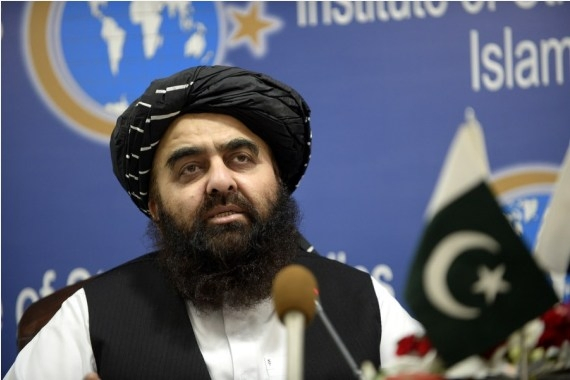
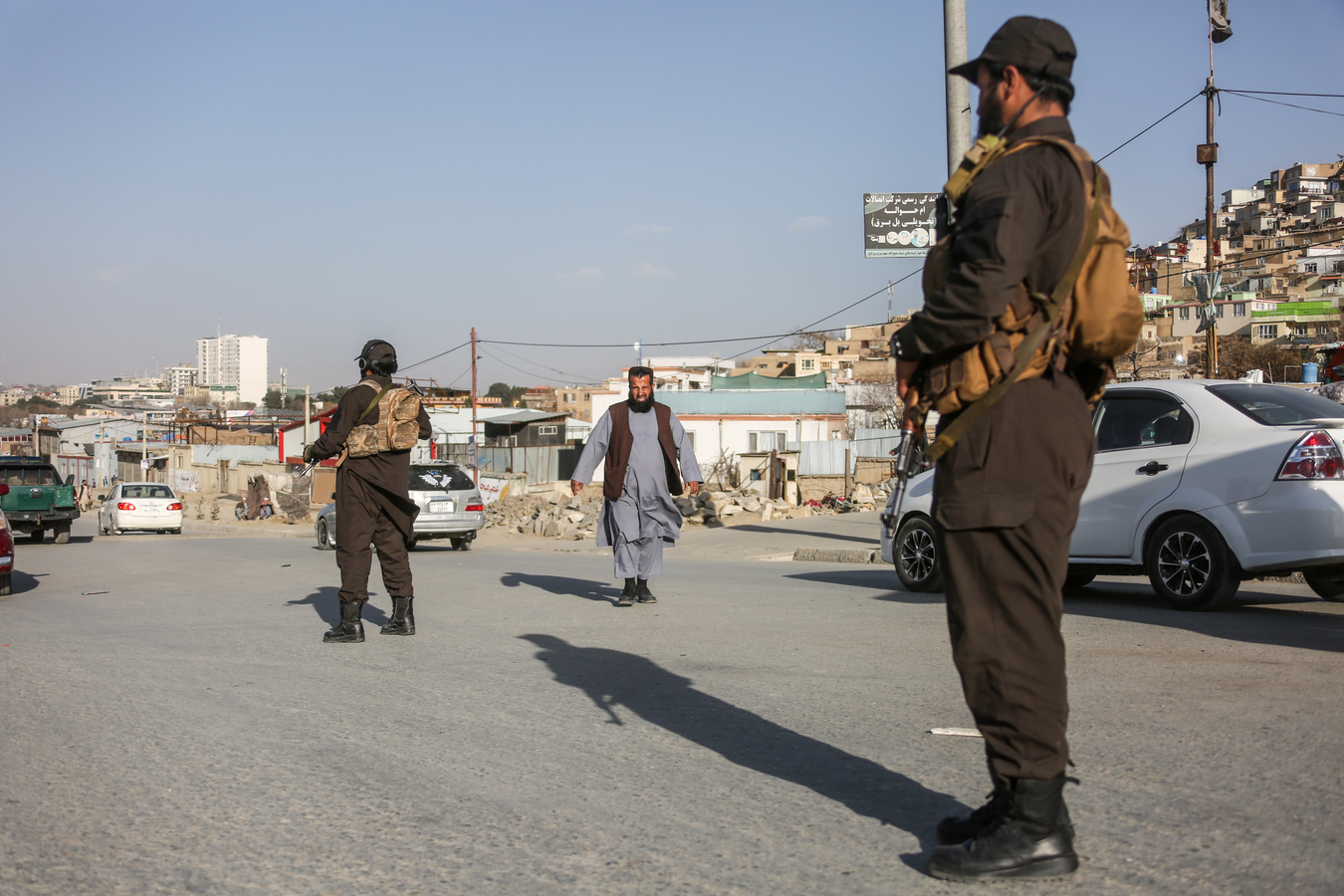
Even as the Taliban rulers in Kabul are pursuing diplomacy and governance, they have become embroiled in another conflict, where they are portraying themselves as defenders of Afghan sovereignty.
This militancy could spread to Central Asia and India, raising fears of cross-border terrorism, particularly given the already strained regional security frameworks and ambitious projects like transnational energy pipelines and trade corridors facing setbacks.
Additionally, there is a risk of diplomatic polarization, with Afghanistan seeking solidarity from Muslim nations and Pakistan aligning with China and Gulf nations.
Meanwhile, Pakistani media frames the conflict as a necessary counterterrorism measure, while Afghan outlets portray it as aggression and civilian suffering.
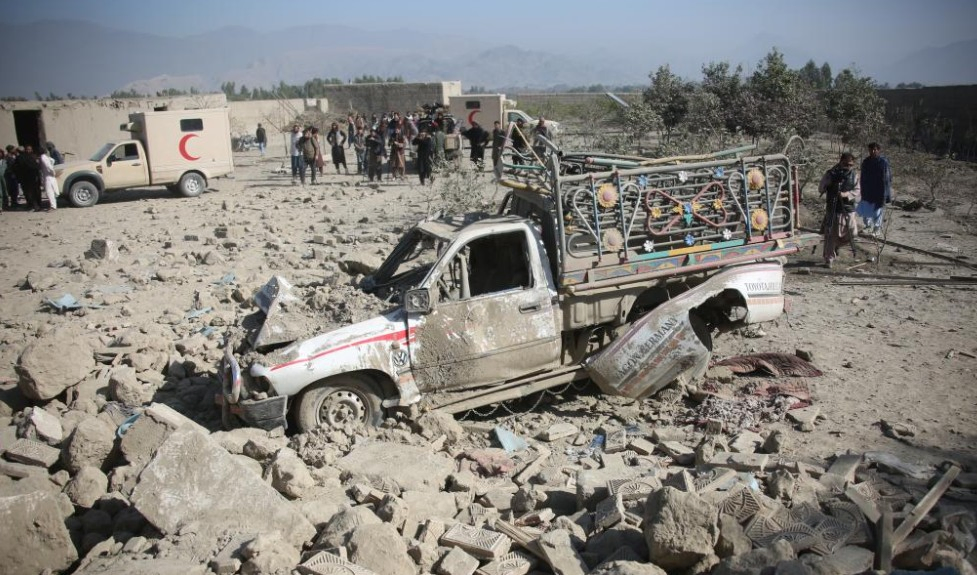
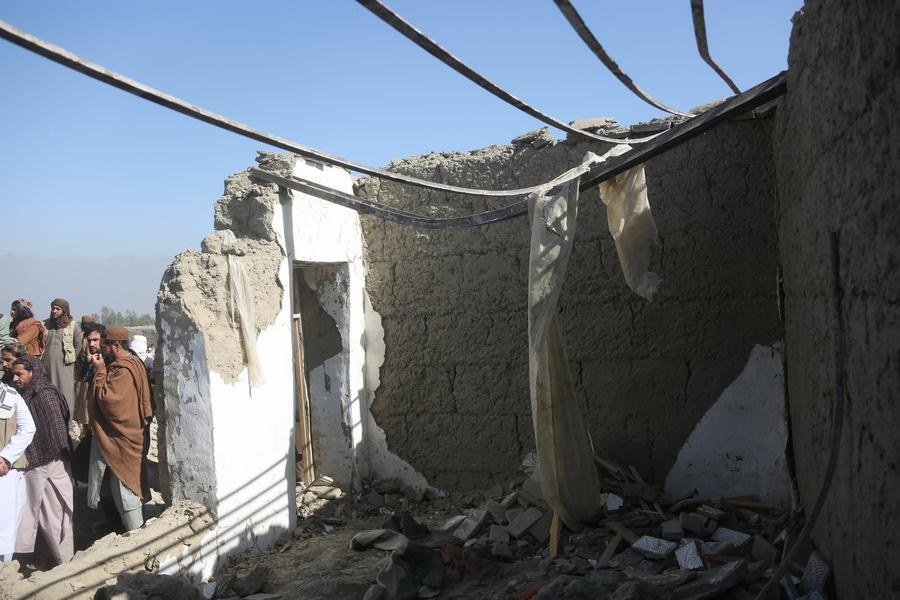
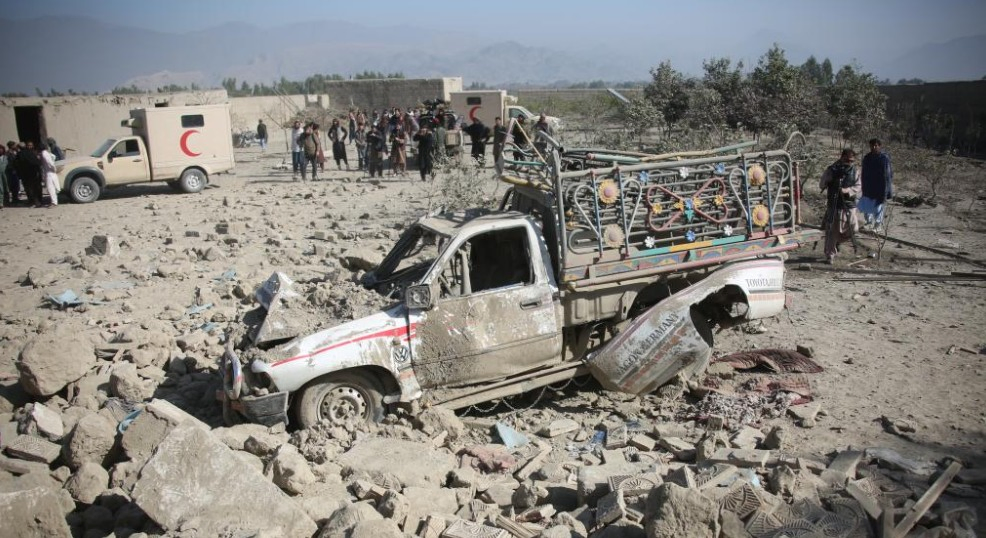
Islamabad has stated that airstrikes were aimed at eliminating alleged TTP and IS sanctuaries in Nangarhar, Paktika, and Khost. It argued that Kabul has failed to curb cross-border militancy, forcing Pakistan to act unilaterally.
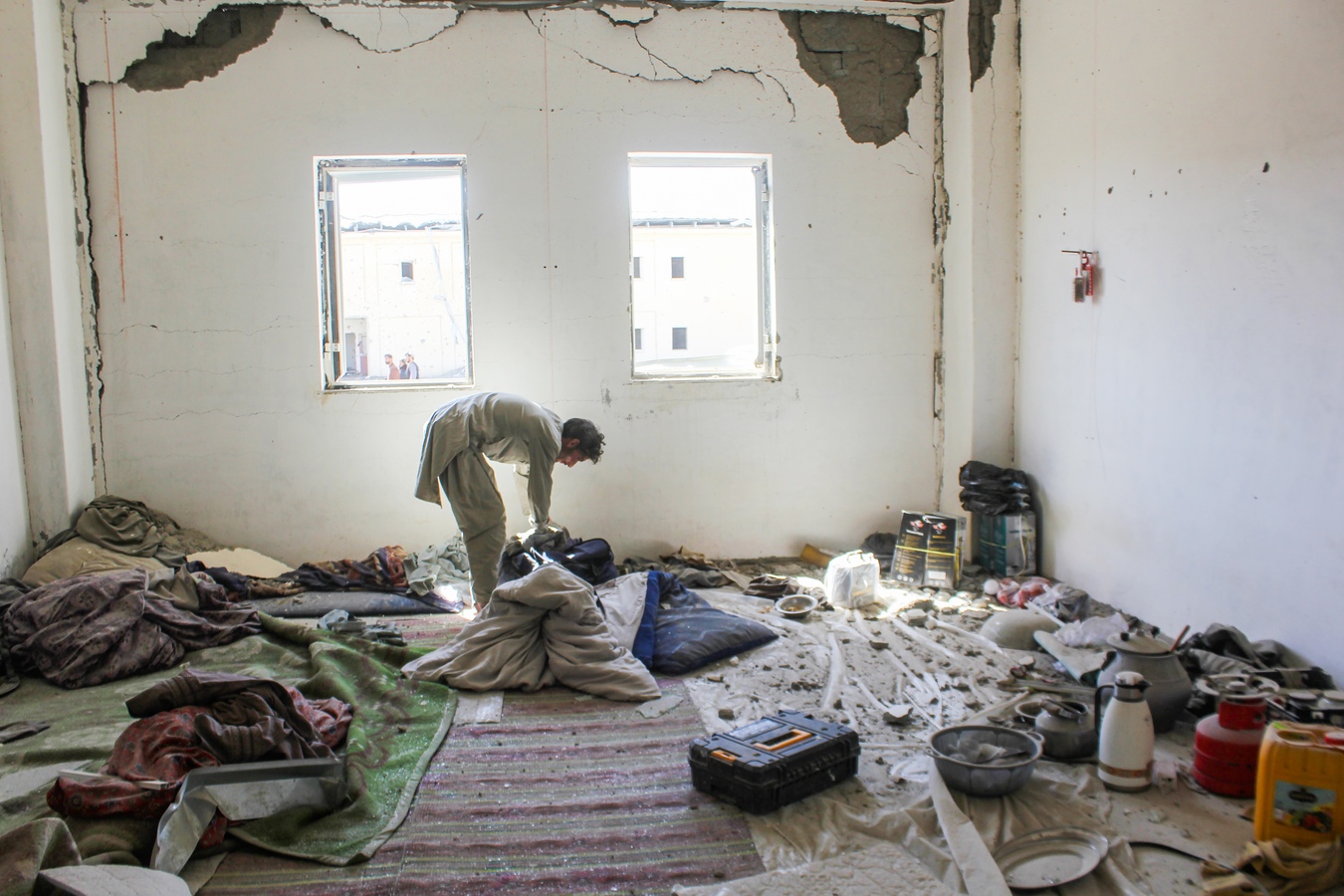
Afghan media has condemned Pakistan's airstrikes as blatant aggression against a sovereign state, emphasizing civilian deaths, including reports of a Kabul hospital being bombed.
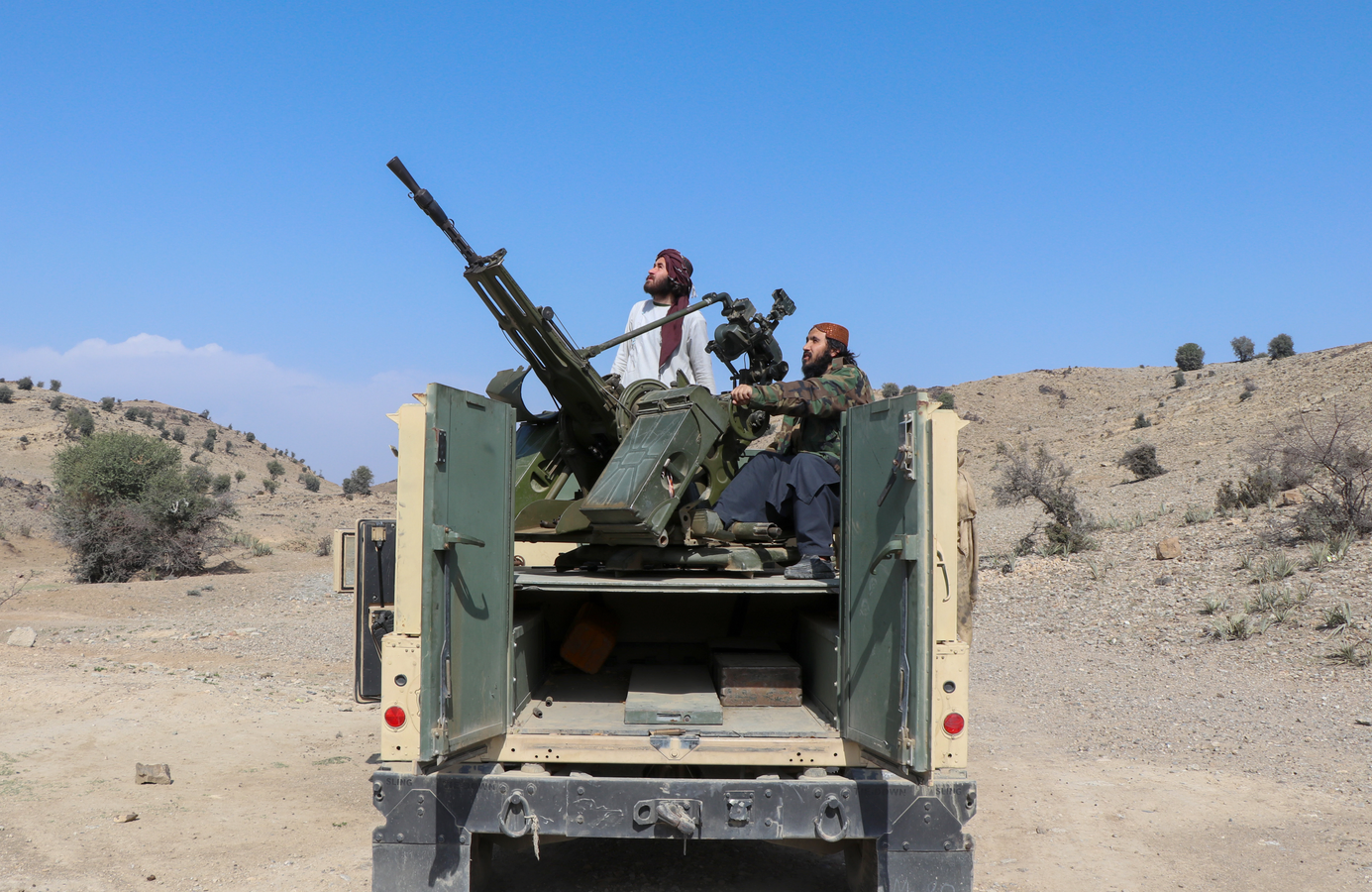
Taliban officials claim to have captured Pakistani military posts and inflicted significant casualties, framing themselves as defenders of Afghan territory.
Kabul's media has also appealed to Muslim nations and neighbors to condemn Pakistan's actions, portraying the conflict as part of a larger struggle against external interference. New Delhi is currently closely monitoring the conflict, wary of Pakistan's military posture and the potential fallout. Regional mediators such as Qatar, Turkey, and Iran itself are now involved in the current crisis in West Asia, rather than trying to prevent the Pakistan-Afghanistan escalation.