Mumbai, March 6 – The Maharashtra government announced a farm loan waiver of up to ₹2 lakh in the 2026-27 budget, along with measures for river-linking projects, women empowerment, youth development, healthcare, and strengthening social welfare schemes.
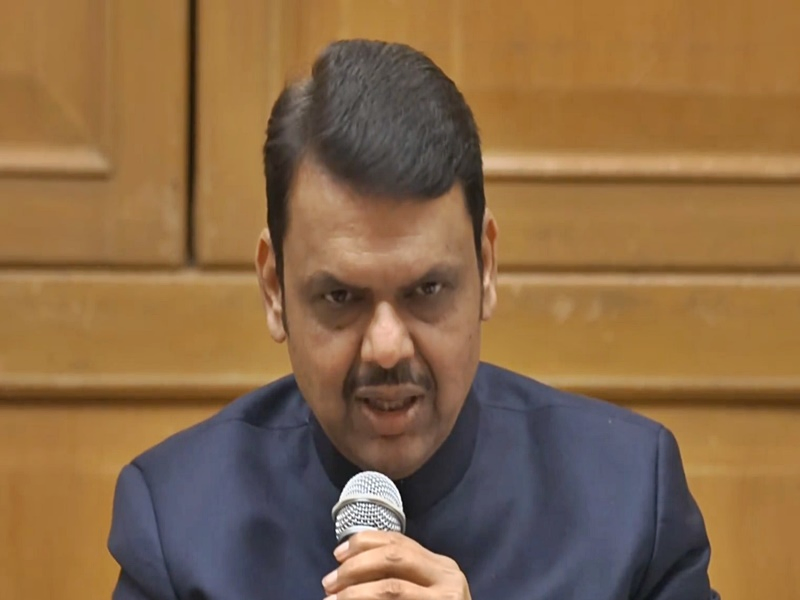
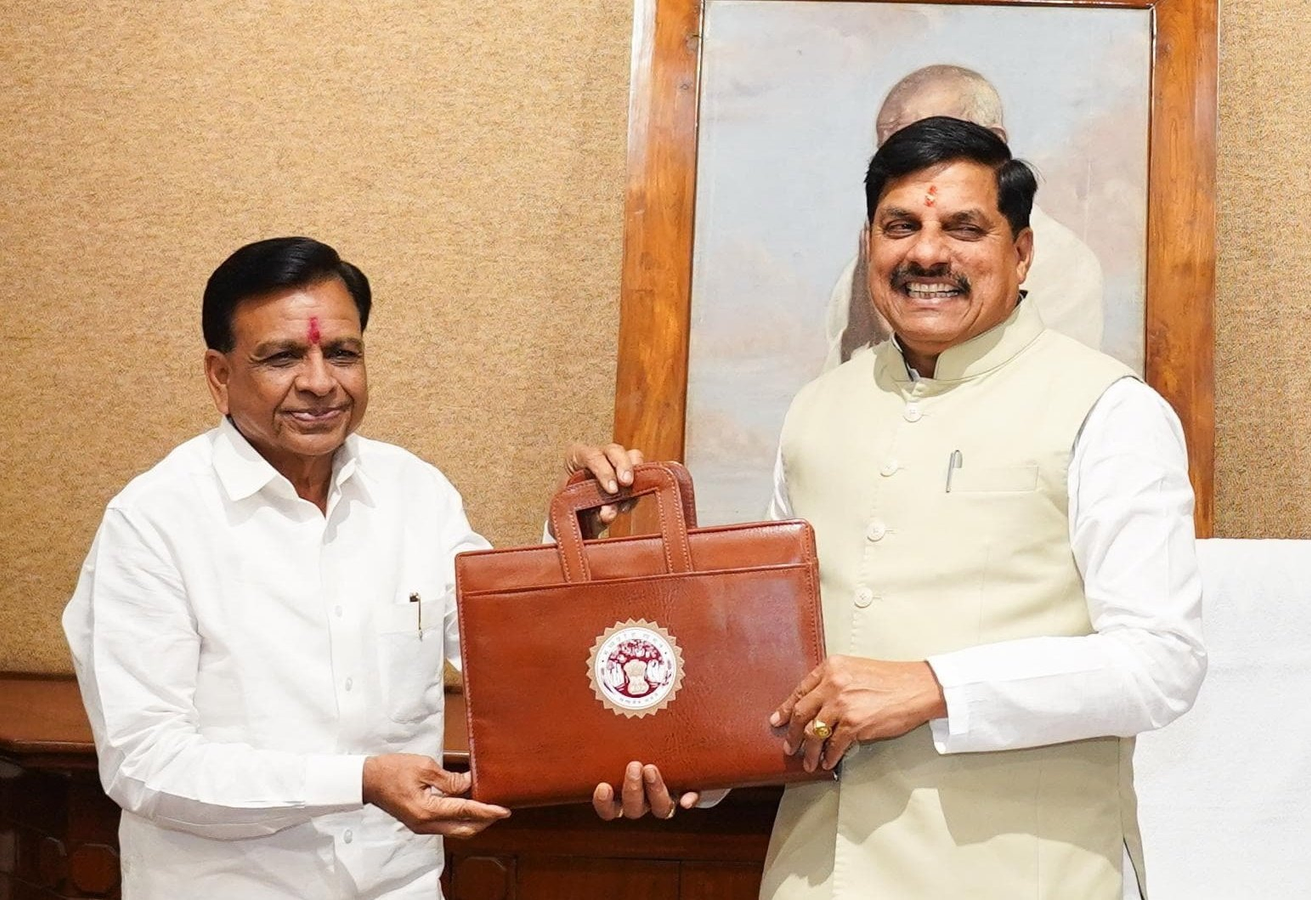
Chief Minister Devendra Fadnavis, presenting a ₹7,69,467 crore budget, highlighted the Ladki Bahin Yojana, launched prior to the 2024 assembly elections, which will continue with adequate funding for the scheme targeting poorer women, who receive ₹1,500 per month.
Fadnavis, who stated that Maharashtra will have a $5 trillion economy by 2047, became the first chief minister to present a budget.
The key element of the budget was the announcement of a loan waiver scheme for eligible farmers, allowing the write-off of pending crop loans up to ₹2 lakh until September 30, 2025.
The Punyashlok Ahilyadevi Holkar Shetkari Karjmafi Yojana also includes incentives for farmers who have repaid their loans regularly.
Fadnavis announced that revenue receipts for the next fiscal year are projected at ₹6,16,099 crore, and revenue expenditure at ₹6,56,651 crore.
This results in a projected revenue deficit of ₹40,552 crore for 2026-27.
The chief minister also stated that the fiscal deficit is estimated at ₹1,50,491 crore, and the government has successfully maintained it below 3% of the Gross State Domestic Product (GSDP).
He noted that the state's revenue deficit has consistently remained below 1% of the GSDP.
Fadnavis fondly recalled former state finance minister Ajit Pawar, who died in a plane crash in January. He announced that a memorial would be built for the late NCP leader, and an award would be established in his name.
Following Pawar's death, Fadnavis has held the finance portfolio.
Besides providing relief to farmers, the budget also included proposals related to irrigation projects, women empowerment, youth development, and strengthening social welfare schemes.
The budget is based on four key pillars: progressive development, sustainability, inclusiveness, and good governance, and outlines initiatives across 16 key sectors, Fadnavis stated.
He said the government plans to develop integrated value chains for 10 to 15 crops to enable farmers to access global markets, and promote digital platforms such as Agristack and MahaAgri Data Exchange to strengthen the farm ecosystem.
Under irrigation and water management, several major river-linking projects have been proposed, including the Wainganga-Nalgang project worth ₹94,968 crore and the Damanganga-Vaitarna-Godavari venture costing ₹13,497 crore.
The state government plans to launch urban water supply and wastewater management projects worth ₹5,860 crore with World Bank support.
The government aims to create 25 lakh more "Lakhpati Didis" in 2026-27, building upon the programme that has already benefited 27 lakh women in the state.
"Lakhpati Didis" are women members of Self-Help Groups (SHGs) who earn an annual household income of over ₹1 lakh.
In the youth and education sector, the government plans to establish international universities in Navi Mumbai and develop 8 to 10 educational cities. It announced initiatives to promote start-ups, with a target to create 1.25 lakh entrepreneurs and support 50,000 early-stage ventures in the next five years.
The budget proposed the establishment of high-performance sports centres for 12 disciplines and sports excellence centres across divisions and districts.
The government plans to set up an Urban Health Commissionerate and establish the Maharashtra Institute of Public Health in Nagpur for training and research. Expansion of the Mahatma Phule Jan Arogya Yojana and new healthcare infrastructure were also announced.
The government allocated ₹23,150 crore for Scheduled Castes and ₹21,723 crore for Scheduled Tribes under social justice initiatives.
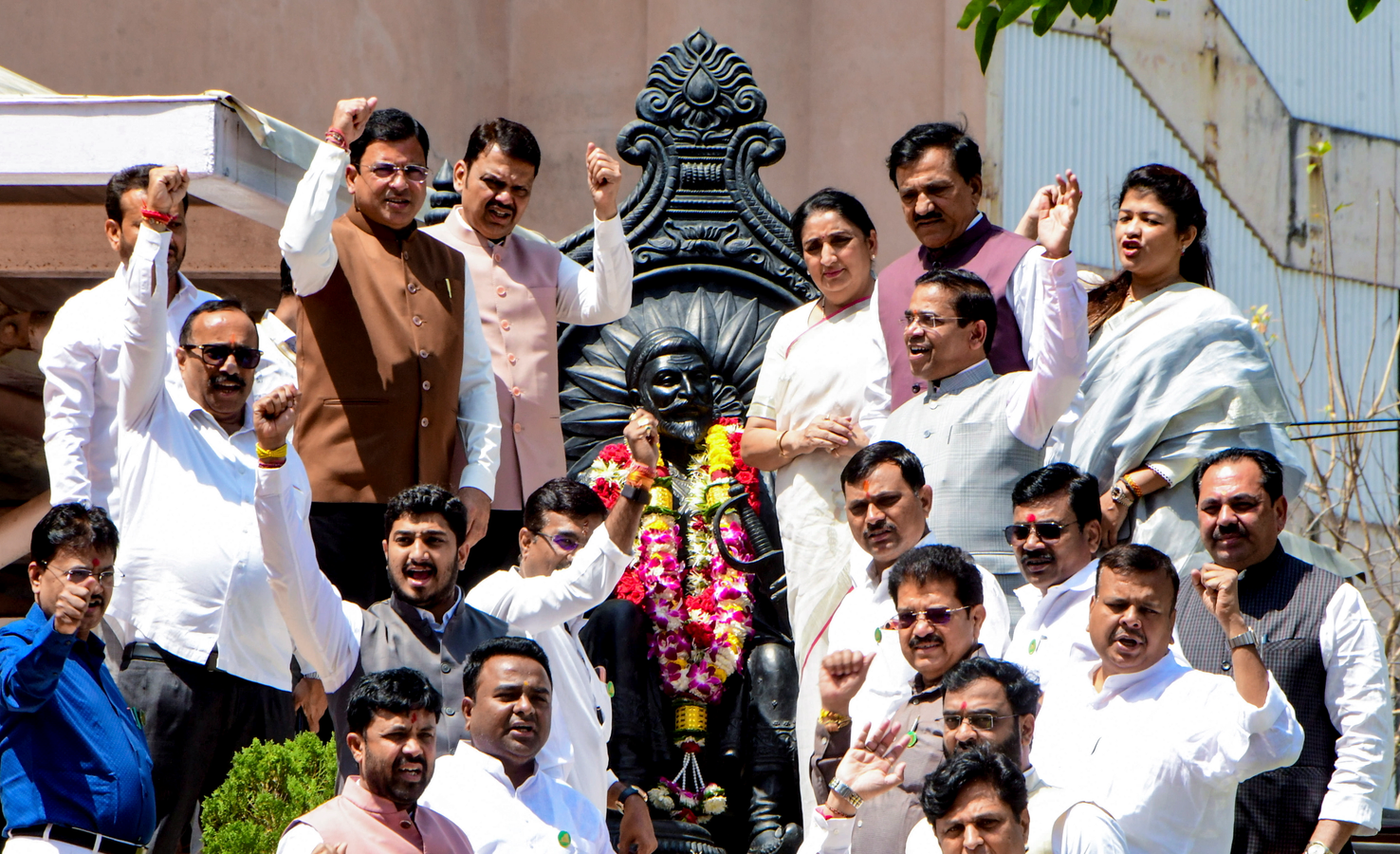
Several heritage and tourism development projects were proposed, including the conservation of 12 forts linked to Chhatrapati Shivaji Maharaj and the development of major pilgrimage and tourism circuits.
The government reiterated its commitment to building a $5 trillion state economy by 2047, with investments in infrastructure, agriculture, technology, and social sectors forming a key part of the roadmap.
Fadnavis announced the establishment of a film city at Navargaon in Nagpur district, and stated that the economy of the Mumbai Metropolitan Region is estimated to grow from USD 140 billion to USD 300 billion by 2030.
He also announced a plan for development around Virar, Boisar, and Thane bullet train stations to take advantage of the under-construction high-speed rail corridor between Mumbai and Ahmedabad.
The CM said a third Mumbai will be developed around the Atal Setu area in Raigad district. A fourth Mumbai is planned near Vadhvan Port in Palghar district.
Fadnavis stated that the budget lays out a roadmap for achieving the goal of transforming the state into a $5 trillion economy in 20 years under the "Developed Maharashtra 2047" initiative.
He announced that 2026-27 will be observed as the "Year of Social Equality and Harmony" to commemorate anniversaries related to social reformers Mahatma Jyotirao Phule, Sant Gadge Baba, and Dr B. R. Ambedkar.
A committee will be formed to commemorate the 200th birth anniversary of Mahatma Phule in 2027, and various social initiatives will be launched during the year.
As part of efforts to promote rural development, the government will develop a Sant Gadge Baba pilgrimage circuit by linking his birthplace, workplace, and memorial sites.
On the occasion of the centenary of Dr Ambedkar's 'Chavdar Tale Satyagrah' (struggle for social equality) in Mahad, the government will prepare a development plan to improve infrastructure at the historic site (a lake) in Raigad district.
The CM paid tributes to Shiv Sena founder Bal Thackeray on his birth centenary, stating that work on a government memorial dedicated to him at Dadar in Mumbai has begun.
Paying homage to late deputy CM Ajit Pawar, who presented the state budget 11 times, Fadnavis said his leadership helped maintain fiscal stability in the state.
In the farm sector, the government aims to increase the agricultural GDP from USD 55 billion to USD 500 billion by 2047.