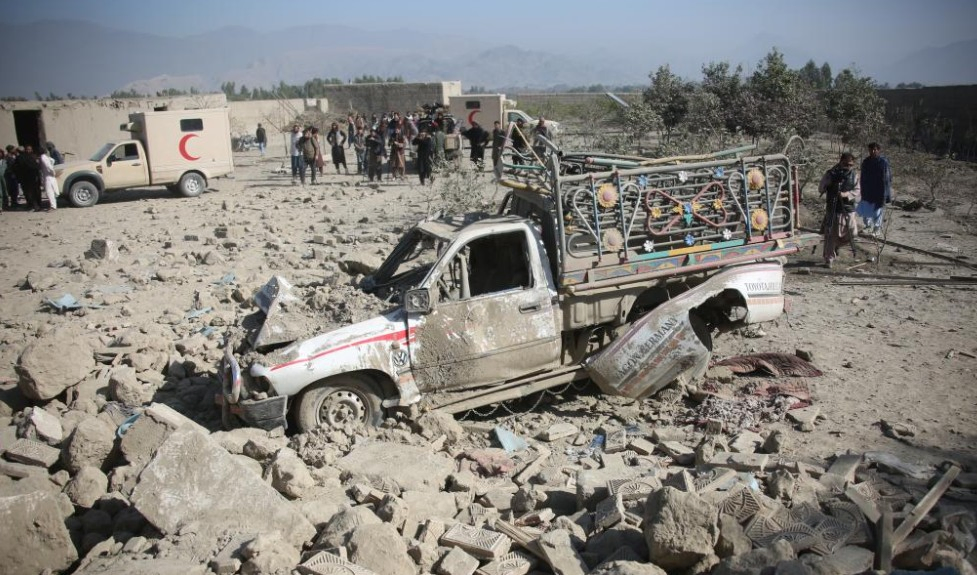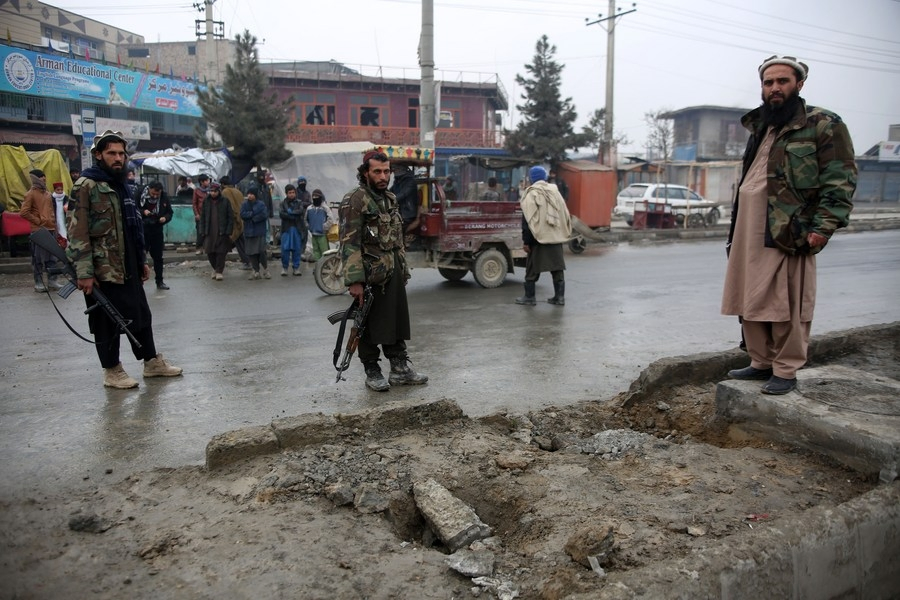
Canberra, March 7 – The ongoing conflict between Pakistan and Afghanistan marks a sharp deterioration in bilateral relations that have been simmering since the Taliban regained power in August 2021. Islamabad has previously conducted significant airstrikes targeting Tehreek-e-Taliban Pakistan (TTP) militants in Afghanistan, notably in December 2024, according to a report.
“On February 26, Afghan troops launched major attacks on a dozen Pakistani border posts, which, according to the Afghan government, were in retaliation for Pakistani airstrikes on the Tehreek-e-Taliban Pakistan (TTP), known as the Pakistani Taliban, hideouts in Afghanistan earlier in February. Islamabad responded by bombing 22 cities and military targets in Kabul, Kandahar, Paktia, Nangarhar, Khost, and Paktika provinces,” the report in Australia-based think tank Asialink mentioned.
Citing official Pakistani military spokesperson, Lieutenant General Ahmed Sharif Chaudhry, the report noted that 274 Taliban personnel have been killed and over 400 injured, while 73 Afghan posts along the Pakistan-Afghanistan border have been destroyed and 18 seized. Pakistan’s Defence Minister Khwaja Asif said that the hostilities between the two countries had escalated into an “open war”.
According to the report, the last major military clash between the two countries occurred in October 2025 and concluded with a ceasefire mediated by Turkey and Qatar. However, despite subsequent negotiations, the two countries failed to reach a lasting peace agreement.
In the latest assaults, it said, Pakistan’s air force targeted Taliban military facilities in Kabul, reflecting Islamabad’s hardline stance over the Taliban’s refusal to expel the TTP from its territory.
“In addition to its military might, Pakistan has other tools in its arsenal. It could further tighten movement across its 2,600-kilometer border. The critical border controls at Torkham and Chaman provide about 40 per cent of Afghanistan’s customs revenue. By imposing further tariffs on top of the existing 10 per cent and greater import restrictions, it would make it more costly economically for the Taliban to continue to support the TTP,” the report detailed.
“Pakistan could increase the number of Afghan refugees it forcefully repatriates to Afghanistan, creating more economic hardship for the country. In 2025 alone, 930,000 Afghans were repatriated, 67 per cent of them forcefully,” it added.
The report stressed that there appears to be no determined effort by third countries to initiate peace talks between the two countries.
“Saudi Arabia and Qatar did offer to help mediate a ceasefire, but as these two countries were the targets of Iranian retaliation in its war with Israel and the US, their focus is now on their home front. However, as with the previous attempt at mediation in 2025, the likelihood of finding a lasting solution to this latest clash between these two countries is remote, at best,” it noted.