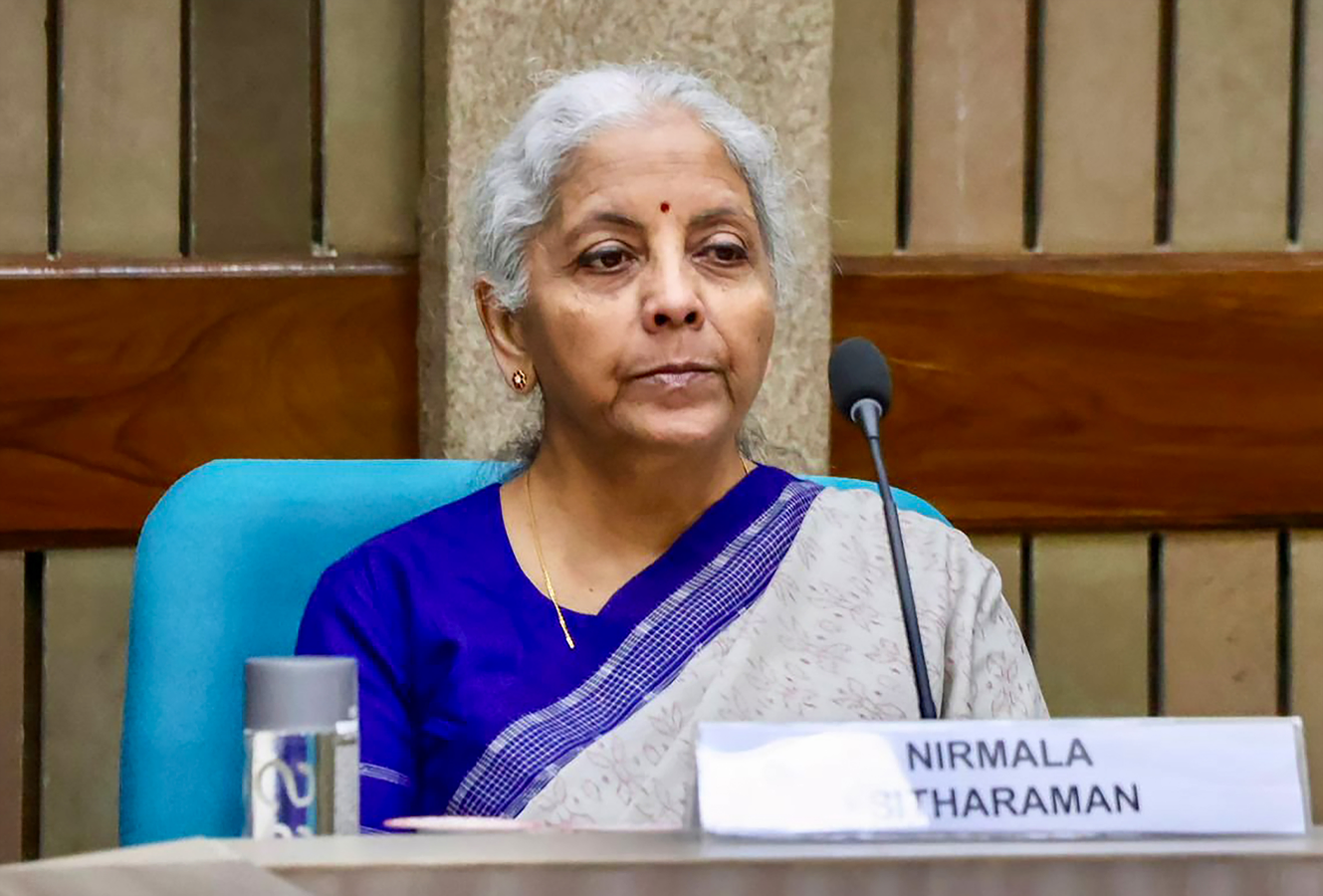
New Delhi, April 6 – India's strong fiscal position and robust foreign exchange reserves provide the Reserve Bank of India with more policy flexibility, Finance Minister Nirmala Sitharaman said on Monday.
Addressing the golden jubilee celebrations of the National Institute of Public Finance and Policy, the Finance Minister said: "India has fiscal space to maintain the government's capital expenditure programme, room for the RBI to cut interest rates, and room to offer targeted support to affected sectors. This is the dividend of a decade of fiscal discipline that is paying off."
Her statement comes ahead of the monetary policy review to be announced by the RBI on Wednesday.
Sitharaman also highlighted that India's debt-to-GDP ratio remains among the lowest globally, with the International Monetary Fund projecting a further decline by 2030. The foreign exchange reserves are sufficient to finance the country's imports for as many as 11 months, which provides a cushion against external shocks, she added.
She said that prudent fiscal management has enabled the government to roll out measures such as excise duty cuts on petrol and diesel, to cushion consumers from soaring prices of petroleum products triggered by the Iran war. Besides, targeted exemptions for critical petrochemical products and SEZ operations in the domestic tariff area have been made to protect jobs amid uncertainties in global markets.
The Finance Minister said that the West Asia conflict has emerged as a "systemic tremor", adding to a world marked by volatility, uncertainty and ambiguity. Rising crude prices and currency pressures could complicate the inflation outlook, making policy calibration more challenging, she added.
The RBI's monetary policy committee has kicked off its review meeting on Monday and will deliberate over the monetary policy steps that are to be announced on Wednesday. Economists expect the RBI to remain on pause on key interest rates, as inflation risks are elevated due to the fallout of the Iran war, which has triggered a sharp rise in the prices of petroleum products, fertilisers and petrochemicals.
Last month, the government, in consultation with the RBI, announced its borrowing programme for the first half of the next financial year, with plans to raise Rs 8.2 lakh crore in six months. That marks around 51 per cent of the full-year budgeted borrowing.
As per the official borrowing calendar, the annual gross borrowing has been reduced to Rs 16.09 lakh crore from an earlier estimate of Rs 17.2 lakh crore. This phasing out of the borrowing programme is expected to leave sufficient liquidity in the banking system to enable businesses to continue with their investments and create jobs in the economy.