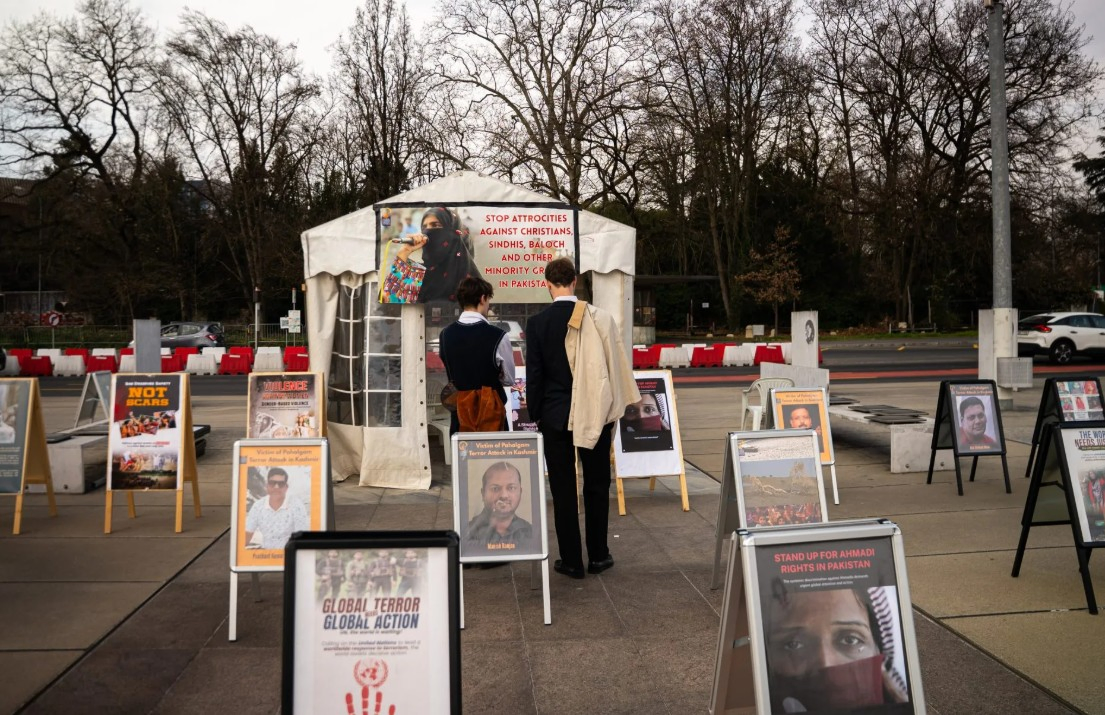
Geneva, March 12 – A photo exhibition hosted by an international human rights organization on the sidelines of the ongoing United Nations Human Rights Council (UNHRC) session in Geneva, Switzerland, has highlighted the growing systemic discrimination and repression faced by religious and ethnic minorities in Pakistan.
In the exhibition, Global Human Rights Defence (GHRD) presented visual documentation and reports showcasing alleged human rights violations impacting minorities in Pakistan, including Hindus, Christians, Sindhis, and Balochis, as reported by Khalsa Vox. The organizers said that the photo exhibition was organized to raise awareness among diplomats, policymakers, and international observers about what they described as the growing systemic discrimination and repression faced by these communities.
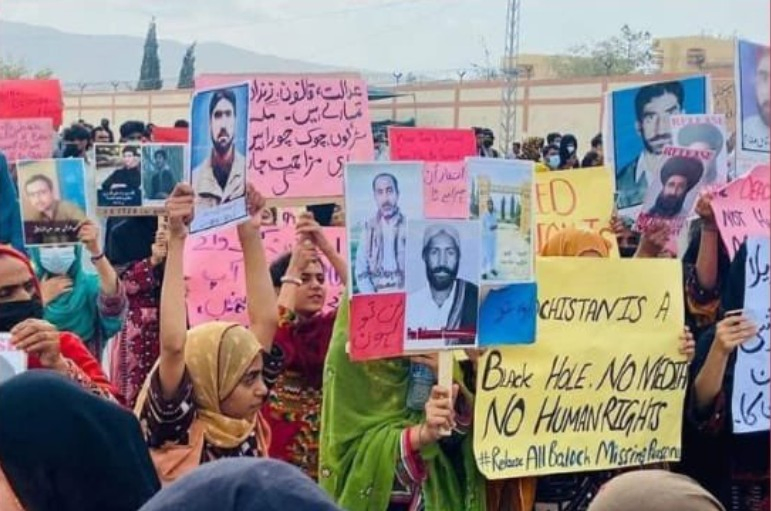
Several exhibits highlighted cases of enforced disappearances and reports of forced conversions, particularly in the Balochistan province of Pakistan. The photographs and accompanying descriptions showcased the challenges faced by families who claim their loved ones have gone missing, and the legal and social pressures reportedly faced by minority groups, according to the report.
The exhibition also highlighted regional security concerns, including allegations of Pakistan's support for militant activities in Jammu and Kashmir. Materials presented at the photo exhibition referenced a number of incidents, including the terrorist attack in Jammu and Kashmir’s Pahalgam in 2025, as reported by Khalsa Vox.
GHRD representatives said the initiative was aimed at encouraging greater international scrutiny and dialogue about the protection of minority rights in Pakistan. GHRD is an international non-governmental organization that works to protect fundamental rights, with a focus on protecting minority communities around the world.
Recently, a Christian minority worker in Pakistan’s Punjab province was allegedly tortured to death by his Muslim employers, who then staged the murder to look like suicide by hanging, a report recently highlighted, citing allegations made by the victim’s younger brother.
According to Dilshad Masih, the 21-year-old deceased, Marcus Masih, had worked for five years at a cattle farm run by Muhammad Mohsin Kharal and Muhammad Basharat Kharal in Sargodha district of Punjab.
Dilshad said that Basharat called him on the morning of March 4 to inform him that his brother had hanged himself from the ceiling of a cattle shed, as reported by Christian Daily International-Morning Star News.
“Two relatives and I immediately went to their village, where we saw Marcus’s body hanging from the ceiling. They told us they had no idea why he would take his own life,” Christian Daily International quoted Dilshad as saying.
Dilshad further said that the family grew suspicious after hospital staff handed over the body following a post-mortem examination. He claimed that lawyers connected to the Muslim employers pressured them into placing their thumbprints on a blank sheet of paper, saying it was necessary for sending the body for autopsy.
“We were in deep shock and grief and did not question them. But when the body was returned to us, we saw severe bruises and burn marks. That is when we realised Marcus had been tortured,” he said.
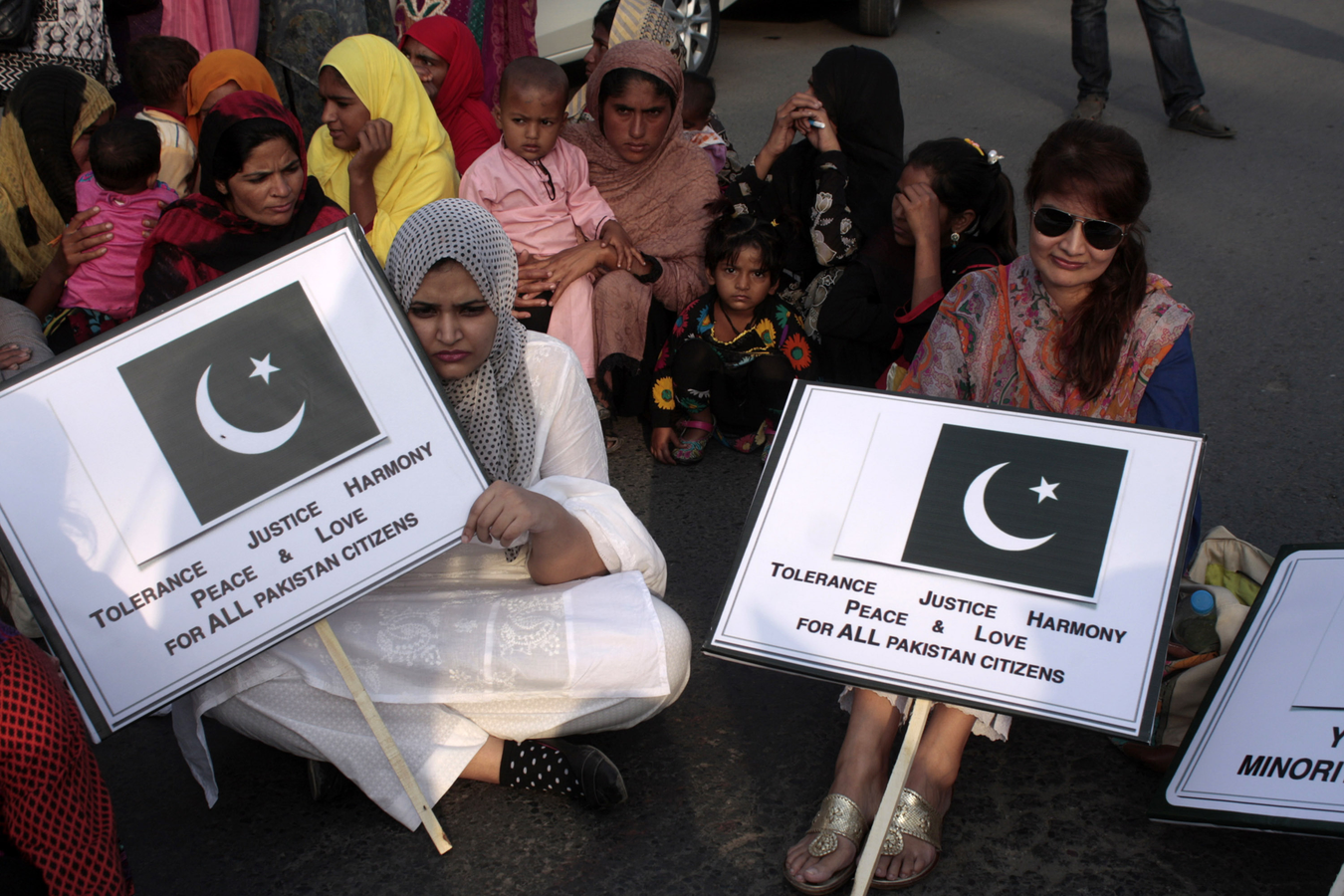
The report noted that in the wake of the incident, dozens of Christians held a protest by placing the body on the main highway and obstructing traffic, demanding that a criminal case be filed.