Cairo, February 23 – The United States and Iran have decided to continue negotiations, even as their starkly different visions of a nuclear deal and a significant US military buildup highlight the fragility of the process and the ongoing risk of confrontation.
Oman's Foreign Minister, Sayyid Badr bin Hamad bin Hamood Albusaidi, said on Sunday that the next round of US-Iran talks will take place in Geneva on Thursday.
"I am pleased to confirm that US-Iran negotiations are now scheduled for Geneva this Thursday, with a positive push to go the extra mile towards finalizing the deal," the minister said on the social media platform X.
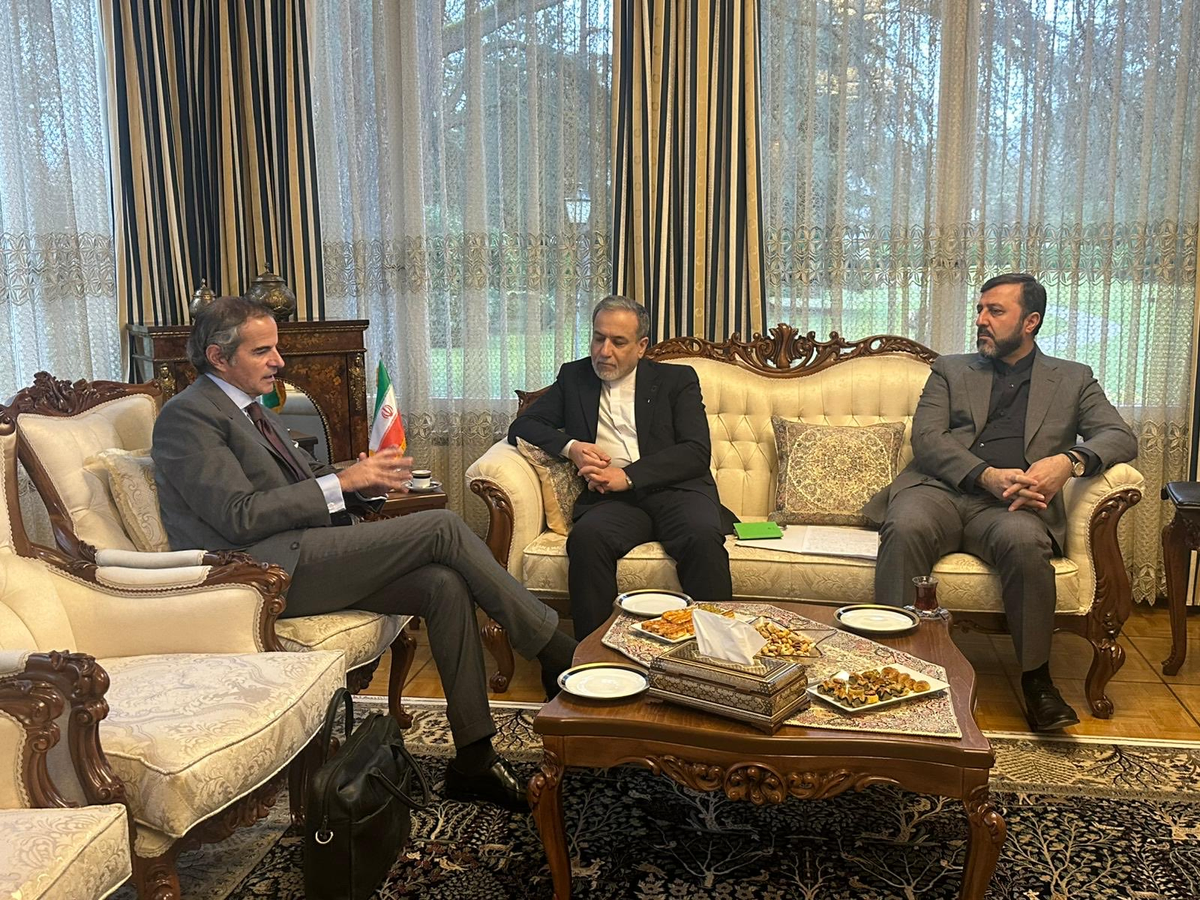
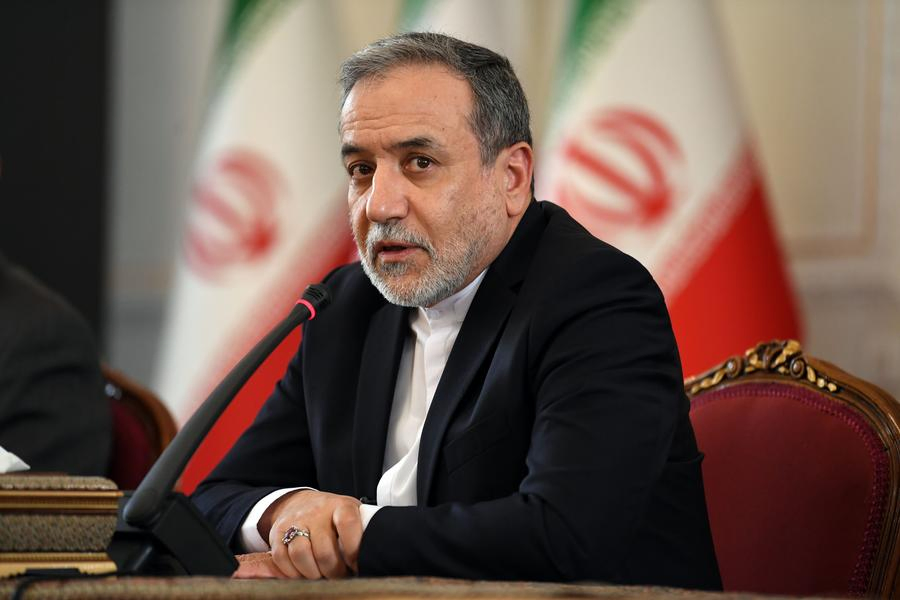
In a phone call on Sunday, Iran's Foreign Minister Seyed Abbas Araghchi and the Director General of the International Atomic Energy Agency (IAEA), Rafael Grossi, stressed the importance of "constructive engagement and using the path of dialogue" to achieve a sustainable nuclear agreement, according to Xinhua news agency, quoting Iran's official news agency IRNA.
This followed Araghchi's remarks on Friday in an interview with the US media outlet MSNBC that Tehran would prepare the draft of a possible nuclear deal with the United States within two to three days and submit it to the US delegation.
In a CBS News interview broadcast on Sunday, Araghchi reiterated Tehran's willingness to resolve its differences with Washington through negotiations.
Araghchi said he may meet with US President Donald Trump's special envoy, Steve Witkoff, on Thursday in Geneva, noting that it is still possible to find a diplomatic solution between Tehran and Washington.
He said the two sides are working on elements of a potential deal, and may discuss a preliminary draft for the deal on Thursday.
Araghchi said the deal should include Iran's "peaceful nuclear program" as well as lifting US sanctions against Iran, reaffirming Tehran's resolve to secure its right to uranium enrichment under the national nuclear program.
He added that Iran and the United States can reach a nuclear deal better than the one signed between Tehran and world powers in 2015, noting unlike the previous negotiations, where the involved parties went into so many details, "this time, there is no need for that many details, and we can agree on basic things and make sure that Iran's nuclear program is peaceful and would remain peaceful forever and, at the same time, more sanctions would be lifted."
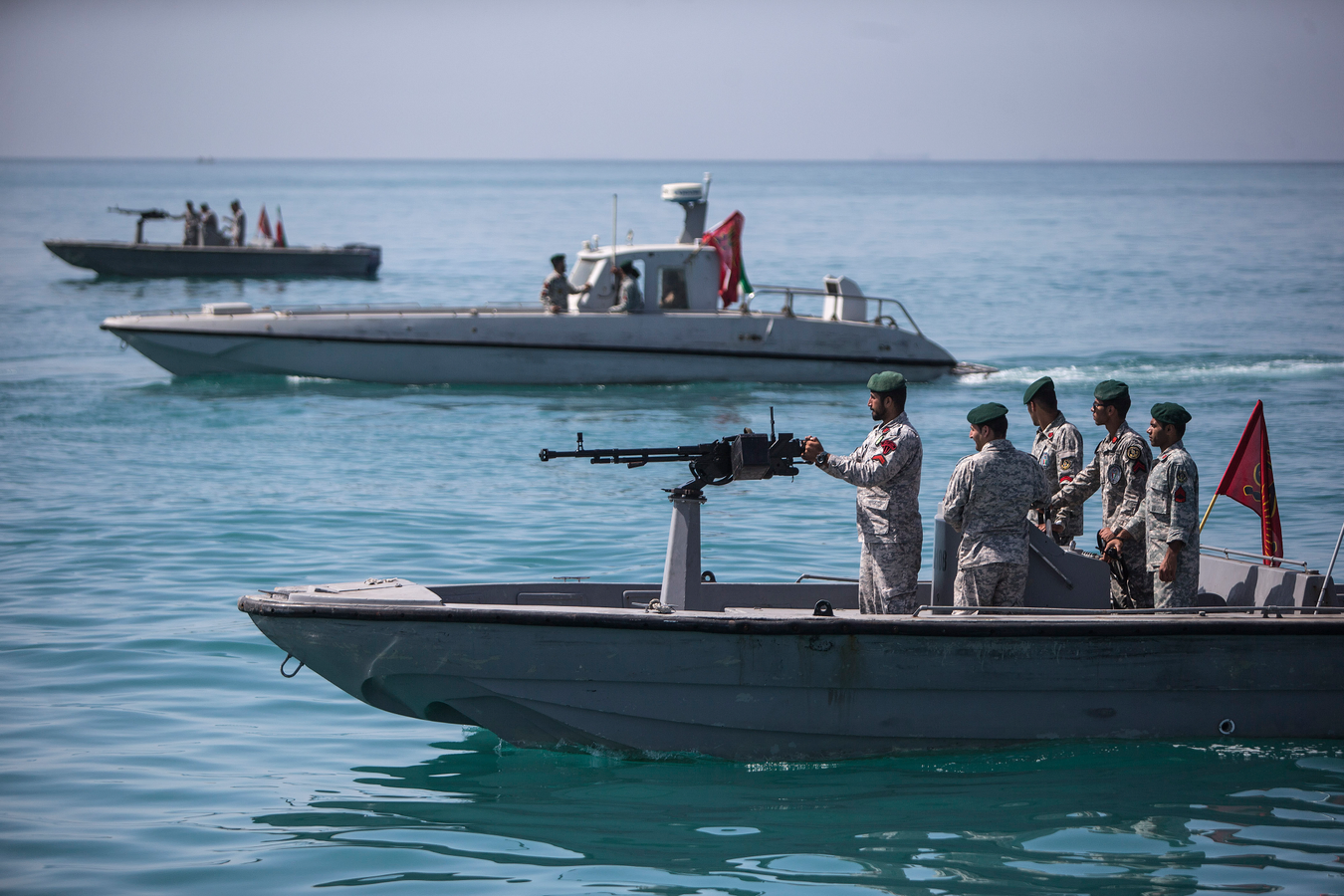
He also stressed that Tehran has the right to self-defense if the United States attacks Iran. "We have to hit, you know, the American base in the region."
Also on Sunday, Iranian President Masoud Pezeshkian said recent negotiations with the United States have "yielded encouraging signals," while cautioning that Iran is prepared for "any potential scenario."
"Iran is committed to peace and stability in the region. Recent negotiations involved the exchange of practical proposals and yielded encouraging signals. However, we continue to closely monitor US actions and have made all necessary preparations for any potential scenario," Pezeshkian said in a post on social media.
A senior Iranian official has told Reuters that significant differences remain between the two sides, even over the "scope and mechanism of sanctions relief."
"Both sides need to reach a logical timetable for lifting sanctions," said the unnamed official, adding that any roadmap must be "reasonable and based on mutual interests."
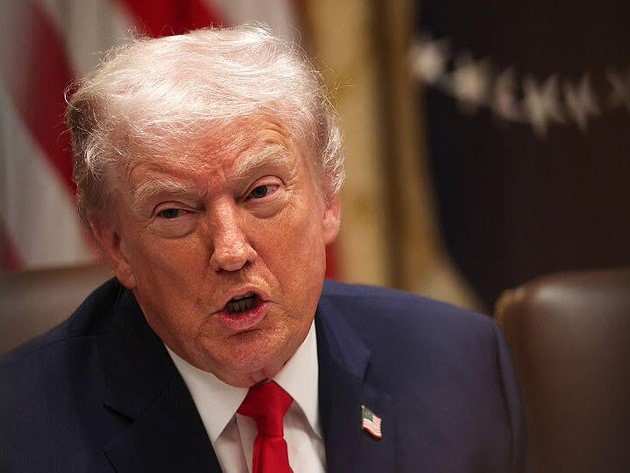
Washington has said that any deal with Iran must include a ban on uranium enrichment, the removal of its enriched material, limits on long-range missiles, and a rollback of support for regional proxies. But analysts have said such conditions would be "very difficult" for Iran to accept.
The diplomatic maneuvers occurred against a backdrop of escalating US military pressure. Media reports said the United States had recently deployed a large number of fighter jets and transport aircraft to Muwaffaq Salti Air Base in Jordan, marking a noticeable increase compared with the base's usual level of deployment.
Located about 100 km northeast of Amman, the capital of Jordan, Muwaffaq Salti is considered one of the main US military bases in the Middle East. At other US military bases in the region, there have also been reports of significant military build-ups.
The development came amid heightened tensions between Tehran and Washington, and followed two rounds of indirect nuclear talks between the two sides this month, with the first held in Muscat on February 6 and the second in Geneva on February 17.