Islamabad, February 23 – Islamabad's handling of dissent in the Gilgit-Baltistan region under Pakistani occupation has highlighted the structural contradictions in the region's governance model. Despite having administrative control since 1948, Pakistan has not granted Gilgit-Baltistan full constitutional status, resulting in the federal government and military-related institutions having decisive authority over the region's resources and political institutions, while limiting meaningful local representation, according to a leading Afghan media outlet.
Economic grievances, energy shortages, and concerns over China-backed infrastructure projects have increased in recent years. In response to public mobilization, Pakistan has imposed coercive measures, arrests, and regulatory pressure. This pattern highlights the growing gap between Pakistan's extractive economic approach and the rising political consciousness of the population of Gilgit-Baltistan, an opinion piece in Afghanistan's leading news agency, Khaama Press, stated.
The constitutional ambiguity of Gilgit-Baltistan is the core structural cause of unrest in the region. Following Pakistan's occupation since 1948, Pakistan has governed Gilgit-Baltistan through executive orders instead of constitutional integration. According to analysts, key sectors such as minerals, hydropower, and security have remained under federal control despite the apparent devolution.
Political frustration increased after former Pakistani Prime Minister Imran Khan's pledge to grant provincial status did not materialize. Instead, Pakistan's federal government implemented new taxation measures in 2022, leading to widespread protests in Gilgit, Skardu, Hunza, and other areas.
Local trader associations and the Awami Action Committee held protests and shutdowns, arguing that taxation without constitutional representation violated basic federal principles, Khaama Press reported. Protest leaders argued that revenue collected from Gilgit-Baltistan was flowing directly to the federal exchequer without proportional reinvestment in the region, reinforcing the view that Pakistan considers Gilgit-Baltistan as a revenue and resource frontier rather than an equal political unit.
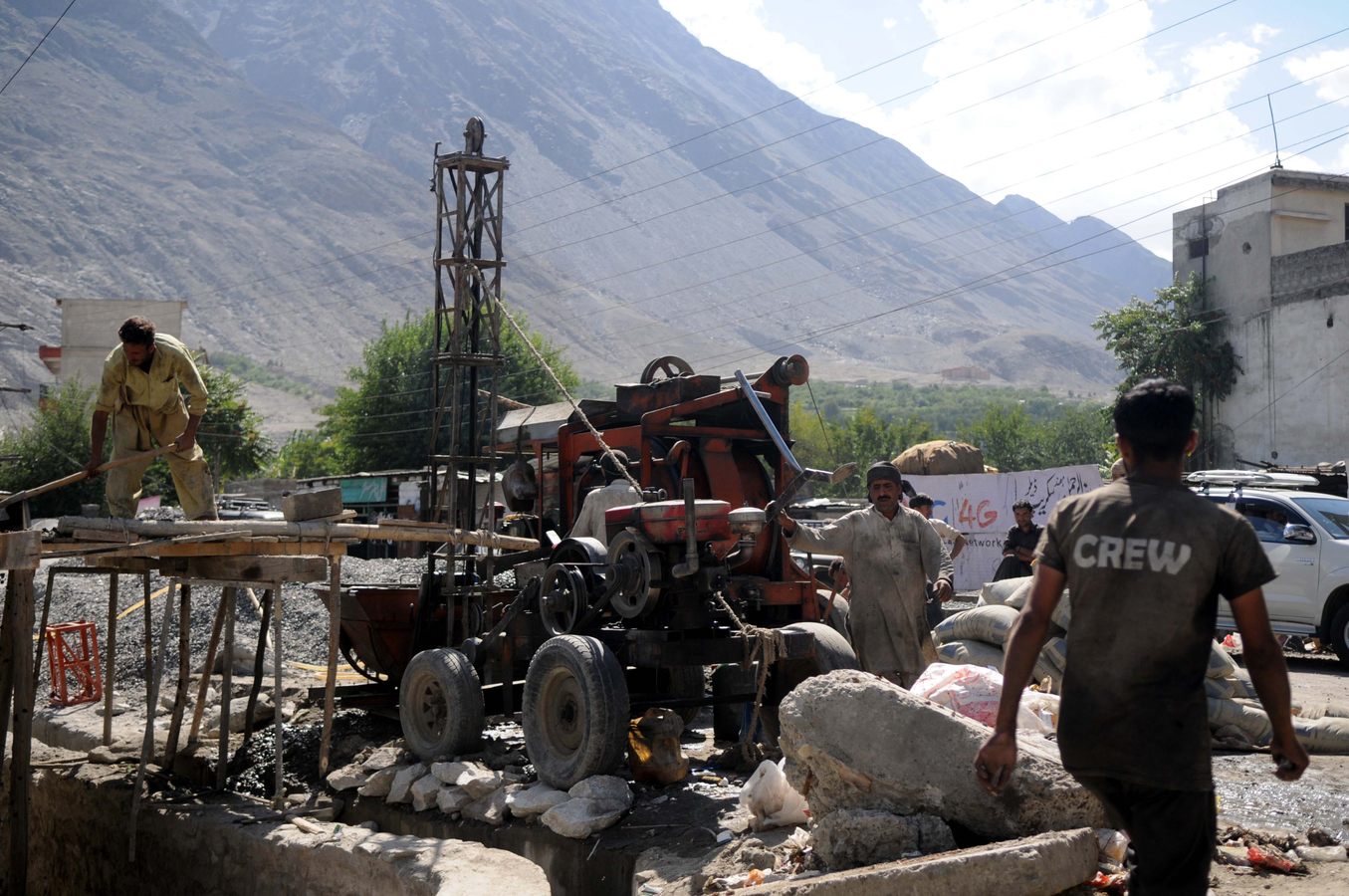
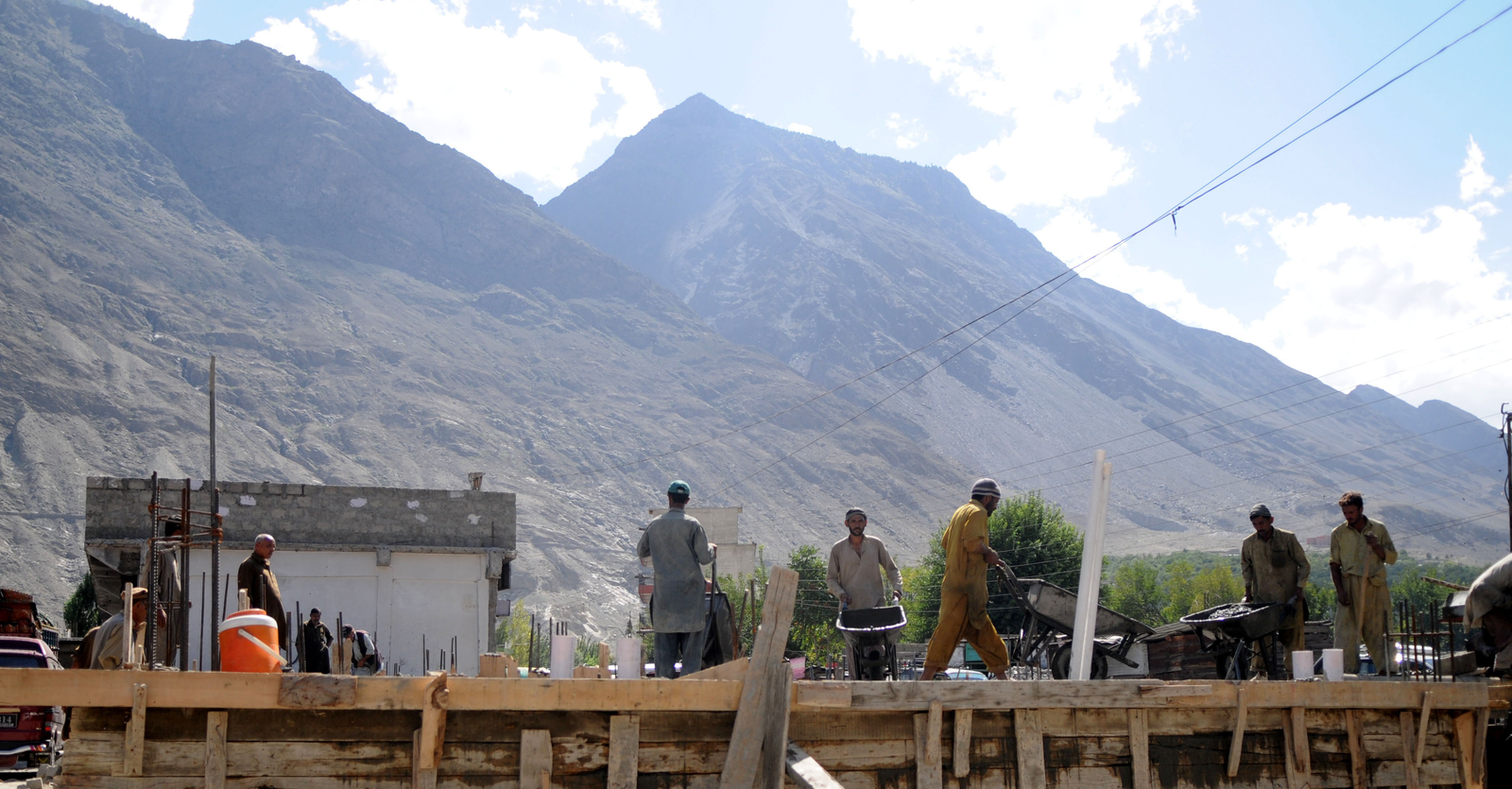
Despite having glaciers that feed the Indus River system and possessing deposits of gold, copper, and rare earth minerals, Gilgit-Baltistan faces severe energy shortages, especially during winter months, when power cuts can last for 18 to 20 hours per day in some regions. Local residents and civil society groups have repeatedly voiced concerns regarding the delayed compensation for displaced communities and the lack of local employment guarantees. According to reports, most of the workers on China-Pakistan Economic Corridor (CPEC)-related projects in Gilgit-Baltistan are non-locals, including Chinese nationals and laborers from other provinces of Pakistan.
"These structural grievances have translated into sustained protest activity. Organizations such as the Awami Action Committee, Gilgit-Baltistan National Alliance, GB Youth Movement, and various trader bodies have led recurring demonstrations over electricity shortages, wheat subsidy cuts, taxation, and land acquisition policies. In 2023 and 2024, protests intensified following the federal government’s decision to reduce subsidized wheat quotas, a particularly sensitive issue in a region heavily dependent on government-supported food supply," the opinion piece in Khaama Press mentioned.
"Large sit-ins in Gilgit and Skardu drew thousands of participants demanding the restoration of subsidies and constitutional rights. Pakistani authorities responded by deploying additional security forces, detaining activists, and invoking public order laws to restrict assemblies. Human rights observers, including the Human Rights Commission of Pakistan, have repeatedly warned about shrinking civic space in Gilgit-Baltistan and the use of anti-terror and public safety legislation against peaceful protesters," it added.
Environmental concerns have been raised over Chinese-supported projects in Gilgit-Baltistan. Local activists have raised objections to land acquisition practices, ecological risks, and the lack of transparency in CPEC-related projects and dam construction, it added. Over the past three years, protests have been held against these projects in Hunza and Diamer, with demonstrators stressing that local residents face the environmental costs while Pakistan's Punjab province and China enjoy economic benefits.