Ahmedabad, March 12 The ruling BJP and the opposition engaged in a verbal duel in the Gujarat assembly on Thursday over the issue of malnutrition, with the state government asserting that the figures cited by the Congress were outdated and that the situation had improved significantly.
The exchange between the two sides began after Congress MLA Jignesh Mevani criticised the state government, claiming that malnutrition among children remained a serious concern despite the Bharatiya Janata Party being in power in Gujarat for nearly three decades.
"Despite this BJP government with more than 150 seats and 28 years of rule, only one figure comes on record, that 40 out of 100 children are malnourished. A very large section of them are tribals," Mevani said while speaking on his 'cut motion' on the budgetary demands for the state Women and Child Development department.
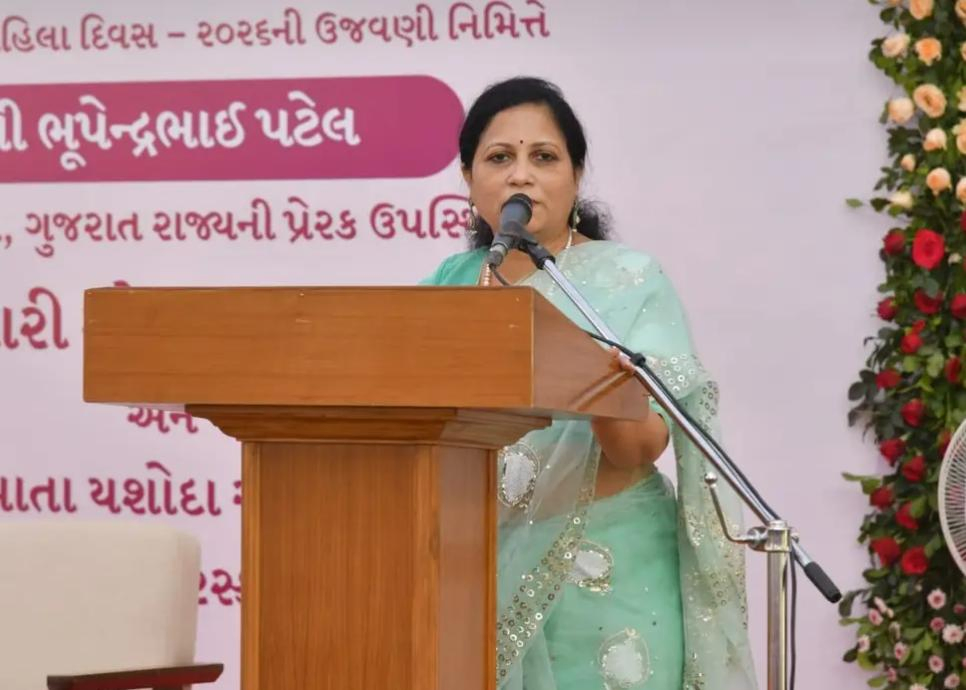
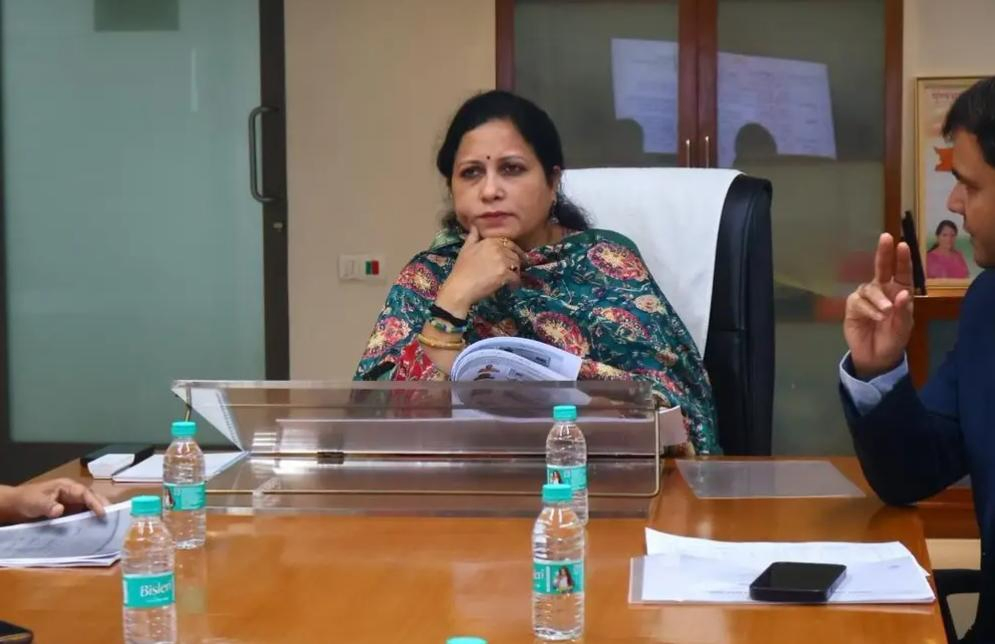
In response, Women and Child Development Minister Manisha Vakil said the opposition was relying on figures from the National Family Health Survey (NFHS) conducted in 2019 and asked them to "update your knowledge".
She said the state government's interventions and monitoring systems had significantly reduced malnutrition levels over the past few years, adding that earlier surveys had indicated around 40 per cent malnutrition but the figure had dropped sharply.
"I am showing you figures for January 2026. Today, as per the Poshan Tracker system, only 11.4 per cent children remain malnourished in Gujarat. That means there has been a reduction of almost 28.30 per cent," she said amid interruptions from the opposition benches.
Vakil further riled the opposition by mocking the Congress for its reduced strength in the Assembly (12 MLAs) and stating that the party is also suffering from malnutrition within the Assembly.
Senior Congress MLA Shailesh Parmar objected to the remarks and raised a point of order, saying the government should take seriously the concerns raised by opposition members.
"If members from the opposition point out a fact, it should be taken seriously. Even today, four districts of Gujarat are among the top 10 most malnourished districts in the country. The people of Gujarat have placed you in power to address such issues," said Parmar.
Speaker Shankar Chaudhary repeatedly intervened during the debate, asking members to maintain order and allow the minister to complete her remarks.
Defending the government's efforts, Vakil said several technology-driven initiatives had been introduced to improve transparency and monitoring in nutrition programmes.
"The state has implemented the Poshan Tracker application for real-time monitoring of child nutrition and the functioning of more than 53,000 anganwadi centres," she said.
She also highlighted the use of QR codes and digital tracking for the distribution of 'Take Home Ration' (THR) at anganwadis, as well as the proposed introduction of a facial recognition system to ensure benefits reach intended beneficiaries.
She said the department was committed to making Gujarat "malnutrition-free" and that technology-driven governance had improved transparency compared to earlier years.
During the debate, Vakil also accused the previous Congress government of poor monitoring of anganwadi records, saying that today the state had moved towards "smart anganwadis" equipped with digital tools and better infrastructure.
"The anganwadi system lacked transparency during Congress rule. Those who ask what has changed over the years under BJP should know that during the Congress regime, termites used to eat anganwadi books and no one knew where the ration was going," she said, slamming the opposition.
The situation has changed significantly under the leadership of Prime Minister Narendra Modi and Chief Minister Bhupendra Patel, with technology playing a key role in monitoring welfare schemes, Vakil said.
The minister claimed that anganwadi workers now use smartphones and digital tools to track nutrition services and ensure benefits reach children and mothers.