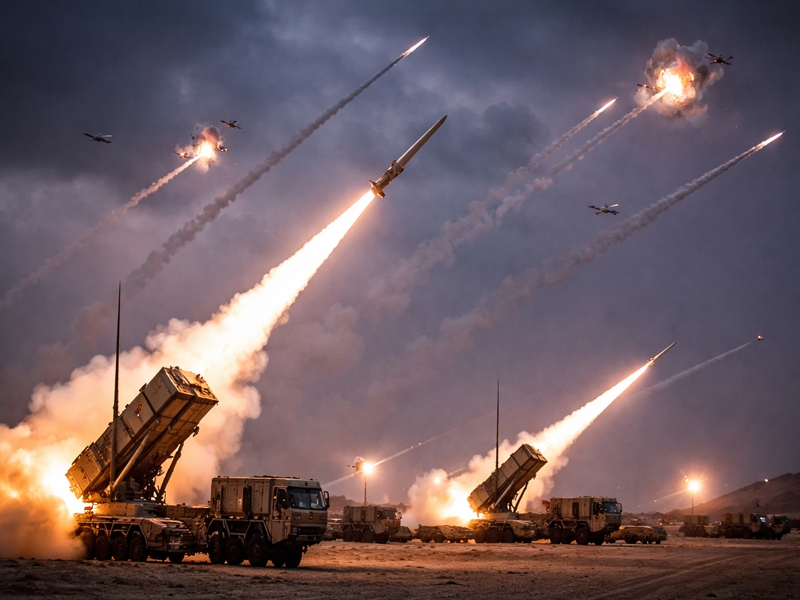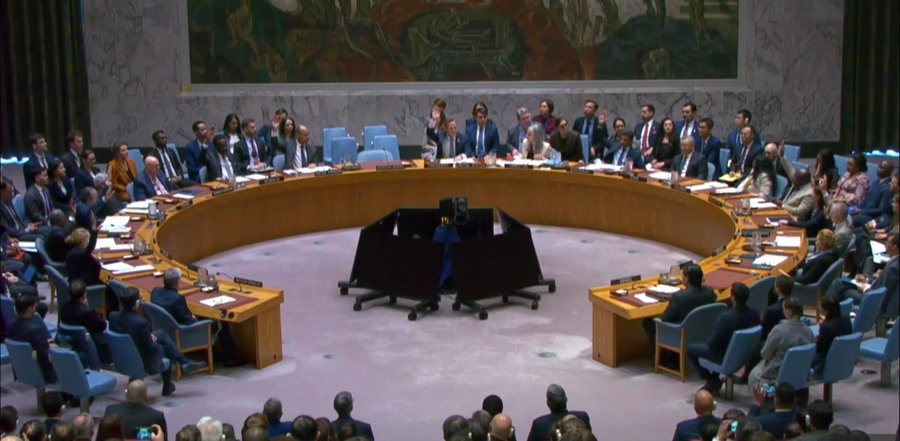
United Nations, March 12 – The Gulf Cooperation Council (GCC) countries have collectively intercepted over 954 Iranian missiles, 2,500 drones, and 17 aircraft, according to Bahrain's Permanent Representative Jamal Fares Alrowaiei, who announced a move to seek a Security Council condemnation of Tehran.
He stated that the attacks on the six-member GCC are "disrupting trade and maritime routes, impacting the regional and international economy, and affecting everyone."
The Iranian attacks were targeting "residential buildings and areas, food distribution facilities, airports, ports, energy installations, and critical civilian infrastructure," he said, speaking to reporters alongside other GCC diplomats outside the Council chambers on Wednesday (local times).
Bahrain is currently an elected member of the Council.
The resolution, proposed by the GCC countries and Jordan, is scheduled to be taken up by the Council later on Monday.
If a vote is held, its adoption would depend on Russia and, possibly, China, which have veto powers.
Moscow is likely to block the resolution, especially because the draft does not mention the US and Israel, which launched the initial attack last month.
The Permanent Representative of the United Arab Emirates, Mohamed Abushahab, said that although the UAE "made it clear that our land, airspace, and territorial waters would not be used to attack Iran," Tehran proceeded to attack his country.
The UAE deployed its defense resources to confront them, and "without those capabilities, one can only imagine the damage and loss of lives that would have resulted from Iran's reckless and unlawful attack," he said.
The people affected by the Iranian strikes came from 25 countries, he said.
His message to Iran, he said, was "no force of hate or extremism will ever change the UAE model of tolerance and mutual coexistence."
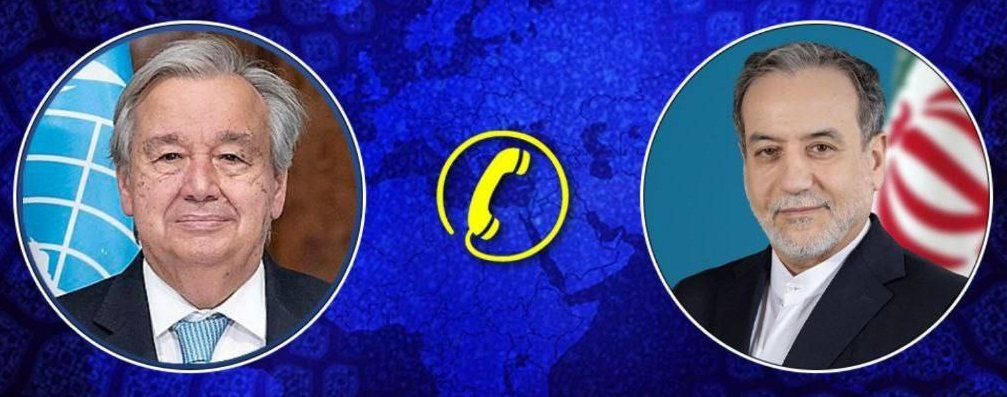
Secretary-General Antonio Guterres spoke with Iran's Foreign Minister Seyed Abbas Araghchi on Tuesday and "expressed deep concern at the regional spill-over and the impact of the ongoing conflict on the global economy."
Guterres' Spokesperson Stephane Dujarric said during the call, "he recalled the need for all sides to fully respect international law and international humanitarian law, as well as to refrain from any attacks against civilians and civilian infrastructure."
The Secretary-General had earlier met envoys of the GCC countries and had a phone call with Qatar's Amir Tamim bin Hamad Al Thani.