London, March 21 – The United Kingdom has agreed to allow the United States to use British bases to carry out "operations to degrade missile sites and capabilities being used to attack ships in the Strait of Hormuz," according to a Downing Street statement.
The statement, released on Friday (local time), said that Britain is working with international partners to "develop a viable plan to safeguard international shipping in the Strait of Hormuz."
Despite this move, the statement emphasized that the UK is committed to "not getting drawn into the wider conflict."
Iranian Foreign Minister Seyed Abbas Araghchi warned his British counterpart on Friday against providing any assistance to the US and Israeli aggression against Iran, cautioning that such support would fuel further escalation, according to Xinhua news agency.
Later, Araghchi posted on X and said, "The vast majority of the British people do not want to be involved in the Israel-US war against Iran."
"Ignoring its own people, Mr. Starmer is putting British lives at risk by allowing UK bases to be used against Iran. Iran will exercise its right to self-defense," he said.
The UK government, however, has pushed back. In the same conversation, Cooper cautioned Iran against targeting "UK bases, territory, or interests," underscoring the risk of further escalation.
Tensions intensified after Iran launched two ballistic missiles towards Diego Garcia, a strategically important joint US-UK base in the Indian Ocean. Neither missile hit its target – one reportedly failed mid-flight, while the other was intercepted by a US naval interceptor, though it remains unclear whether it was successfully destroyed.
The attempted strike has raised concerns about Iran's missile capabilities, as Diego Garcia is approximately 4,000 kilometers from Iranian territory, suggesting a potentially greater range than previously assessed. The base plays a critical role in regional security, hosting US bombers, nuclear submarines, and guided-missile destroyers.
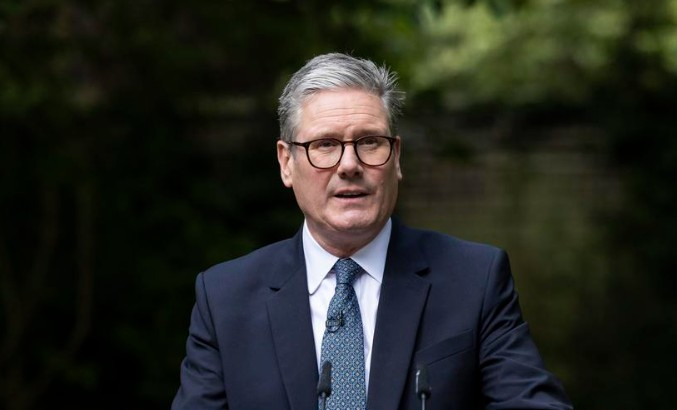
Meanwhile, UK Prime Minister Keir Starmer has maintained that Britain does not seek a broader military role in the Middle East conflict. Speaking earlier this week, he said the UK would not be drawn into a wider war, even as it evaluates options to support allies, including potential naval deployments to safeguard shipping routes in the strategically vital Strait of Hormuz.
Starmer acknowledged the complexity of the situation, noting that decisions on military involvement are "difficult," particularly amid pressure from the United States. He emphasised that while the UK remains committed to defending its interests and allies, it continues to pursue a diplomatic resolution to restore stability in the region.
On February 28, Israel and the United States launched joint attacks on Tehran and several other Iranian cities, killing Iran's Supreme Leader Ali Khamenei, along with senior military commanders and civilians.
Iran responded with waves of missile and drone strikes targeting Israel and US bases and assets across the Middle East.