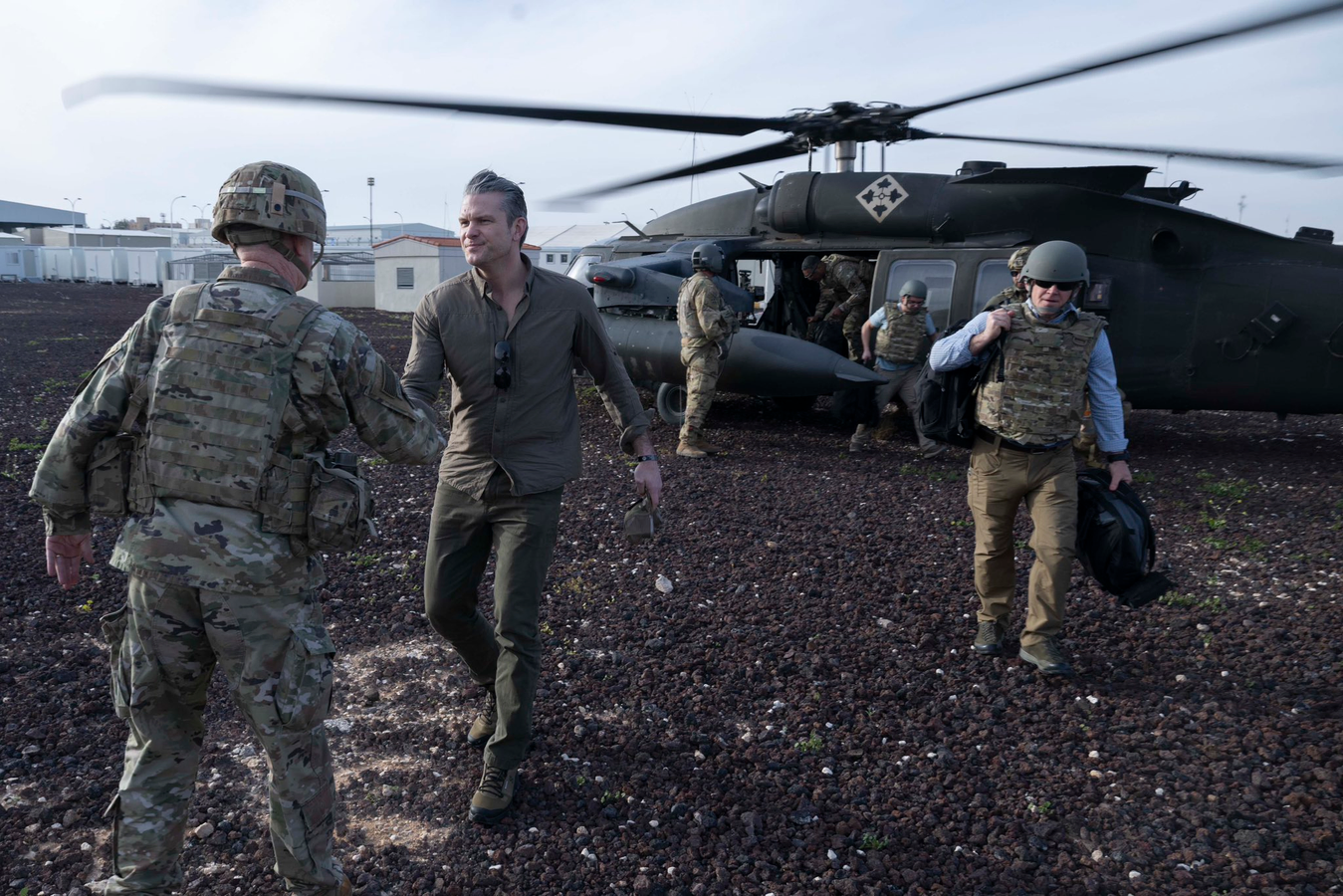
Washington, March 31 – US Defence Secretary Pete Hegseth stated on Tuesday that Washington has already taken steps to "create the conditions" for keeping the Strait of Hormuz operational, even as military operations against Iran continue.
"There are many more vessels passing through today than there were before," Hegseth told reporters at a Pentagon news conference here, adding that the US had made it clear to Iran that "it can operate freely, or… we have options."
He emphasized that the Strait of Hormuz is "an international waterway" and should not be seen solely as a US responsibility.
"The world should pay attention… it's not just the United States Navy," he said, noting that other powers should be prepared to contribute to securing maritime traffic.
Hegseth also pointed to the broader military effort underway, including targeting Iran's naval capabilities such as mine-laying systems, coastal cruise missiles, and unmanned aerial systems.
"We've been focused from the beginning on degrading and defeating those capabilities and limiting their options," he said.
US officials indicated that both visible and undisclosed measures are being implemented to safeguard the waterway, which remains a key transit route for global energy supplies.
"There's a lot we're doing… some of which is known, some of which is not known, to create the conditions," Hegseth said.
The Pentagon's emphasis on burden-sharing reflects growing calls for allied participation in securing international shipping lanes, particularly as tensions with Iran raise risks to commercial vessels.
The Strait of Hormuz, linking the Persian Gulf to global markets, is one of the world's most critical energy chokepoints. Any disruption could have immediate implications for oil-importing countries, including India.
The US has repeatedly warned that threats to the Strait would trigger a strong response, underlining its central role in global energy security and maritime stability.