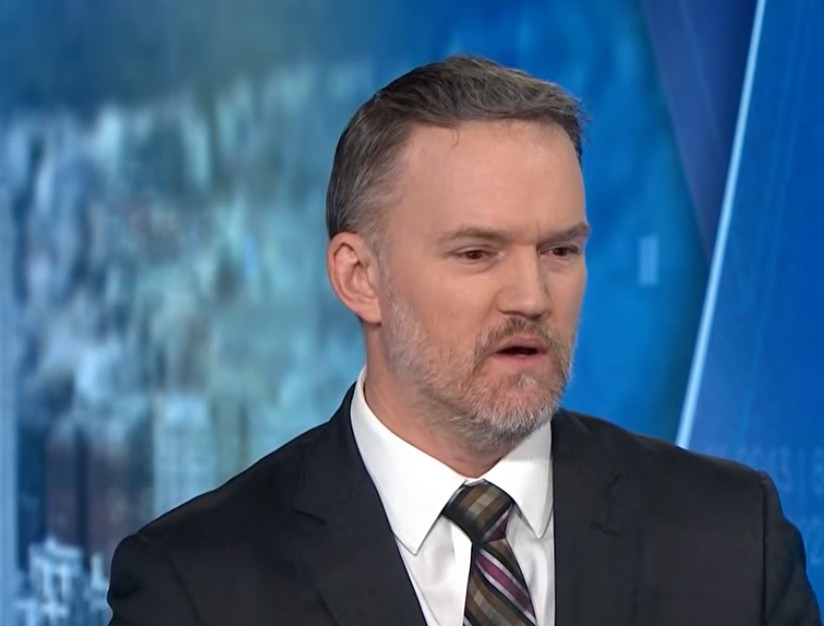
Washington, March 31 – US Trade Representative Jamieson Greer said on Tuesday that the US is largely insulated from supply chain disruptions stemming from tensions in the Strait of Hormuz, but these disruptions are impacting key Asian economies.
"Right now, I think the key thing to understand is that the United States is generally protected from many of the supply chain effects when it comes to... direct commodities," Greer told Bloomberg in an interview, noting reliance on "domestic sourcing" and supplies from regional partners.
However, he highlighted broader global consequences, particularly for Asia.
"We are aware that this has an impact in other countries, particularly in Asia. We know that their supplies are tight. And so we are closely monitoring the situation," Greer said.
The Strait of Hormuz is a critical artery for oil, liquefied petroleum gas, and fertilizers – commodities vital for economies such as India.
But Greer declined to offer a clear timeline for stabilization, saying operations were being approached "in terms of weeks" without "artificial timelines".
He added that US objectives in Iran included "destroying ballistic missiles, destroying the Navy, and making progress to ensure that they do not obtain a nuclear weapon".
On China, the US Trade Representative struck a cautiously optimistic tone ahead of planned leadership talks in May.
"Both sides (US and China) want stability. Both sides want to see continuity," he said, adding: "I see stability with China over the next year."
He said that recent engagements with Chinese officials focused on preparations for the upcoming summit and broader structural trade issues, rather than immediate geopolitical tensions.
"We were focused on preparing for the leaders meeting... We were talking about the WTO itself and the future of it," Greer said.
Greer was sharply critical of the World Trade Organisation's ability to address modern trade imbalances.
"The WTO has never been able to address these things, and it won't be going forward. It can barely address issues on its current agenda," he said.
He pointed to failed reform efforts, noting that proposals backed by several trading partners faced opposition.
"That's... exhibit A of how the WTO is unable to address these core challenges," Greer said.
On tariffs, Greer avoided committing to a return to earlier levels on Chinese imports, saying ongoing investigations under Section 301 would determine the outcome.
"I can't prejudge the investigations... we have to go through the legal process," the US Trade Representative said.
Still, he emphasised that Washington would continue to prioritize domestic industry.
"The President... is going to keep protecting our economy... so we can continue to have increased production in the US, increased wages here," Greer said.
Greer also highlighted efforts to reduce reliance on Chinese supply chains, particularly in rare earths.
"We have new projects in the United States... we are working with our counterparts... to increase supply chain security," he said.
He added that both sides were working towards formal mechanisms to manage trade flows.
"We've been talking about a board of trade... to help manage trade," Greer said, outlining US priorities such as exports of aircraft, medical devices and agricultural products.