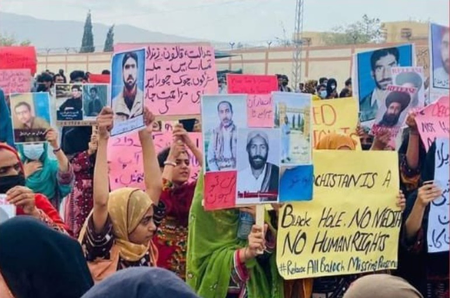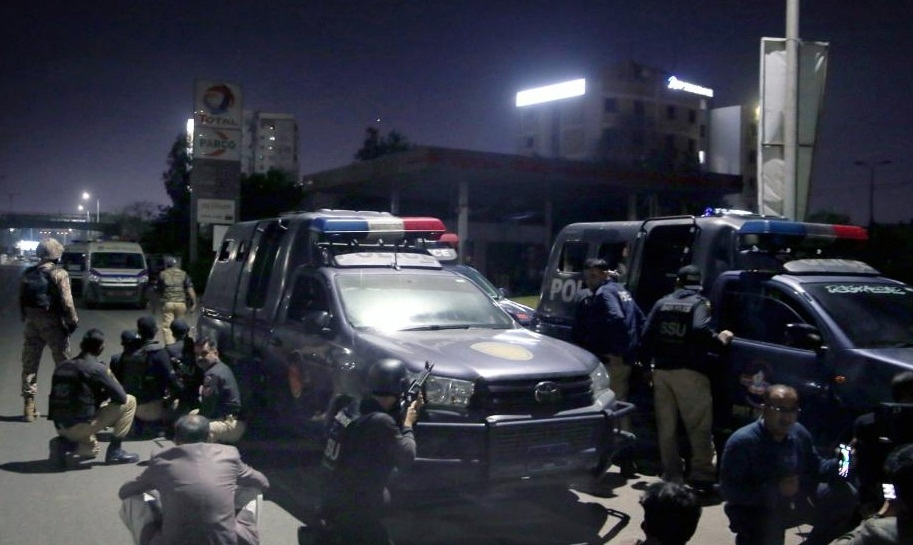
Quetta, March 1 – Following losses during the Baloch Liberation Army’s (BLA) Operation Herof, Pakistani police in Balochistan and Sindh killed 27 individuals who had been forcibly disappeared in Karachi, Quetta, and other locations, and later labelled them as armed militants, according to a report.
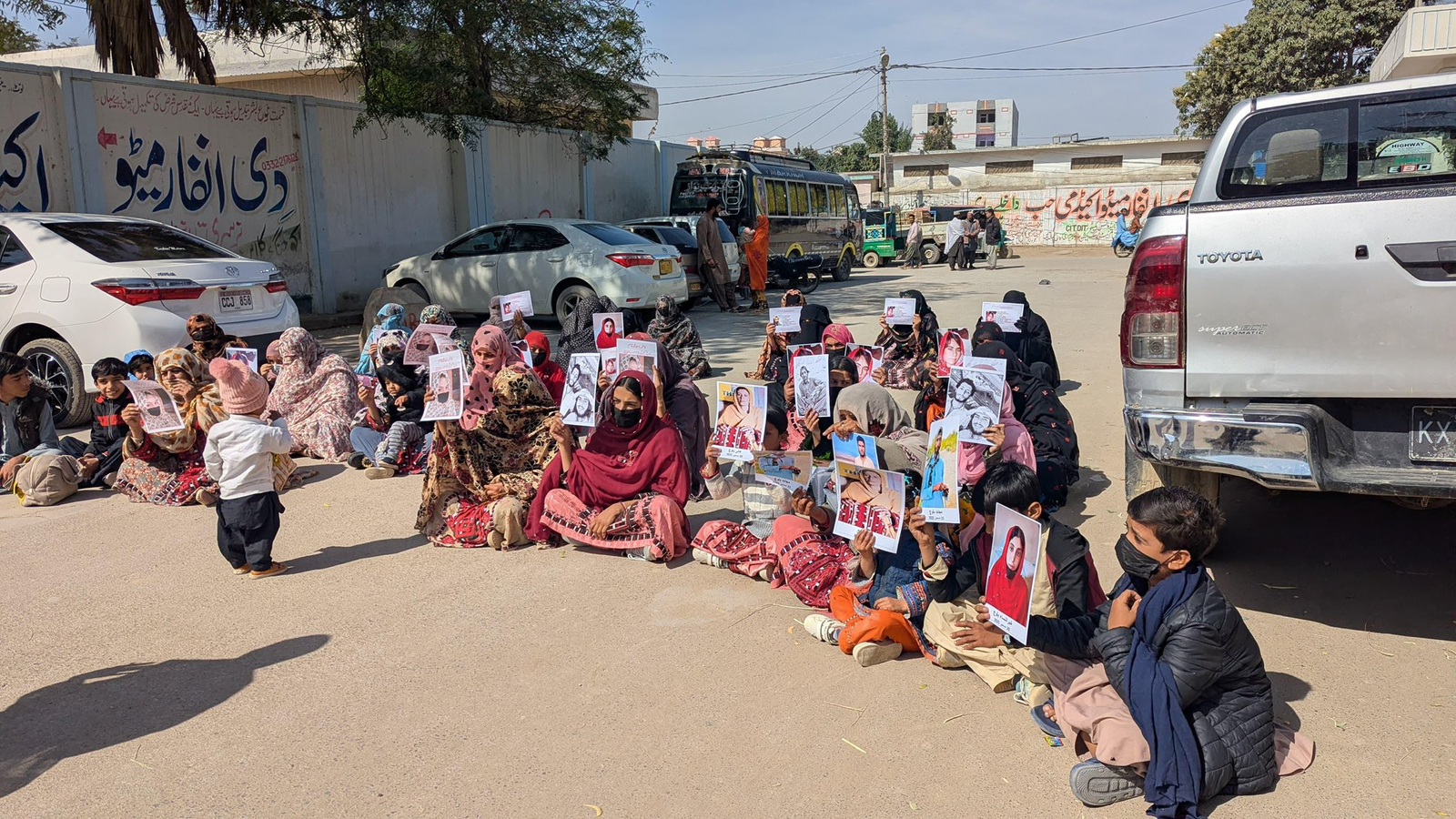
Baloch youth have been subjected to extrajudicial killings in Balochistan for over 20 years, and Pakistan is now also targeting their families as a form of collective punishment.
According to an editorial in The Balochistan Post, Hamdan Baloch was in the custody of the Sindh Police and was brought before the Sindh High Court twice. Despite this, authorities claimed that he was killed in an encounter, while his family has been subjected to continued harassment in an attempt to silence them.
"Whenever armed groups fighting for independence in Balochistan inflict losses on the Pakistani military, Pakistan’s security institutions routinely respond by killing previously forcibly disappeared persons in extrajudicial circumstances and then claiming they were killed during armed encounters," the editorial said.
"Following the losses suffered by the Baloch Liberation Army during Operation Herof, police in Balochistan and Sindh killed twenty-seven individuals who had been forcibly disappeared in Karachi, Barkhan, Panjgur, and Quetta, later describing them as armed militants. However, one of them, Hamdan Baloch, had already been brought before the Sindh High Court, and he was scheduled to appear in court on the very day he was killed," it added.
For years, Pakistan’s military and powerful state institutions have systematically killed Baloch. The killing of 27 individuals who had been forcibly disappeared in February is not the first incident of its kind in Balochistan. Instead, the pattern of killing individuals who had been forcibly disappeared in alleged encounters has continued for more than 10 years. However, only a limited number of such cases are reported due to restrictions on media access and state pressure in Balochistan.
"Pakistan’s powerful institutions appear to believe that enforced disappearances, state repression, collective punishment, and custodial killings can suppress the Baloch insurgency. However, the ground realities in Balochistan suggest that such policies are further weakening the relationship between Balochistan and Pakistan. The grief of Hamdan Baloch’s mother, along with the collective lament of other mothers affected by state repression, continues to erode the state’s legitimacy in the region," the editorial said.
On Friday, the Human Rights Council of Balochistan (HRCB) expressed grave concern over the alarming increase in violence across Balochistan, perpetrated both by Pakistani forces and non-state actors.
The rights body revealed that on February 25, unidentified armed men carried out a brutal attack in the Minaz area of Kech district, resulting in the killing of six people and injuring three others, including women and children.
Citing information, the HRCB stated that the assailants reportedly fired mortar shells at a home before opening heavy gunfire on those inside. The attackers also set three vehicles parked at the residence on fire.
"The killing of innocent civilians, particularly women and children, constitutes a grave violation of fundamental human rights and humanitarian principles. No political objective or security justification can legitimise such acts," the HRCB said.