New Delhi, March 6 – The mismanagement of Pakistan as a political entity by its ruling elite has led the country to periodic crises, which have been both political and economic in nature. This economic turmoil has necessitated 25 IMF programs, each of which has exacerbated Pakistan's structural problems rather than providing a pathway to sustainable growth and development, according to a report by a Pakistani media outlet.
The latest example is the ongoing program, in which the IMF has endorsed the government's free-spending fiscal policies while placing the burden of adjustment on ordinary Pakistanis. This endorsement comes on top of the repeated tolerance of shortcomings in structural and institutional reforms. According to a report by Sakib Sherani, a member of several past Prime Minister's economic advisory councils, in the Dawn newspaper, the IMF has failed to fulfill its basic responsibility to ordinary citizens of a member country.
Since 2023, under the auspices of the IMF, Pakistan has recorded the largest fiscal adjustment in its history – amounting to a cumulative 5.6 per cent of GDP. However, 73 per cent of this adjustment has come from revenue measures, placing the burden disproportionately on already-taxed formal firms, salaried individuals, and the less affluent through petroleum levies and indirect taxes.
At the same time, the government's extravagant spending has been tolerated by the IMF. Consolidated public expenditure, both federal and provincial, has risen by 60 per cent (FY23–FY26 budgeted) in nominal terms. Non-interest expenditure has increased by 70 per cent, with personnel-related spending increasing from Rs 3.7 trillion to Rs 5.9tr, a 59 per cent increase. Development spending driven by political patronage and pork barrel politics has also increased by 64 per cent. A large part of the government spending since 2022 has been in the form of political bribes to different institutional constituencies. Yet, the IMF has turned a blind eye, the article stated.
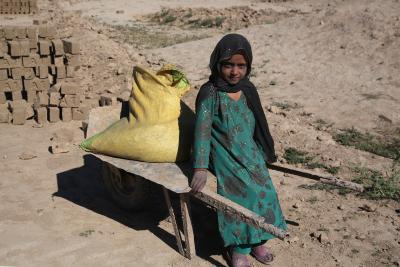
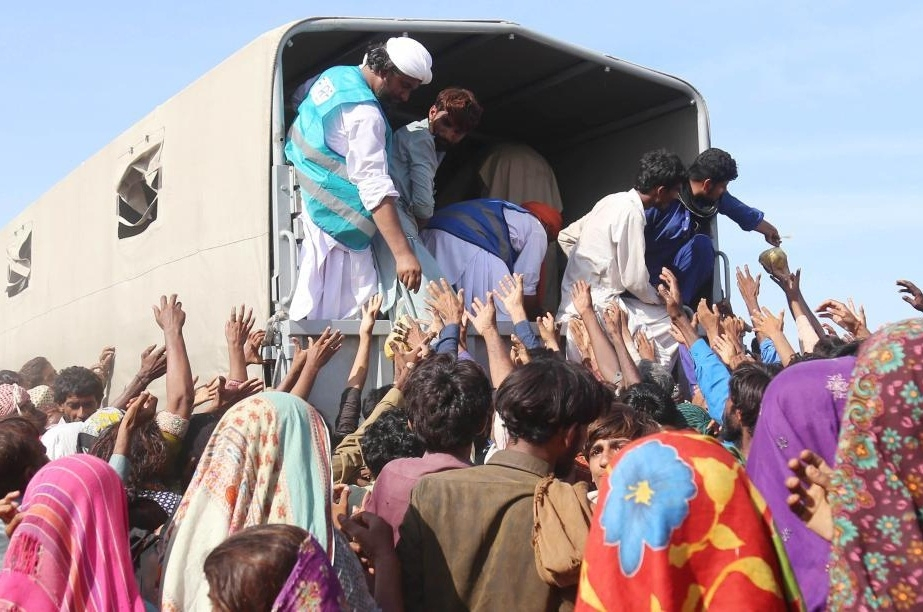
The combination of massive tax mobilization, cuts in subsidies, and the depreciation of the rupee has pushed 114 million Pakistanis (44.7 per cent of the population) below the poverty line, according to the World Bank's estimate as of June 2025. Unemployment stood at 18.8 million, according to the seventh Population and Housing Census 2023, with at least 6.7 million young people unemployed. Real wages of a representative sample of worker categories have declined by 27 per cent since March 2022. More Pakistanis are now food insecure than in 2022 (at a quarter of the population).
The IMF's design of the program, which has shifted virtually the entire burden of adjustment onto tax-compliant firms and ordinary Pakistanis, while protecting the government's extravagant spending on the creation of a new political order, might initially seem like a "technocratic" oversight, but it is anything but. It is a calculated and politically motivated move. The IMF is no innocent bystander or uninvolved observer. It reviews and approves the overall fiscal framework and major expenditure envelopes. To grant such blatant immunity to fiscal profligacy while overseeing the "austerity" program smacks of complicity, the article added.