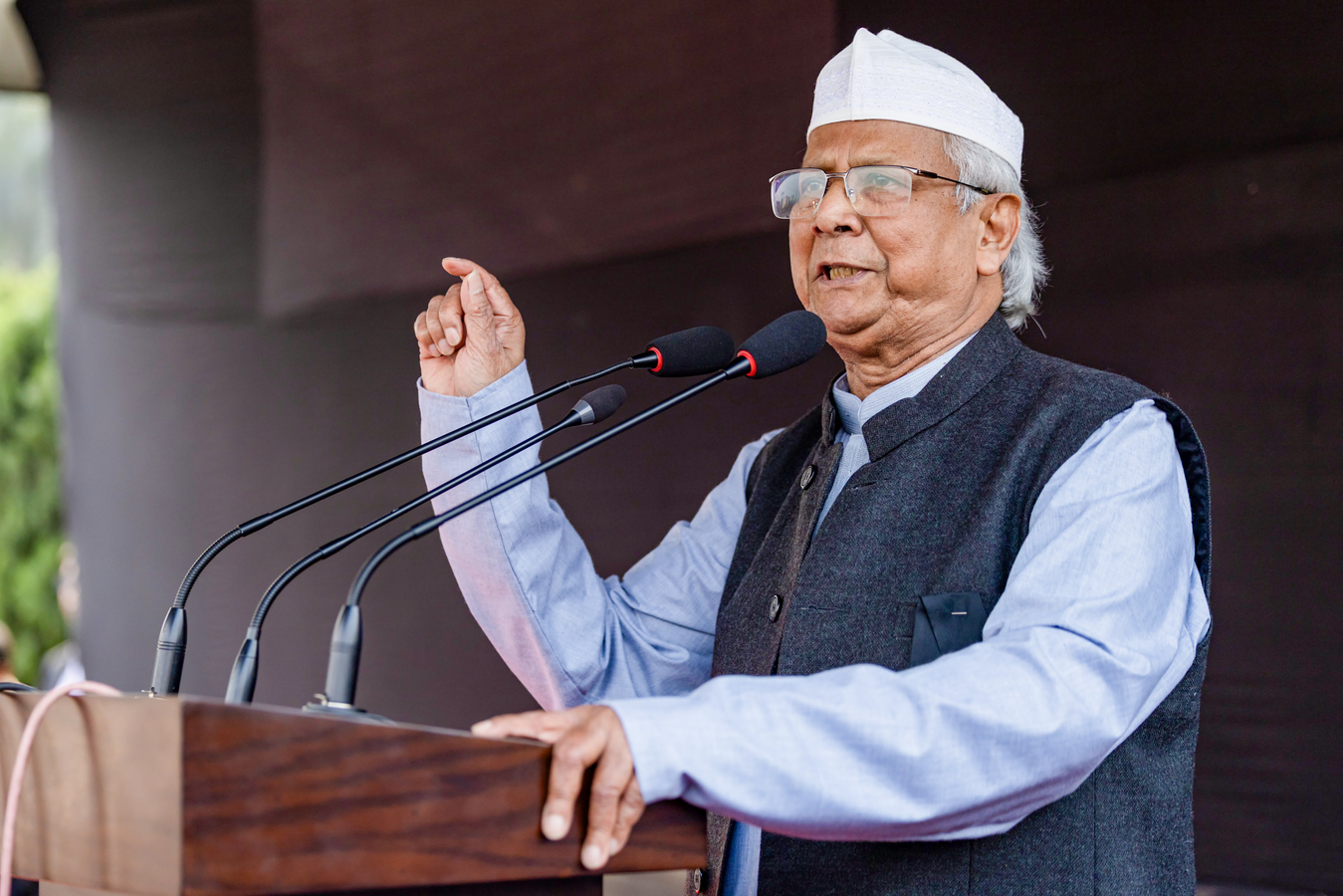
New Delhi, February 19 – With Tarique Rahman beginning his first term as Prime Minister of Bangladesh, all eyes are on how he will handle his neighboring countries. The initial signs have been positive, especially concerning India. However, security agencies caution against a resurgence in militancy in the wake of former Chief Advisor of Bangladesh, Muhammad Yunus, making remarks about "Seven Sisters" in his farewell speech recently.
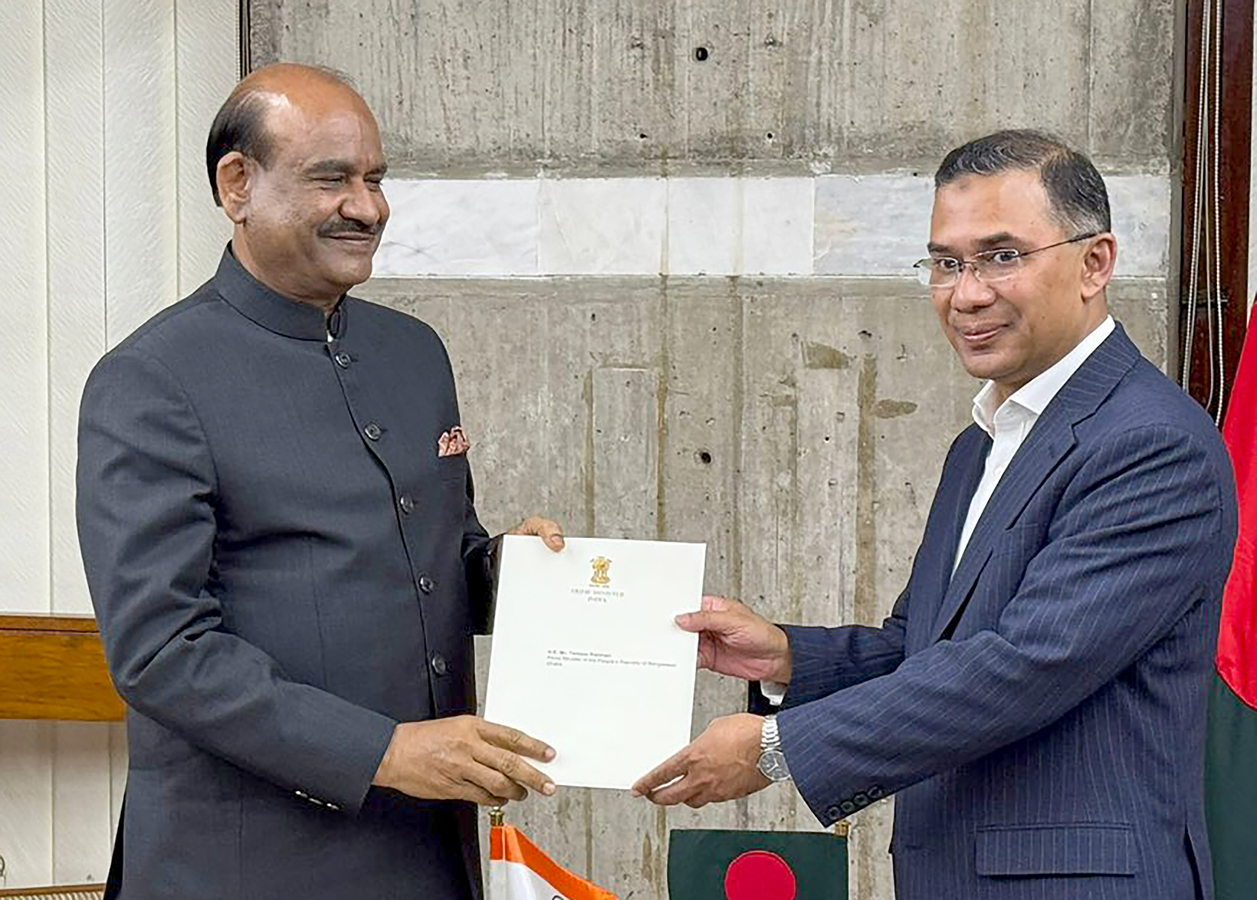
Prime Minister Narendra Modi was invited to Rahman's swearing-in ceremony, but he was unable to attend due to the ongoing India AI Impact Summit 2026 and a meeting with French President Emmanuel Macron.
Lok Sabha Speaker Om Birla represented India on behalf of PM Modi.
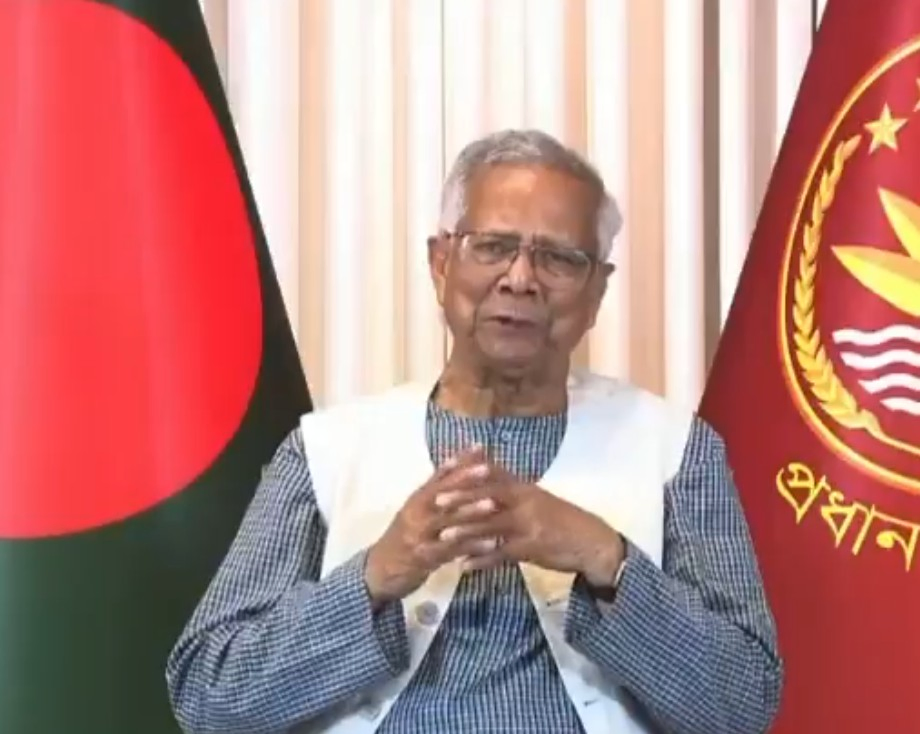
Prime Minister Rahman recognizes the importance of maintaining good relations with India, but Yunus made some provocative comments in his farewell speech. He again spoke about the future economic integration that would involve Nepal, Bhutan, and the "Seven Sisters" – a term used to refer to the northeastern states of India.
Observers of Bangladesh say that Yunus was clearly unhappy with the renewed ties between India and his country. He chose to isolate India when it came to Bangladesh. Instead, he fostered closer ties with Pakistan and Nepal, while allowing radical elements in his country to make anti-India statements.
Officials of the Intelligence Bureau say that the mention of the northeastern states is a matter of concern. In the past, India has faced problems when militant groups from the northeastern states operated from Bangladesh. During that period (2001-2006), the Bangladesh Nationalist Party (BNP) and Jamaat-e-Islami were in power.
At a time when India and Bangladesh are looking to reset ties, the comments by Yunus, especially regarding the "Seven Sisters," were irresponsible.
India has invested heavily in the northeastern states, some of which are very sensitive. India has battled insurgency in the northeast for a long time and has managed to bring the situation under control. Such statements by Yunus, involving states that are sensitive, appear to be deliberate and at the behest of foreign elements, officials point out.
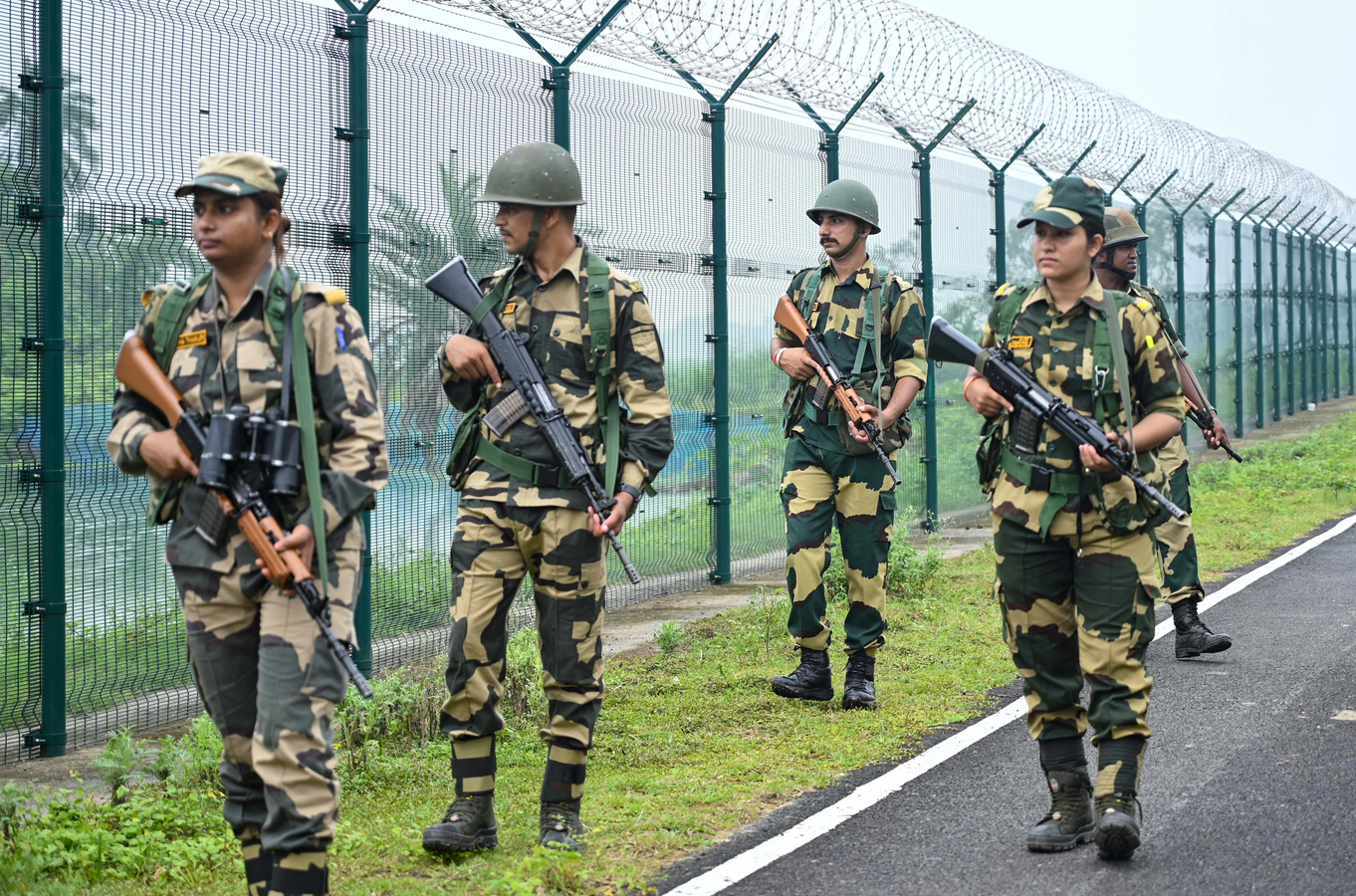
The statement also comes at a time when there is apprehension within Indian agencies about attempts to revive militant infrastructure in border regions.
India has dismantled such infrastructure with the help of Bangladesh. India will have to constantly engage with Dhaka to prevent the revival of such infrastructure.
An official of the Intelligence Bureau said that the Siliguri Corridor is extremely vulnerable. This is often referred to as the "Chicken's Neck" and it links the northeastern states to the rest of India. Taking into account the sensitivity of the area, the comments by Yunus are a deliberate attempt to provoke insurgent groups, some of which have the backing of China, the official added.
Adding to the worries of Indian security agencies is the fact that Jamaat has won a majority of seats in constituencies bordering India. Over the years, Jamaat has cultivated these constituencies by setting up radical schools, which indulge in propaganda.
Jamaat has often engaged in hate politics and its stance has mostly been anti-India. The fact that it has so much control over the border constituencies is a worry, as it could potentially help reactivate the terror infrastructure that has been dismantled.
An official said that reactivating the infrastructure may not be easy, as India is on guard. However, for security agencies, it would be an ongoing process to ensure that the borders remain safe, the official also added.
Another official said that Yunus's actions are clearly being controlled by foreign players. Throughout his farewell speech, he spoke extensively about China and Pakistan, while deliberately ignoring India.
While he spoke in great detail about his achievements during the last 1.5 years, he made no mention of how badly he handled communal violence. Under him, Hindus and other minorities were persecuted and killed, while scores of radical preachers and terrorists were released and allowed to roam freely.