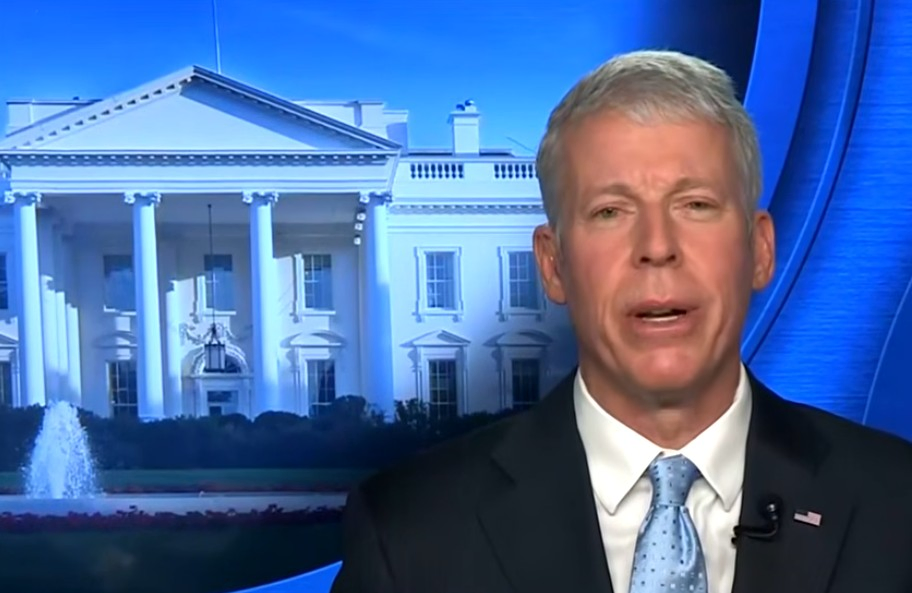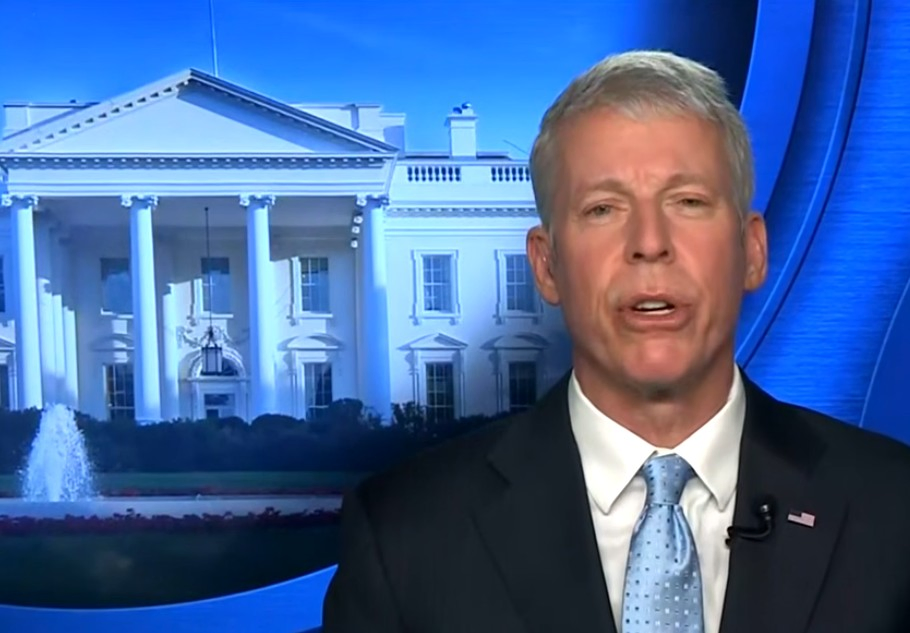
Washington, March 8 The United States of America urged India to release more than 100 million barrels of Russian crude that was waiting offshore for Chinese refineries, in an effort to cool rising oil prices during the Iran conflict, Energy Secretary Chris Wright said on Sunday.
Speaking in interviews on US television programmes, including CNN and CBS News, Wright said the Trump administration directly contacted India as part of a short-term effort to stabilize energy markets that were disrupted by events in the Middle East.
"I did call the Indians, as did Treasury Secretary (Scott) Besant, and said, 'Look, there's a lot of oil that's waiting offshore to be unloaded at Chinese refineries,'" Wright added.
"There are over 100 million barrels of Russian crude waiting to be delivered to China," Wright said.
According to the US Energy Secretary, the proposal was to redirect those cargoes to Indian refineries rather than allowing them to remain idle offshore while waiting for Chinese unloading slots.
"Instead of having it wait for six weeks to unload, let's just move that oil forward, have it land at Indian refineries, and address the fear of a shortage, reduce price spikes, and the concerns we see in the market," Wright said.
He described the move as a temporary and pragmatic step aimed at preventing panic in global oil markets as the conflict involving Iran disrupted key energy shipping routes.
"It's just a pragmatic effort that has a short time span," Wright said.
The US Energy Secretary stressed that the step does not represent any shift in Washington's broader policy toward Russia.
"It's not. The United States' policy towards Russia has not changed at all," Wright said when asked whether the move undermined the US administration's efforts to limit reliance on Russian oil.
He added that the world currently has sufficient oil supplies and that recent price spikes are driven more by market anxiety and logistical disruptions than by an actual shortage of crude.
"The world is very well supplied with oil right now," Wright said.
"You're seeing a little bit of fear premium in the marketplace. But the world is not short of oil today or natural gas."
The ongoing conflict in the Middle East has disrupted tanker traffic through the Strait of Hormuz, one of the world's most critical oil shipping corridors.
Wright said shipping through the waterway had begun to resume but remained far below normal levels.
"We're nowhere near normal traffic right now. And that will take some time," he added.
"But, again, in the worst case, that's just a few weeks. That's not months."