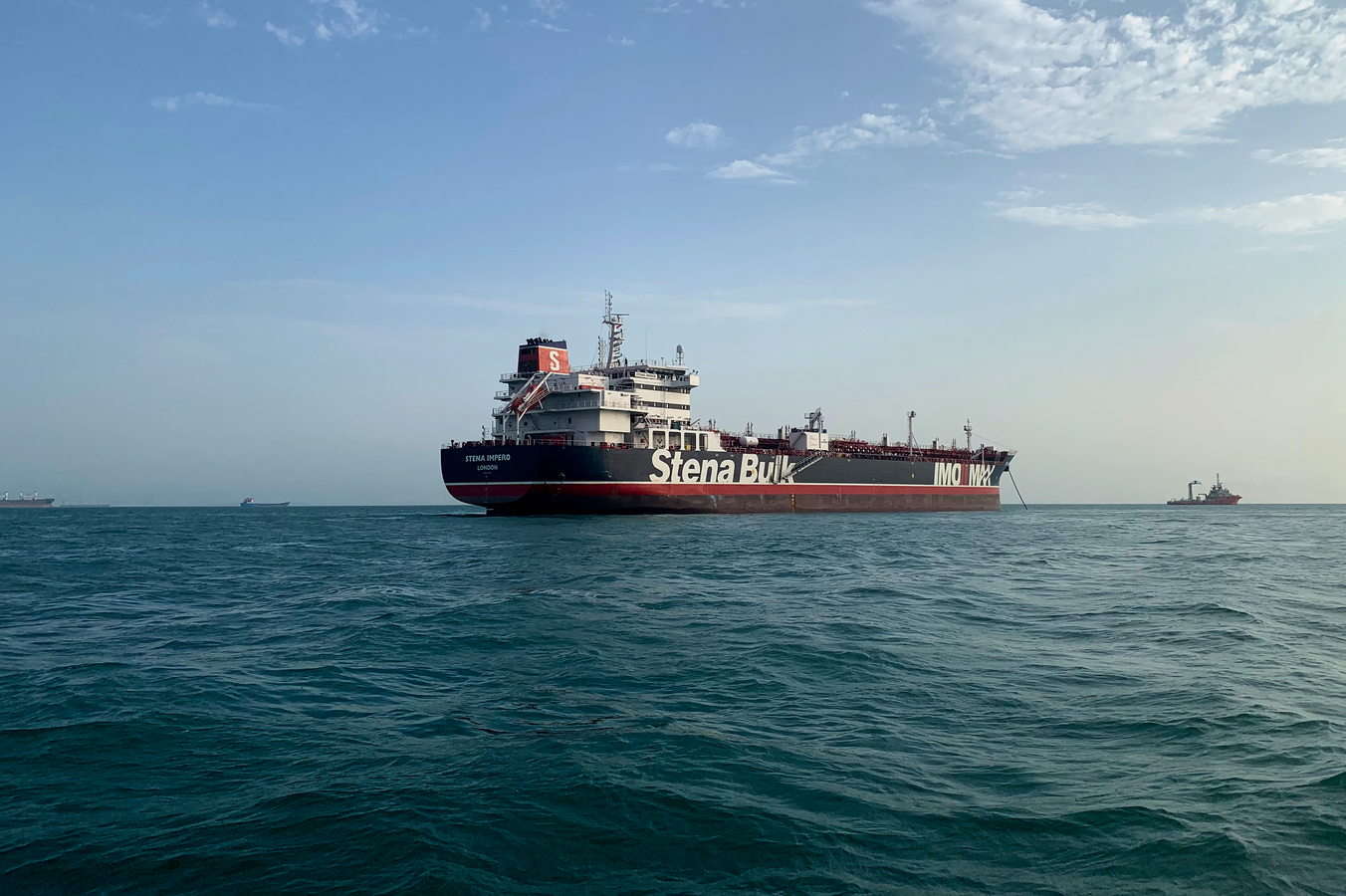
New Delhi, April 2 – The Ministry of External Affairs (MEA) said on Thursday that six Indian ships carrying products such as LPG and LNG have safely crossed the Strait of Hormuz so far, as New Delhi remains in contact with Iran and other countries to ensure the safe transit of Indian ships amid the ongoing conflict in the region.
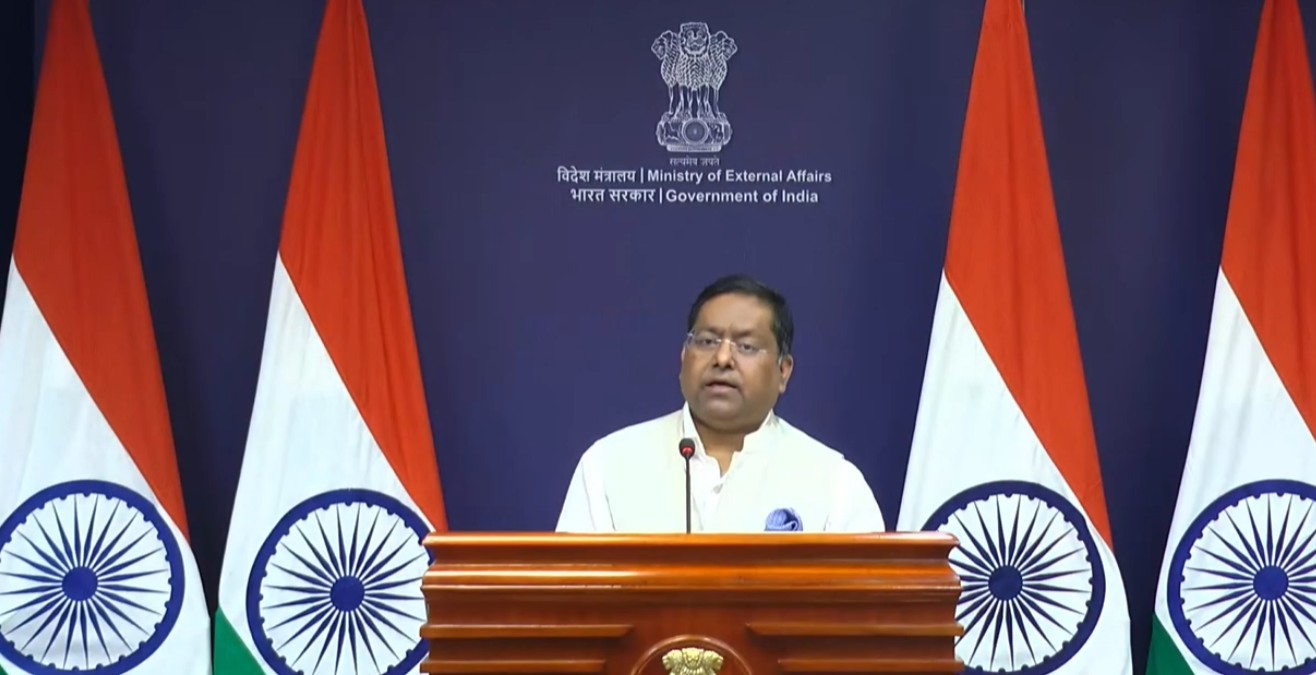
Addressing a weekly media briefing in New Delhi, MEA spokesperson Randhir Jaiswal also confirmed India’s participation in a meeting on the Strait of Hormuz, which the UK is hosting later on Thursday.
When asked whether the Indian government is in talks with Iran and other nations to expedite the movement of 18 Indian-flagged vessels carrying crude oil and LPG that are stranded in the Persian Gulf, Jaiswal responded, "We are in contact with Iran and other countries to see how best we can ensure unimpeded transit and safe transit for our ships, which are carrying products, including LPG, LNG, and other goods. Through this conversation that we have had over the last several days, we have been able to get six Indian ships safely across the Hormuz, and we continue to be in contact with relevant parties on this matter."
In response to another question, he said, "The UK side has invited several countries, including India, for talks on the Strait of Hormuz. From our side, the Foreign Secretary is attending the meeting this evening."
The ongoing conflict in West Asia has raised concerns about regional stability and global energy markets, particularly due to the strategic importance of the Strait of Hormuz, a key oil transit route.
When asked about certain reports which mentioned that India is paying a toll for the transit of Indian ships through the Strait of Hormuz, Jaiswal responded, "We had clarified this issue earlier. There has been no discussion of this nature between us and Iran."
Last month, Iran announced that it will not impose restrictions on vessels belonging to five "friendly" countries, including India, allowing them to pass through the strategically crucial Strait of Hormuz, even as access remains limited for others.
In an interview with Iranian state television, Iranian Foreign Minister Seyed Abbas Araghchi clarified that the Strait of Hormuz has not been completely shut and that certain countries with which Iran maintains friendly relations have been exempted from restrictions.
"There is no reason to allow the enemy to pass through the Strait. We have permitted certain countries that we consider friendly to pass through; we allowed China, Russia, India, Iraq, and Pakistan to transit," Araghchi was quoted as saying by Iran’s official news agency.
On March 21, Prime Minister Narendra Modi spoke with Iranian President Masoud Pezeshkian, discussing the security situation in the West Asia region. During the call, PM Modi condemned attacks on critical infrastructure in the region and also asserted the significance of safeguarding freedom of navigation along with keeping the shipping lanes open and secure.
Both leaders had earlier spoken over the phone on March 12 when PM Modi had voiced his concern over the escalation of tensions in the region, pointing to the loss of civilian lives and damage to infrastructure. He had also reiterated India's consistent position that all issues must be resolved through dialogue and diplomacy.