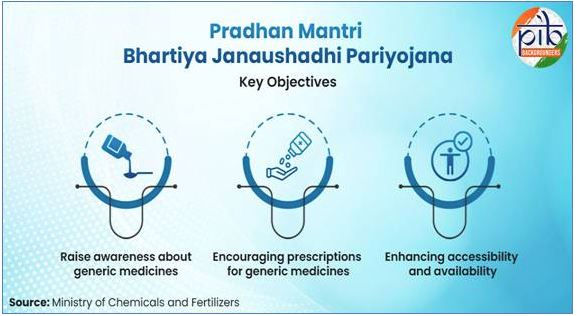
March 07, New Delhi: The Pradhan Mantri Bharatiya Janaushadhi Pariyojana (PMBJP) continues to strengthen affordable healthcare access by supplying quality generic medicines at significantly lower prices through a nationwide network of Jan Aushadhi Kendras (JAKs).
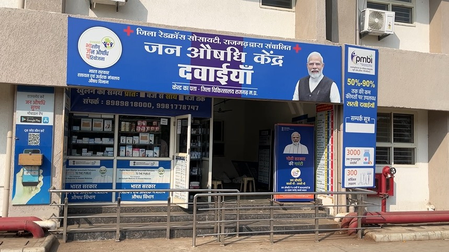
Currently, more than 18,000 Jan Aushadhi Kendras are operational across the country, offering medicines that are generally 50–80 per cent cheaper than branded alternatives. The government has set a target to expand this network to 25,000 Kendras by March 2027 through a franchise-based model to ensure wider access, including in rural and remote areas.
The scheme currently provides a product portfolio of 2,110 medicines and 315 surgical items, medical consumables and devices across 29 therapeutic categories such as anti-diabetics, cardiovascular medicines, anti-infectives and anti-cancer drugs. Around 10–12 lakh people visit these Kendras daily to obtain affordable medicines. By June 2025, Jan Aushadhi medicines worth ₹7,700 crore in MRP value had been sold, generating estimated savings of about ₹38,000 crore for citizens compared to branded medicines.
To promote awareness, Janaushadhi Saptah 2026 was organized across the country, culminating in the observance of the 8th Janaushadhi Diwas on March 7. Health check-up camps were held at more than 250 locations between March 1 and 5 by the Pharmaceuticals and Medical Devices Bureau of India under the Department of Pharmaceuticals, Ministry of Chemicals and Fertilizers.
The scheme also includes citizen-focused initiatives such as Jan Aushadhi Suvidha – biodegradable sanitary napkins, priced at ₹1 per pad – to improve menstrual hygiene accessibility. By January 31, 2026, over 100 crore sanitary pads had been sold under the initiative.
A digital initiative, the Jan Aushadhi Sugam mobile application, helps citizens locate the nearest Jan Aushadhi Kendra, check medicine availability and compare prices with branded alternatives.
To strengthen last-mile access, Jan Aushadhi Kendras have also been opened at railway stations and government hospitals. As of January 31, 2026, 116 Kendras were operational at railway stations across the country.
The scheme further promotes inclusive entrepreneurship by offering special incentives of up to ₹2 lakh to women, SC/ST entrepreneurs, Divyangjan and those opening Kendras in aspirational districts, Himalayan and North-Eastern regions. Operators also receive trade margins and performance-linked incentives to ensure the sustainability of these outlets.
Through expanding infrastructure, digital tools and targeted incentives, the PMBJP continues to play a key role in reducing healthcare expenditure and improving access to affordable medicines across India.
Source: PIB