New Delhi, April 5 – India has emerged as a significant supplier of food aid to African countries like Mozambique, Malawi, and Burkina Faso, as part of New Delhi's humanitarian outreach and commitment to the development of the Global South, the Ministry of External Affairs said on Sunday.
India has sent 1,000 metric tonnes of rice to drought-hit Malawi, another 1,000 metric tonnes to Burkina Faso, and 500 metric tonnes to flood-affected Mozambique, along with relief supplies.
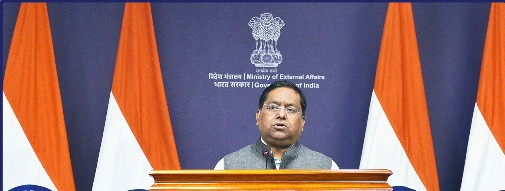
India's External Affairs Ministry Spokesperson Randhir Jaiswal said, "India has sent a consignment of 1,000 metric tons of rice to Burkina Faso as humanitarian assistance. This is aimed at supporting food security for vulnerable communities and internally displaced persons. This gesture reflects India's continued commitment as a reliable partner for developmental and humanitarian assistance and disaster relief to countries in the Global South.
This humanitarian effort comes at a time when several African countries are facing severe challenges.
Burkina Faso is facing one of the region's most serious humanitarian emergencies, with millions in need of assistance, along with years of violence linked to Islamist armed groups and political upheaval since the 2022 coup.
Malawi has been struggling with food shortages linked to the El Nino-related drought, while Mozambique has faced destructive flooding, according to an article in the Jerusalem Post.
At the same time, India is looking beyond just relief shipments.
A March 31 working paper from the Centre for Social and Economic Progress said that Africa holds more than 30 per cent of global reserves of critical and transition minerals and that India should move beyond simple extraction or concessional finance toward partnerships built on technology transfer, workforce training, and shared value creation.
The paper focuses on Zambia, Zimbabwe, and Tanzania as key cases for future cooperation, the article noted.
"This combination of humanitarian outreach and resource diplomacy suggests that India wants a larger role in Africa at a time when China and the US are already competing hard for influence, infrastructure, and supply chains. The result is a strategy that looks both charitable and hard-headed: rice for today, minerals for tomorrow," the article said.