April 07, New Delhi — In a major milestone for India’s nuclear energy program, the 500 MWe Prototype Fast Breeder Reactor (PFBR) at Kalpakkam achieved its first criticality on April 6.
The country continues to expand its clean energy portfolio, and fast breeder reactors will play a crucial role in delivering reliable, low-carbon, base-load power with higher thermal efficiency.
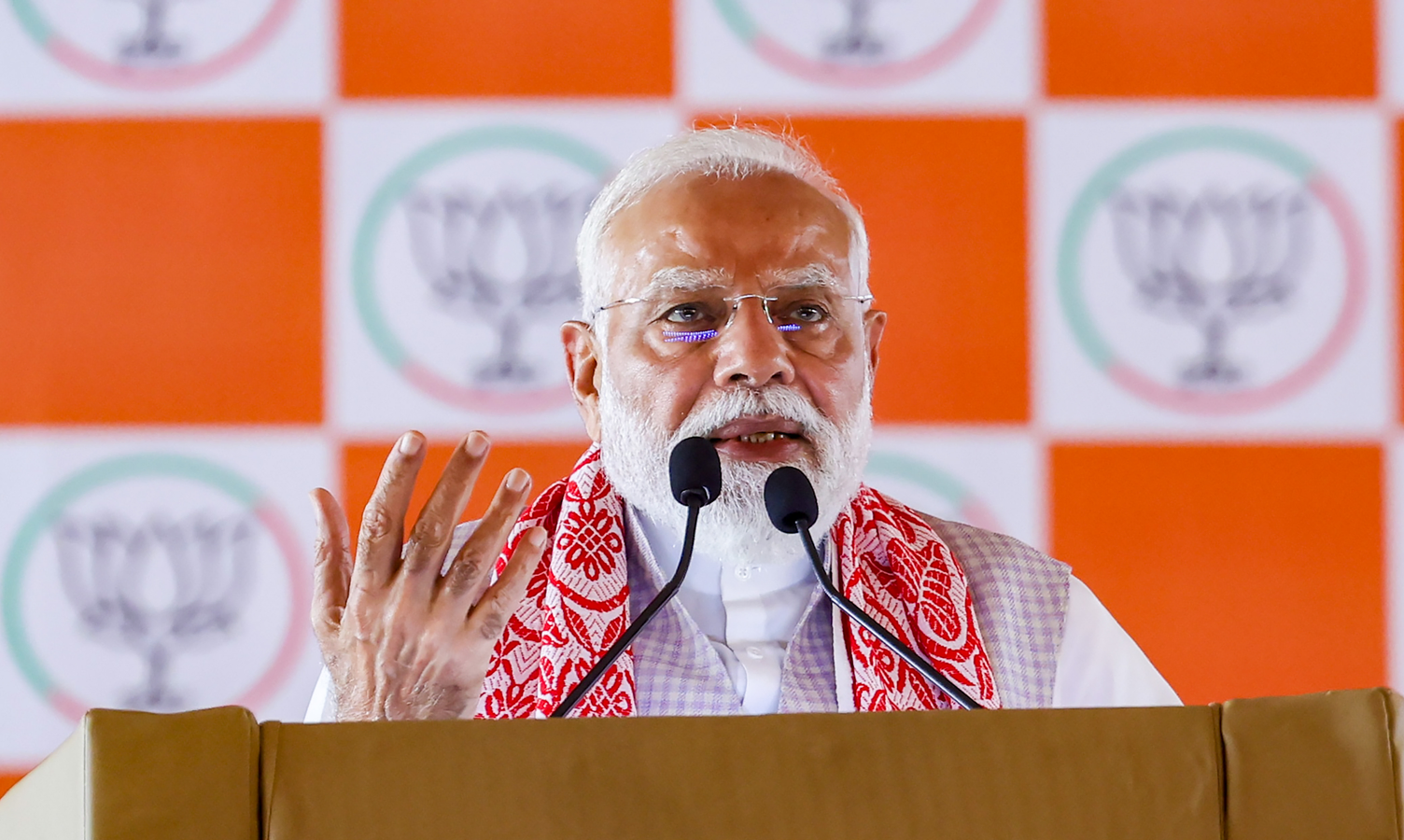
Prime Minister Narendra Modi described it as a proud moment for the nation, calling it a defining step in India’s civil nuclear journey and the second stage of its nuclear power program.
He highlighted that the domestically designed and built reactor reflects the country’s scientific and engineering capabilities and will help harness vast thorium reserves in the future.
With this achievement, India moves closer to realizing its three-stage nuclear power program. Fast Breeder Reactors play a crucial role in this strategy by producing more fuel than they consume.
The PFBR uses uranium-plutonium mixed oxide (MOX) fuel and is designed to convert fertile uranium-238 into fissile plutonium-239.
In later stages, it will enable the use of thorium-232 to produce uranium-233, paving the way for sustainable and large-scale nuclear energy generation.
Achieving this milestone demonstrates the strength of India’s indigenous design, engineering, and manufacturing ecosystem.
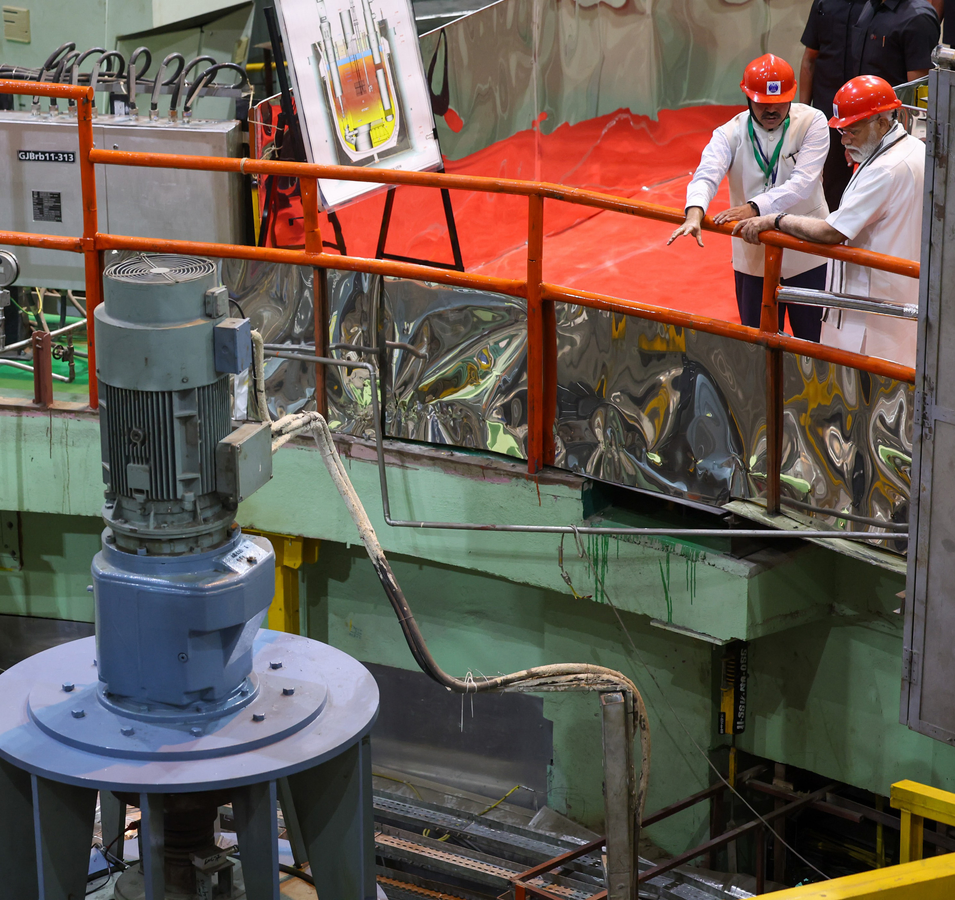
All Photo: File/Prime Minister Narendra Modi witnesses the initiation of core loading of India’s indigenous Prototype Fast Breeder Reactor (PFBR) of 500 MWe capacity at Kalpakkam, in Tamil Nadu on March 04, 2024.