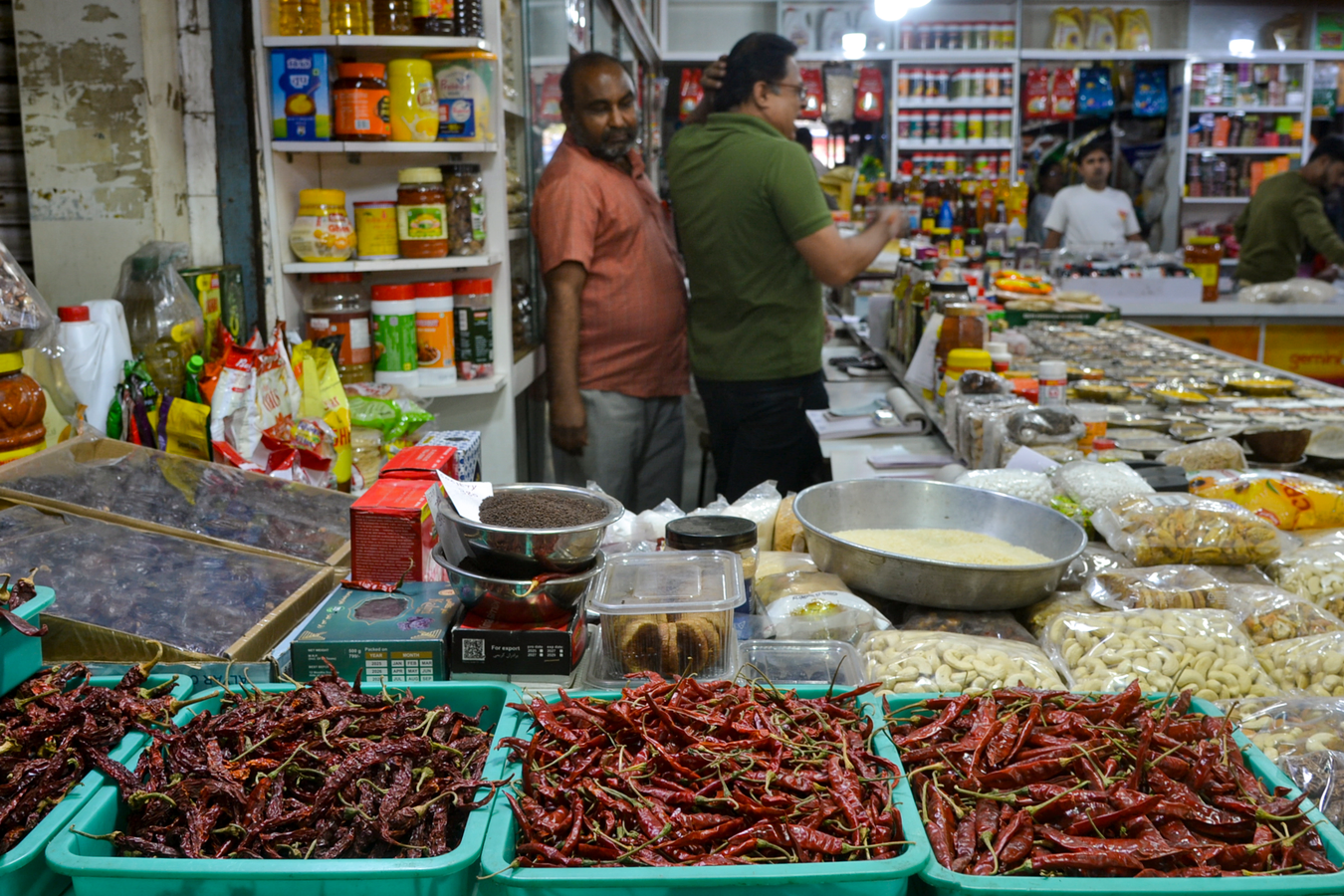
New Delhi, March 12 Retail inflation rose to 3.21 per cent in February compared to 2.74 per cent in the previous month, mainly driven by higher food prices, according to government data released on Thursday.
However, the consumer price index (CPI)-based retail inflation remained within the Reserve Bank's target of 2-4 per cent. The government has mandated the central bank to ensure that inflation remains at 4 per cent with a margin of 2 per cent on either side.
The February inflation data is based on the new CPI series with a base year of 2024, released last month.
Food inflation in February rose sequentially to 3.47 per cent from 2.13 per cent in January, according to data released by the National Statistics Office (NSO).
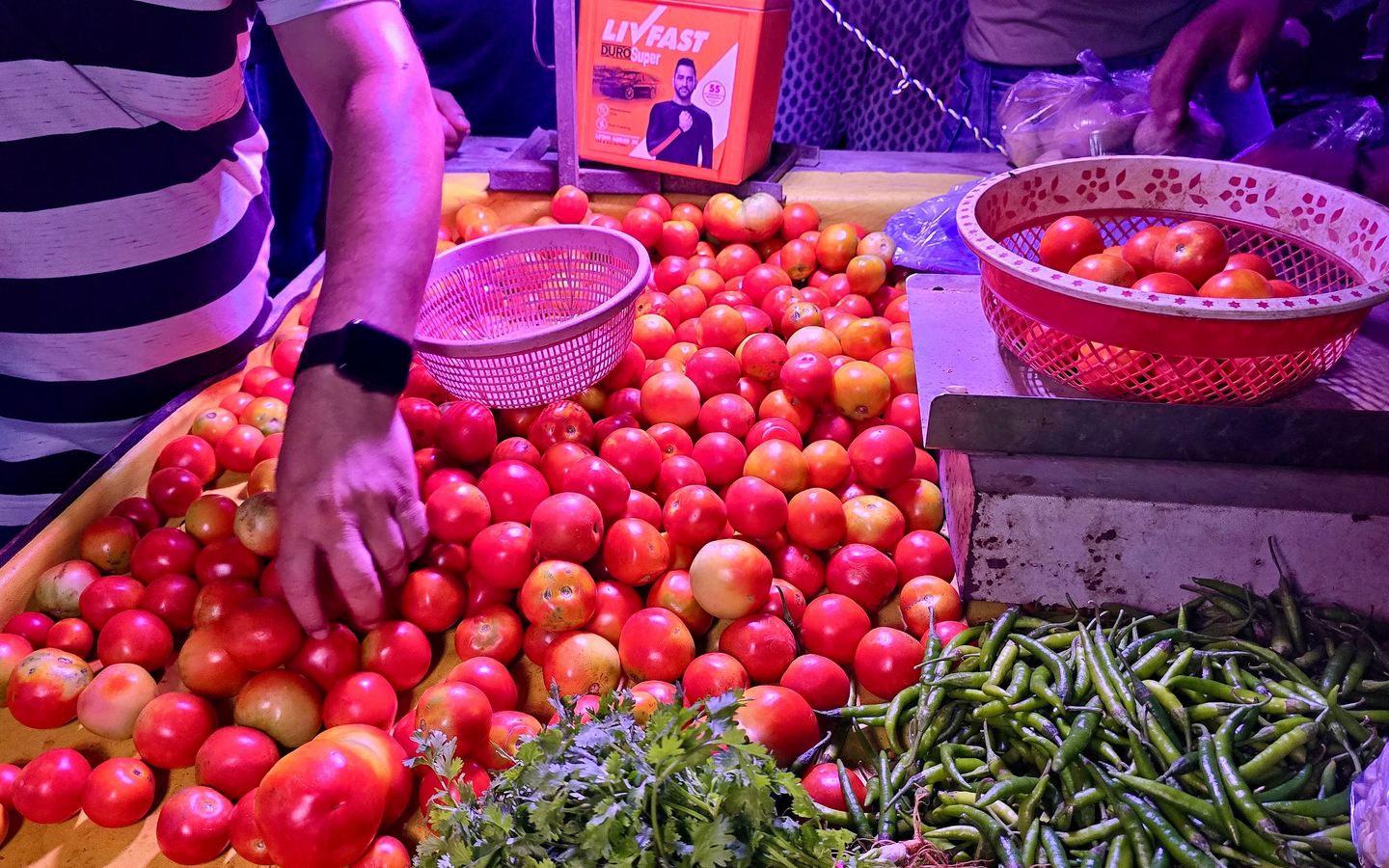
The major items that witnessed a high pace of price increase were 'silver, gold, diamond, platinum jewellery', coconut-copra, tomato, and cauliflower.
On the other hand, there was disinflation in garlic, onion, potato, arhar, and litchi.
Inflation rates for rural and urban areas were at 3.37 per cent and 3.02 per cent, respectively.
Aditi Nayar, Chief Economist, ICRA, said that the increase in inflation was almost entirely due to the food and beverage (F&B) segment, which accounted for as much as 44 bps of the 47 bps rise in the headline print between these months.
Core inflation (CPI excluding F&B and electricity, gas and other fuels) remained unchanged at 3.4 per cent between January and February.
Nayar further said that the ongoing geopolitical tensions in West Asia pose upside risks to the CPI inflation trajectory, if sustained for an extended period.
According to ICRA's analysis, every 10 per cent increase in average crude oil prices increases the CPI inflation by 40-60 bps, assuming that a full transmission into retail selling prices (RSPs) of auto fuels takes place.
"The heightened uncertainty stemming from geopolitics into India's growth and inflation outlook supports the case for a (interest rate cut) pause in the upcoming April 2026 Monetary Policy Committee (MPC) meeting," Nayar said.
The next meeting of the MPC is scheduled for April 6-8.
Vivek Rathi, National Director-Research, Knight Frank India, said that CPI inflation reflects a mix of statistical adjustments and underlying price pressures.
"The revision of the CPI base year and the reduced weight of the food basket have altered the composition of the headline print. Meanwhile, firm price pressures in non-food and fuel categories, alongside rising precious metal prices, have contributed to inflation," Rathi said.
The NSO data further showed that the highest inflation was in Telangana at 5.02 per cent and the lowest in Mizoram at 0.1 per cent.
NSO said that real-time price data were collected from selected 1,407 urban markets (including online platforms) and 1,465 villages.