New Delhi, March 23 – The current stock of crude oil held as part of India's strategic reserves is approximately 3.372 million metric tonnes (MMT), which represents 64 per cent of the total storage capacity of these reserves, the Parliament was informed on Monday.
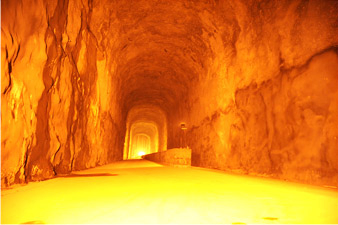
Through a Special Purpose Vehicle called the Indian Strategic Petroleum Reserve Limited (ISPRL), the government has established Strategic Petroleum Reserve (SPR) facilities with a total capacity of 5.33 million metric tonnes (MMT) of crude oil at three locations in Andhra Pradesh and Karnataka, which can serve as a buffer against short-term supply shocks, Minister of State for Petroleum and Natural Gas Suresh Gopi said in a written reply to a question in the Rajya Sabha.
The exact quantity of crude oil available in these coastal caverns varies depending on market conditions. The actual reserve is a dynamic figure, depending on both the stocks and actual consumption, neither of which are static. Currently, ISPRL has approximately 3.372 MMT of crude stock available, which represents around 64 per cent of the total storage capacity, the minister stated.
In July 2021, the government also approved the establishment of two additional commercial-cum strategic petroleum reserve facilities with a total storage capacity of 6.5 MMT in Odisha and Karnataka, he added.
The minister further stated that to ensure the security of crude supplies and to mitigate the risk of dependence on crude oil from a single region, oil and gas public sector enterprises (PSEs), which are board-run entities, source crude oil from diverse sources depending on their technical and commercial considerations. Currently, these PSEs import crude oil from 41 countries, including new suppliers such as the USA, Nigeria, Angola, Canada, Colombia, Brazil, and Mexico, in addition to traditional suppliers in the Middle East such as Iraq, Saudi Arabia, UAE, Kuwait, and Qatar.
India has diversified its oil and gas imports from sources other than the Middle East following the blockage of the Strait of Hormuz, through which 20 per cent of the world's oil and gas exports transit. As much as 70 per cent of the country's oil imports now come from countries outside the Gulf.