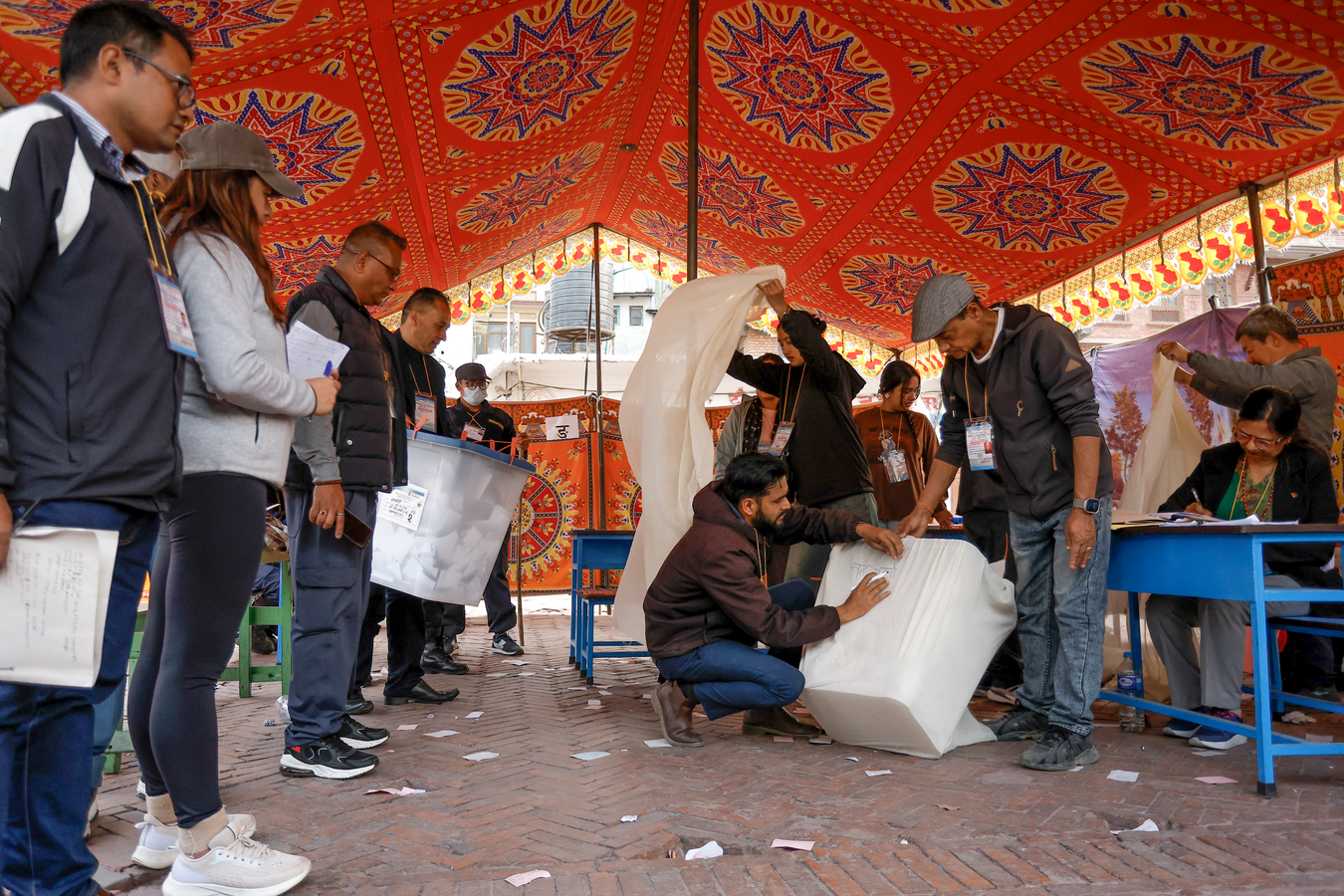
Kathmandu, March 6 The newly-formed Rastriya Swatantra Party (RSP) has won one seat and is leading in another 36, while the Nepali Congress is ahead on five, the CPN (UML) on three, and the Nepali Communist Party on one, according to preliminary results in 46 constituencies where counting is in progress.
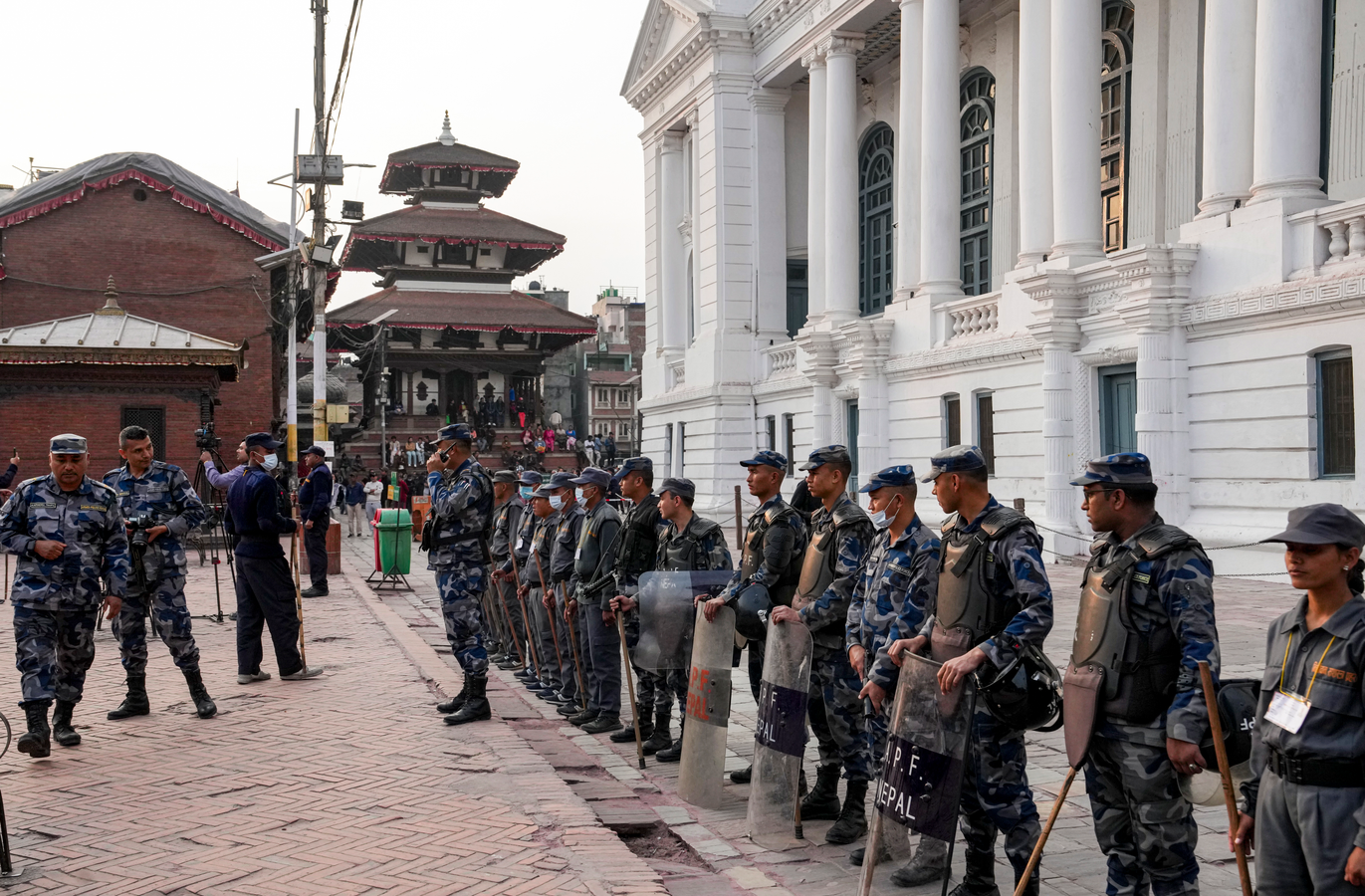
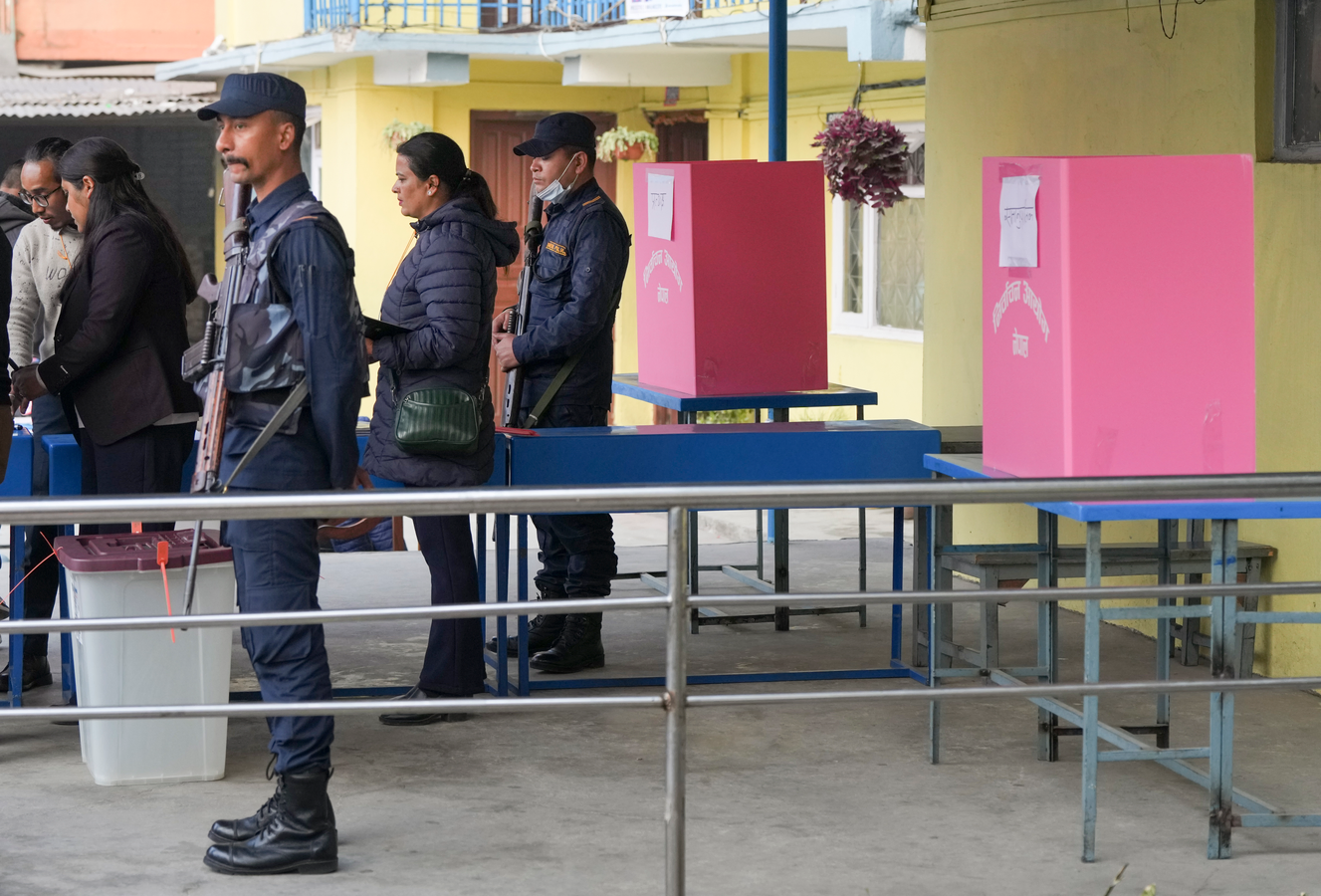
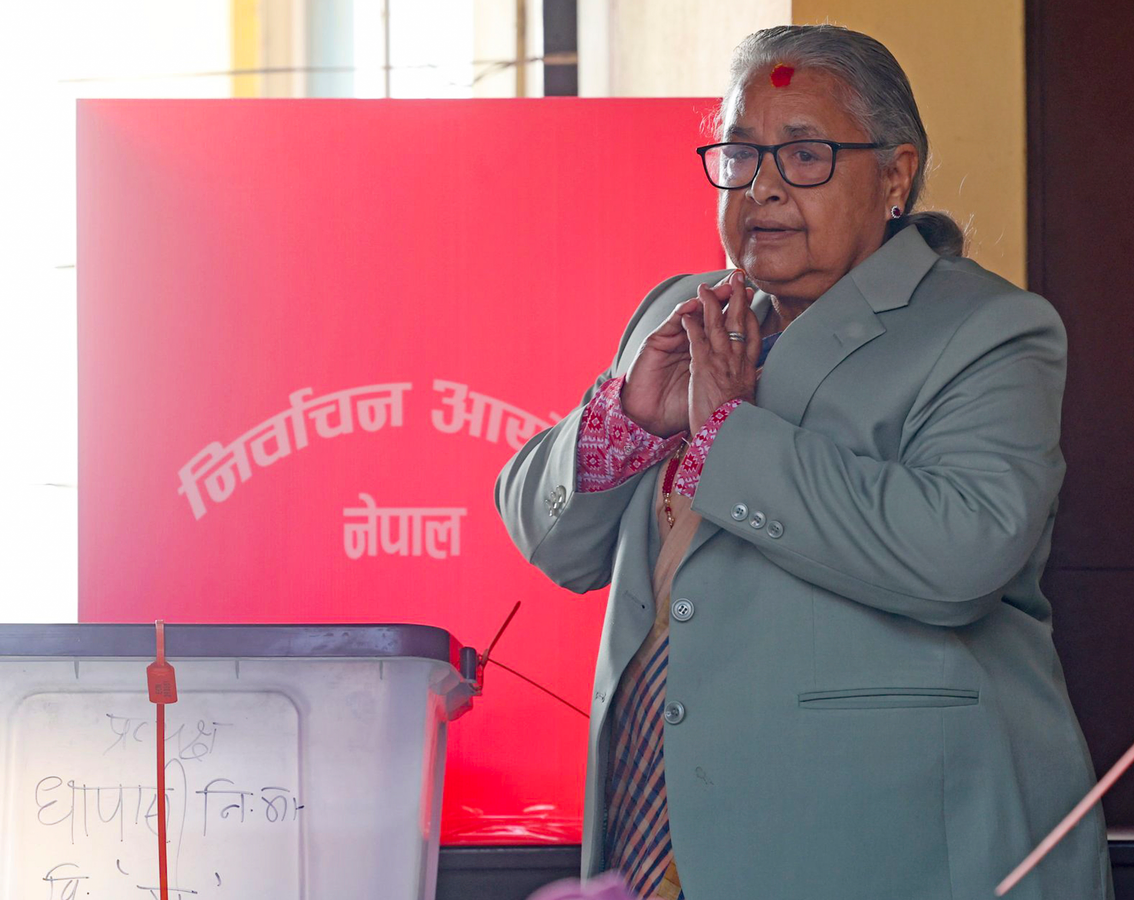
Nepal witnessed about 60 per cent voter turnout during the elections to the House of Representatives on Thursday – the country's first polls since violent Gen Z protests that toppled the K P Sharma Oli-led coalition government last year.
The RSP has won the Kathmandu 1 constituency with its candidate Ranju Darshana winning by a "significant margin," according to RSP central committee member R K Dhungana.
Ranju secured more than 10,000 votes, almost double that of the nearest rival, Prabal Thapa Chhetri of the Nepali Congress, Dhungana said.
However, the Election Commission has not yet officially announced the victory.
Former Kathmandu mayor Balendra Shah, popularly known as Balen, is leading in Jhapa 5 constituency over ousted prime minister and Communist Party of Nepal (Unified Marxist–Leninist) chair Oli.
The RSP is leading in all of the 10 constituencies in Kathmandu, according to media reports.
Vote counting started late on Thursday night and is expected to be completed by Friday night, according to the Election Commission.
The RSP, formed in 2022, has received significant support during the campaign, and Shah is considered a strong candidate for prime minister. On the other hand, the Nepali Congress and CPN (UML) were part of the government that was toppled by the Gen Z last year.
Nepali Congress president Gagan Thapa is the prime ministerial candidate of his party, whereas the CPN (UML) has projected Oli as its PM face.
Nepal's 18.9 million voters were eligible to elect 275 members of the House of Representatives. They will elect 165 HoR members through the first past the post (FPTP) or direct voting system, and 110 members through proportionate voting.
Around 3,400 candidates are vying for 165 seats under direct voting, and 3,135 candidates for 110 seats through proportionate voting.